


Description
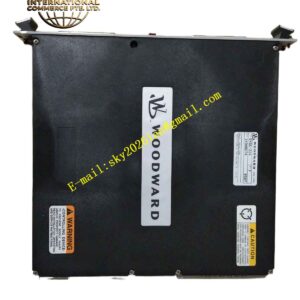
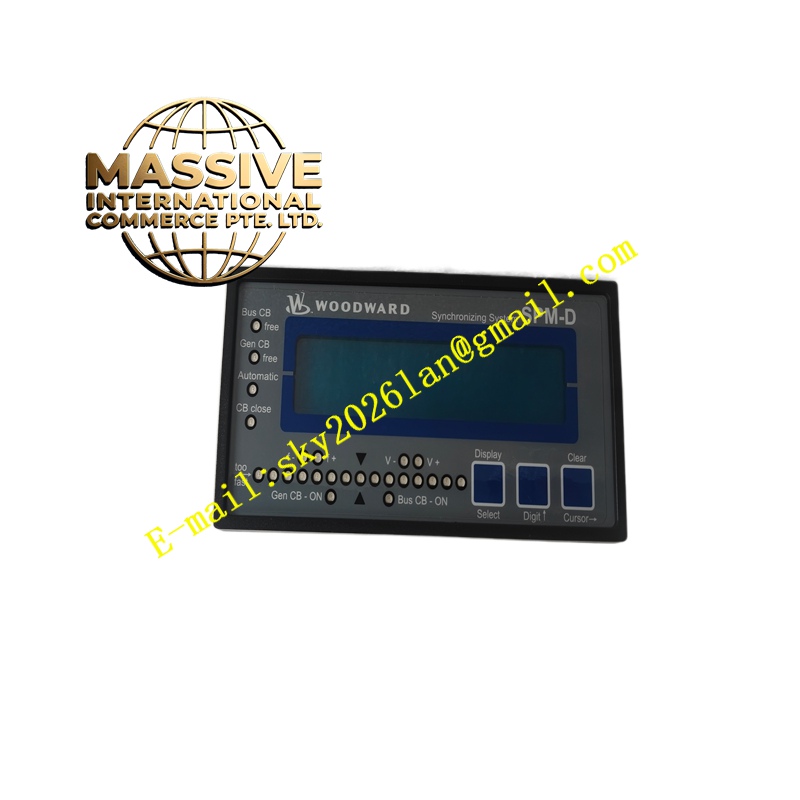
Woodward 5448-906
Technical Specifications:
- Brand: Woodward
- Model: 5448-906 SPM-D10
- Product Type: Synchronizing Protection Module
- Compatibility: Integrates with NetCon, 505E, and MicroNet platforms
Functional Features:
- Isochronous Load Sharing: Supports load sharing during the synchronization process to ensure smooth transition to parallel operation.
- Dead-Bus Closure: Capable of safely closing the breaker when energizing a dead bus from a single generator.
- Comprehensive Monitoring: Provides real-time synchroscope data and synchronization status to the operator interface.
Application Scenarios:
Deployed in combined cycle power plants, cogeneration facilities, and marine electrical systems requiring robust and automated synchronization logic.
Performance Parameters:
- Voltage Matching Tolerance: Highly precise threshold settings
- Frequency Matching Tolerance: Adjustable slip rate limits
Material Composition:
High-reliability microprocessor and analog front-end components enclosed in a durable industrial housing.
Structural Features:
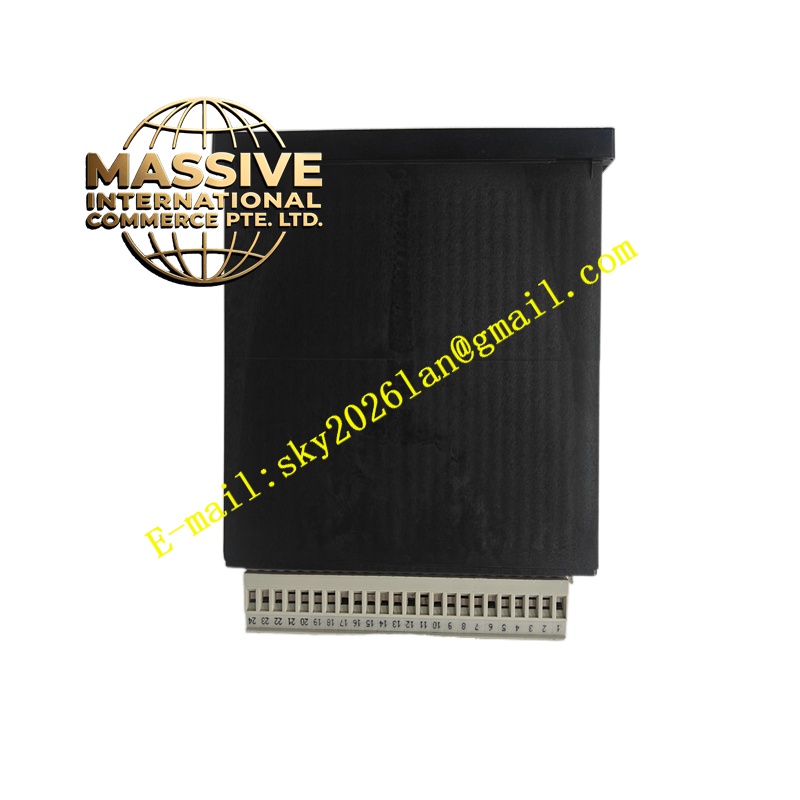
Standard modular footprint for easy retrofitting or integration into existing control panels. Includes diagnostic LEDs for rapid fault identification.
Working Principle:
Processes synchronized voltage inputs to calculate the exact timing required for breaker closure. Communicates directly with the turbine governor to adjust speed and with the excitation system to adjust voltage prior to synchronization.
Installation Requirements:
Requires clean, regulated power supply and properly shielded voltage sensing cables to prevent noise from affecting synchronization accuracy.
Usage Precautions:
Always perform a primary injection test to verify the synchronization logic before initial operation. Ensure all wiring matches the system single-line diagram exactly.