


Description
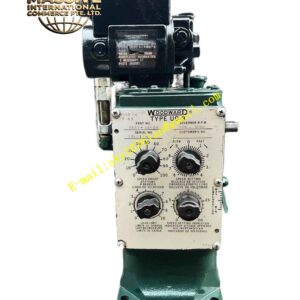
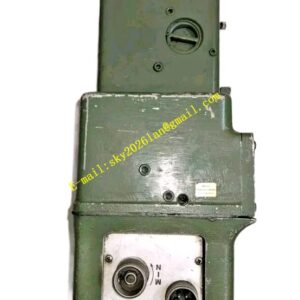
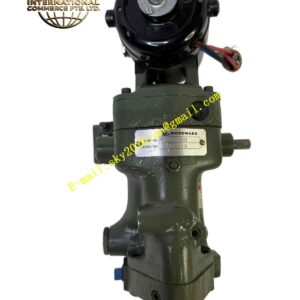
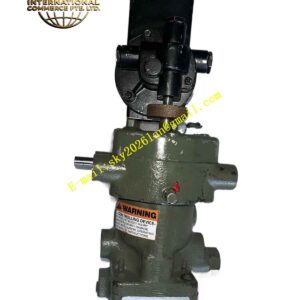
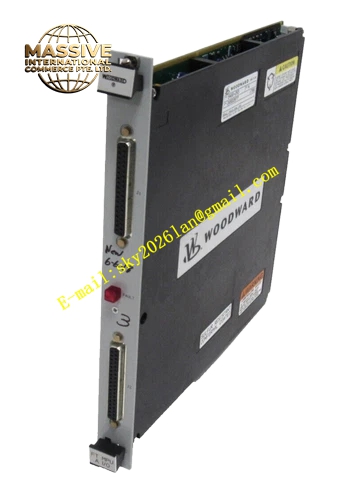
WOODWARD 5466-253
Technical Specifications:
- Brand: Woodward
- Model: 5466-253
- Product Type: Digital Turbine Controller
- Processor Speed: 50 MHz
- Memory Capacity: 53 MB
- Display: 2-line by 24-character text display
- Input Interfaces: 16 contact inputs (4 fixed, 12 programmable), 6 programmable current inputs (4-20mA)
- Output Signal: 0-10V DC
- Dimensions: Approx. 15.2 cm × 5.1 cm × 20.3 cm
- Weight: Approx. 0.7 kg
- Operating Temperature: -10°C to 60°C
Functional Features:
- Versatile I/O: Supports a wide range of digital and analog inputs for comprehensive monitoring.
- Advanced Control: Implements complex control logic such as critical speed avoidance and valve limiting.
- Communication: Equipped with RS-232 and Ethernet ports supporting Modbus protocol.
- Self-Diagnostics: Real-time monitoring of performance data and fault detection.
Application Scenarios:
- Industrial steam and gas turbine control.
- Turbo-generator and turbo-expander management.
- Oil and gas, petrochemical, and energy sectors.
Performance Parameters:
- Input Accuracy: High-precision analog-to-digital conversion.
- Response Time: Fast processing for real-time control.
Material Composition:
- Industrial electronic components.
- Ruggedized terminal blocks.
Structural Features: Compact module design with terminal blocks for field wiring and socket connectors for data transmission.
Working Principle: The controller acquires process variables, compares them to setpoints, and calculates the necessary output to drive actuators, ensuring stable turbine operation.
Installation Requirements:
- Mount on a standard DIN rail or panel.
- Ensure proper shielding for analog signal cables.
- Connect to the system ground.
Usage Notes:
- Verify the signal type (current vs. voltage) for inputs.
- Ensure the operating temperature does not exceed 60°C.
- Use the provided software for detailed configuration.