



Description
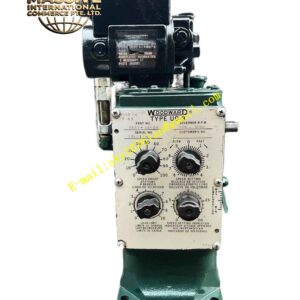
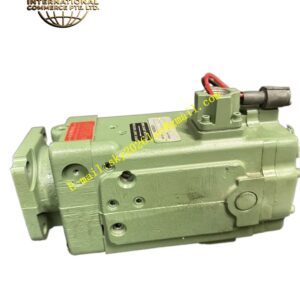
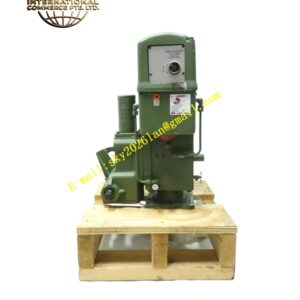
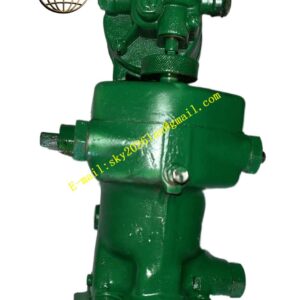
Woodward 8440-2050E
Technical Specifications
- Architecture: High-reliability digital microprocessor platform.
- I/O Interfaces: Comprehensive analog and discrete I/O for sensor integration and actuator control.
- Communication: Supports standard industrial protocols for seamless DCS/PLC integration.
- Power Supply: Regulated DC power input with transient protection.
Functional Features
- Precision Governing: Delivers tight speed control and accurate load sharing capabilities.
- Advanced Diagnostics: Continuous self-monitoring of internal circuits and field wiring.
- Programmable Logic: Flexible configuration for custom control strategies and interlocks.
- Data Logging: Non-volatile memory for storing operational data and event history.
Application Scenarios
Ideal for gas turbines, steam turbines, and mechanical drive applications in the power generation, oil and gas, and marine industries.
Performance Parameters
- Control Accuracy: High-resolution speed regulation with minimal steady-state error.
- Response Time: Fast control loop execution for excellent transient recovery.
- Reliability: Designed for continuous 24/7 operation with high MTBF.
Material Composition
Housed in a ruggedized metal enclosure with conformal-coated printed circuit boards to protect against moisture, dust, and corrosive atmospheres.
Structural Characteristics
- Form Factor: Compact module designed for standard panel mounting.
- User Interface: Local display and keypad for parameter adjustment and monitoring.
- Connectors: High-density, keyed connectors for reliable field wiring.
Working Principle
The module processes real-time feedback from speed and load sensors, comparing these values against programmed setpoints. It then calculates and outputs precise control signals to the prime mover’s actuators to maintain the desired operating point while continuously monitoring for fault conditions.
Installation Requirements
- Install in a clean, dry environment with adequate ventilation.
- Route signal cables away from high-voltage power lines to prevent EMI.
- Ensure a clean, dedicated equipment ground.
Usage Precautions
- Always verify parameter settings before placing the unit in automatic control.
- Perform regular functional tests of protection and trip circuits.
- Back up configuration data before performing firmware updates.