



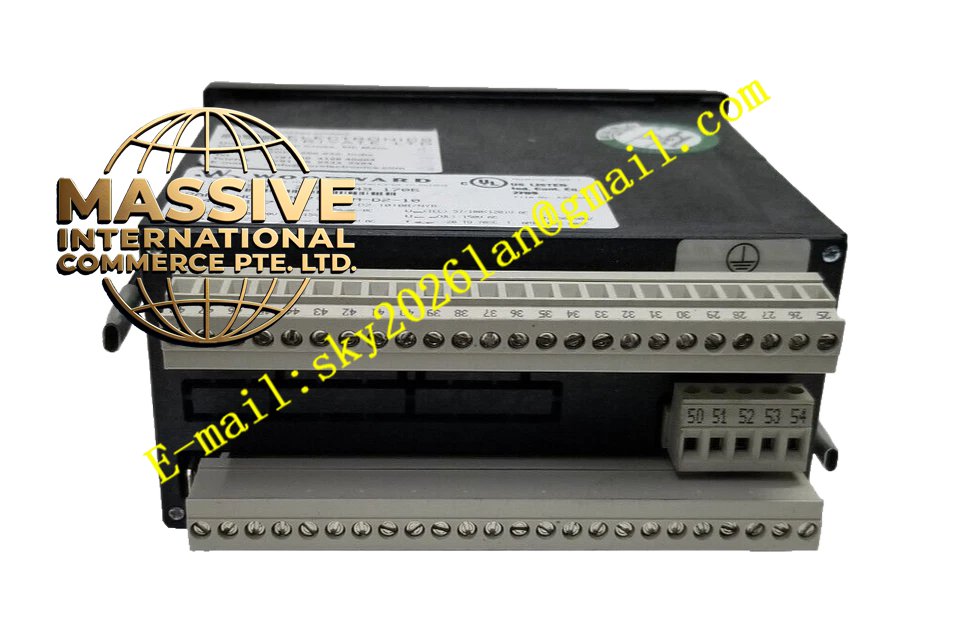
Description
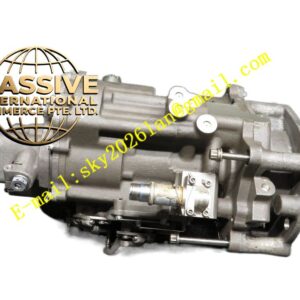
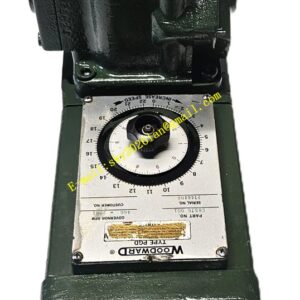
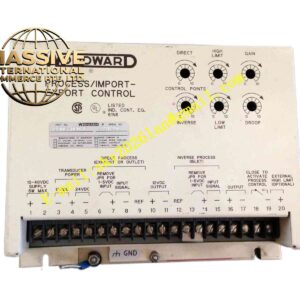
Woodward 8440-2167
Technical Specifications
- Output Type: High-voltage pulse or continuous DC excitation.
- Trigger Input: Optically isolated TTL or dry contact.
- Output Voltage: Up to 10 kV peak for ignition; adjustable DC for excitation.
- Duty Cycle: Intermittent for ignition; continuous for excitation.
- Protection: Arc detection, over-current, and over-temperature shutdown.
Functional Features
- Soft Start: Gradual ramp-up of output to prevent component stress.
- Arc Suppression: Rapid detection and quenching of output arcs to protect the transformer.
- Remote Enable: Safety interlock input to prevent accidental firing.
- Status Feedback: Isolated open-collector output indicating ready/fault status.
Application Scenarios
Essential for gas engine ignition systems and synchronous generator brushless excitation control.
Performance Parameters
- Timing Jitter: Less than 10 microseconds for precise spark timing.
- Rise Time: <5 microseconds for sharp ignition pulses.
- Efficiency: >90% power conversion efficiency.
Material Composition
High-voltage potting compound encapsulates internal magnetics for insulation and vibration resistance. Heat sinks are anodized aluminum for thermal management.
Structural Characteristics
- Safety Interlocks: Mechanical key switch or relay interlock on the front panel.
- High-Voltage Terminals: Insulated, shrouded connectors to prevent accidental contact.
- Cooling: Forced air or convection-cooled depending on power rating.
Working Principle
Upon receiving a trigger signal, the module charges an energy storage capacitor or inductor. When the threshold is reached, a solid-state switch (IGBT or SCR) discharges the energy into the primary of the ignition transformer, generating the high-voltage secondary spark.
Installation Requirements
- Maintain strict creepage and clearance distances for high-voltage outputs.
- Install in a grounded, locked enclosure accessible only to qualified personnel.
- Provide dedicated cooling airflow if continuously energized.
Usage Precautions
- Lethal Voltage Hazard: Always discharge capacitors and verify zero energy before servicing.
- Never operate with high-voltage covers removed.
- Verify ignition timing with a timing light before connecting to the engine.