


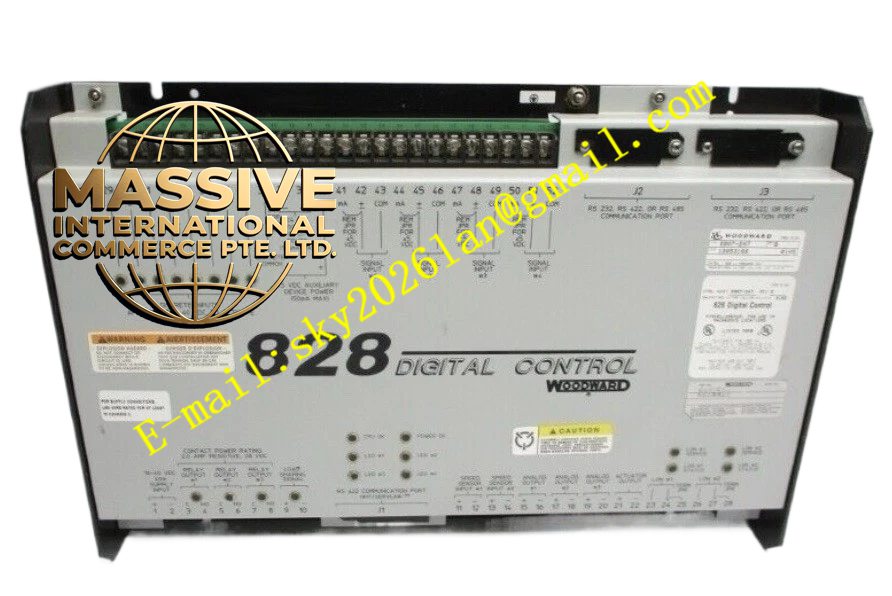
Description
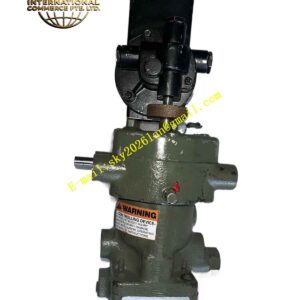
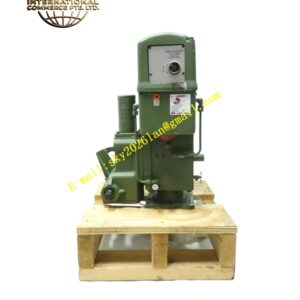
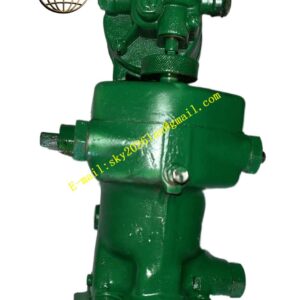
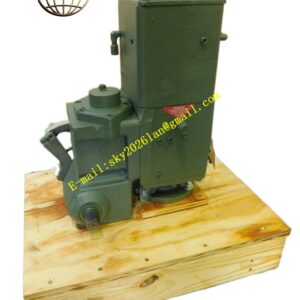
Woodward 9905-213
Technical Specifications
- Product Series: 2301A / 9905 Series Digital Governor.
- Control Modes: Isochronous (constant speed) or Droop (load-dependent speed).
- Inputs: Magnetic pickup (speed), CTs/PTs (load sensing), and discrete status inputs.
- Outputs: Actuator drive outputs and programmable relay outputs.
Functional Features
- Precision Governing: Maintains engine speed within tight tolerances under rapidly changing loads.
- Engine Protection: Monitors critical parameters (oil pressure, coolant temperature, overspeed) and initiates shutdowns when limits are exceeded.
- Programmable Logic: Allows users to customize control strategies and protection curves via front-panel menus.
- Calibration: Simplified calibration procedures for speed sensors and actuators.
Application Scenarios
Used in prime power, standby, and continuous power generation applications, including data centers, hospitals, and industrial manufacturing plants.
Performance Parameters
- Speed Regulation: Excellent transient response and steady-state accuracy.
- Scan Rate: High-speed digital processing ensures real-time response to engine dynamics.
Material Composition
Housed in a rugged, painted steel enclosure. Internal PCBs feature conformal coating to protect against moisture and corrosive gases.
Structural Characteristics
Compact, front-accessible module with an LED display and membrane keypad. All field wiring connections are made via removable terminal blocks.
Working Principle
The controller samples engine speed via a magnetic pickup and compares it to a setpoint. It calculates the required fuel adjustment and outputs a PWM signal to an electrohydraulic actuator to maintain the desired speed.
Installation Requirements
Mount in a clean, dry control panel. Route speed sensing cables away from high-voltage power lines. Ensure actuator wiring polarity is correct.
Usage Precautions
- Configure the correct control mode (Isochronous vs. Droop) before paralleling generators.
- Verify all engine protection setpoints match the engine manufacturer’s specifications.
- Perform regular functional tests of the overspeed protection circuit.