



Description
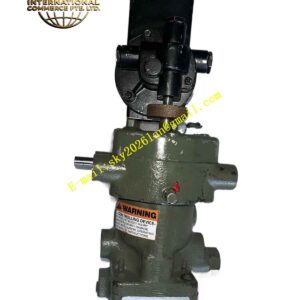
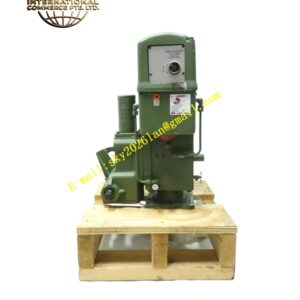
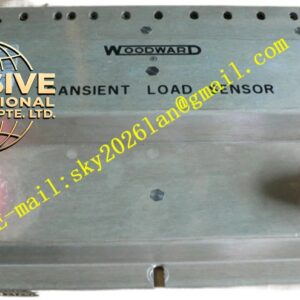
Woodward CPC8901-457
Technical Specifications
- Input Signal: 4-20 mA DC control signal.
- Output Pressure: Proportional pneumatic output (typically 3-15 psi or 0.2-1.0 bar).
- Supply Pressure: Requires clean, regulated instrument air.
- Accuracy: High precision with minimal hysteresis.
Functional Features
- Linear Conversion: Provides highly accurate and repeatable pressure output proportional to the input current.
- Vibration Resistance: Designed to maintain calibration and performance in high-vibration turbine environments.
- Fail-Safe Operation: Drives the output to a safe position (e.g., minimum pressure) upon loss of input signal or air supply.
- Low Air Consumption: Efficient pneumatic design minimizes instrument air usage.
Application Scenarios
Used in steam turbine governing systems, gas engine fuel valve control, and industrial process control applications requiring precise pneumatic actuation.
Performance Parameters
- Repeatability: Better than ±0.1% of span.
- Response Time: Fast dynamic response for excellent transient control.
- Temperature Range: Reliable operation from -40°C to +85°C.
Material Composition
Precision-machined aluminum housing with stainless steel internal valve components and high-performance elastomer seals.
Structural Characteristics
- Form Factor: Compact, ruggedized industrial design.
- Mounting: Direct mount or bracket mount options.
- Connections: NPT or metric pneumatic ports and multi-pin electrical connector.
Working Principle
The input current creates a magnetic force in a torque motor that balances against a pneumatic feedback bellows. This balance positions a precision pneumatic valve, which meters supply air to the output port until the output pressure perfectly matches the input current command.
Installation Requirements
- Install in a location protected from excessive moisture and corrosive gases.
- Ensure the instrument air supply is clean, dry, and properly filtered.
- Route the 4-20 mA signal cable using shielded twisted-pair wiring.
Usage Precautions
- Never exceed the maximum supply pressure rating.
- Perform regular calibration checks to verify linearity and repeatability.
- Monitor the output response during valve stroking tests to detect any sticking.