


Description
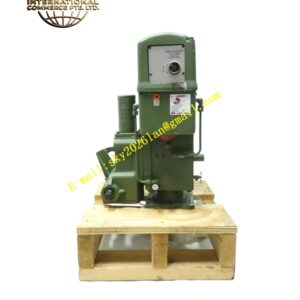
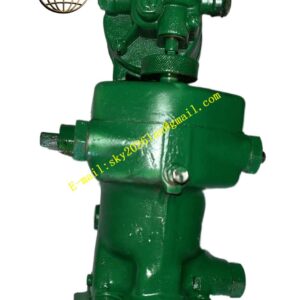
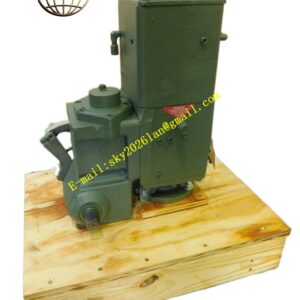
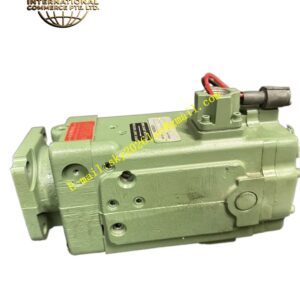
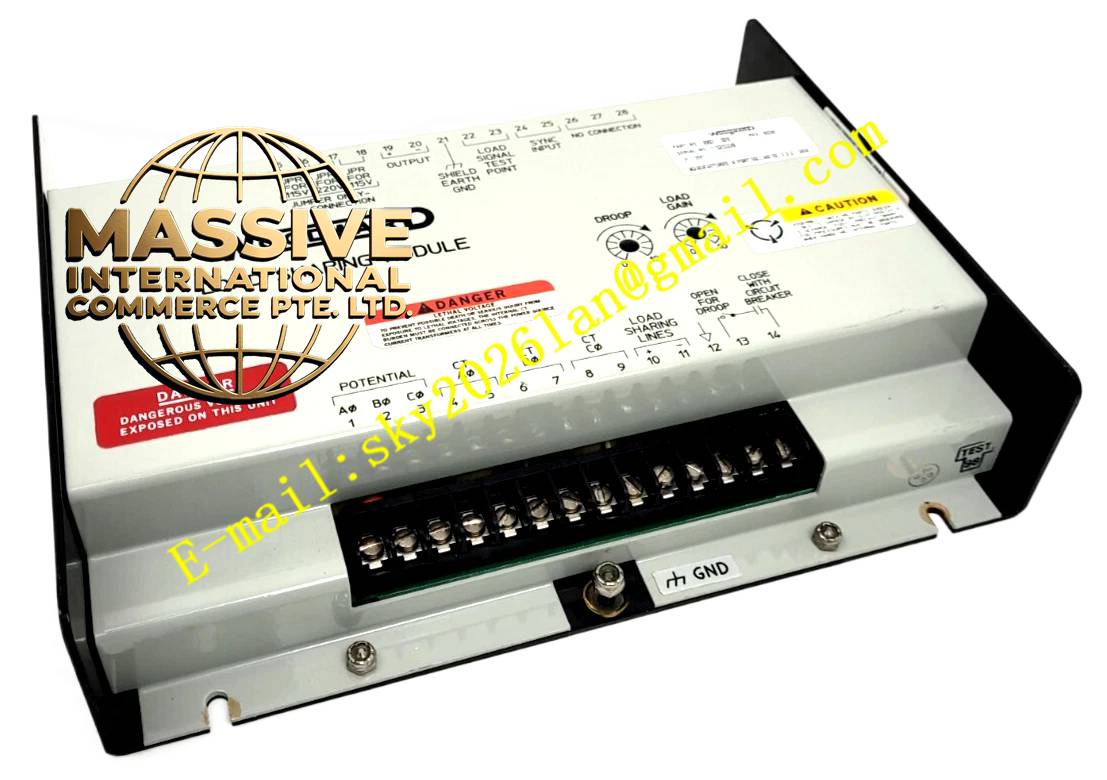
Woodward CSC3GM1
Technical Specifications
- Application: Single or parallel generator set control.
- Engine Interface: Dedicated inputs for engine sensors and fuel rack actuator.
- Generator Protection: Comprehensive ANSI protection functions (over/under voltage, over/under frequency, overcurrent).
- Communication: Modbus TCP/IP and serial for DCS integration.
Functional Features
- Automatic Synchronization: Precise phase-matching for seamless generator paralleling.
- Load Sharing: Active kW and kVAR load sharing for multiple generators.
- Engine Protection: Monitors oil pressure, coolant temperature, and overspeed.
- Data Logging: Extensive event and trend recording for operational analysis.
Application Scenarios
Ideal for prime power, standby, and peak shaving generator applications in industrial, commercial, and utility facilities.
Performance Parameters
- Speed Regulation: Isochronous or droop with high accuracy.
- Protection Response: Fast, reliable tripping for all protection functions.
- Reliability: High MTBF designed for continuous operation.
Material Composition
Ruggedized industrial electronics in a NEMA-rated enclosure with conformal-coated PCBs and vibration-resistant connectors.
Structural Characteristics
- Display: Large LCD display with backlight for local monitoring.
- Keypad: Intuitive keypad for local control and configuration.
- I/O: Extensive discrete and analog I/O for auxiliary control.
Working Principle
The CSC3GM1 continuously monitors engine and generator parameters. It controls the engine speed via the governor and the generator voltage via the AVR. During parallel operation, it adjusts the speed and voltage setpoints to share load proportionally and maintain system stability.
Installation Requirements
- Install in a clean, dry control panel with adequate ventilation.
- Route all sensor and signal cables using shielded wiring.
- Ensure proper grounding and bonding.
Usage Precautions
- Verify all protection settings before commissioning.
- Perform regular functional tests of all protection and control functions.
- Keep the controller firmware up to date.