


Description
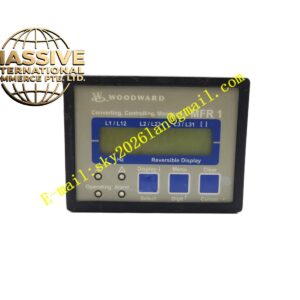
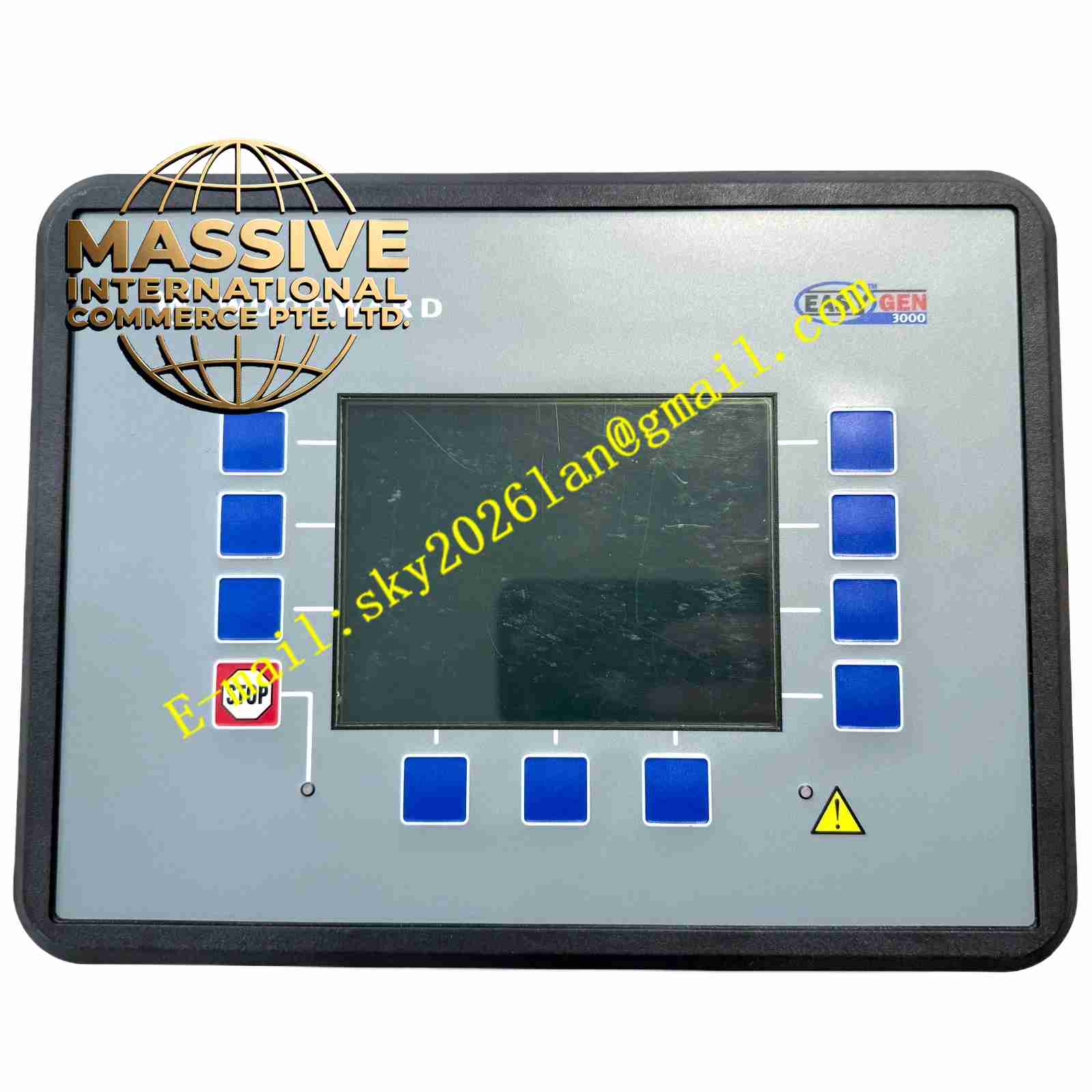
Woodward EASYGEN-3500XT8440-2085
Technical Specifications
- Part Number: 8440-2085.
- Package Type: P1 (Paralleling Focus).
- Network: Dual redundant Ethernet (Standard for P1).
- Breaker Control: Native CANopen interface for LS-5 synchronization relay modules.
- Engine Interface: SAE-J1939 CAN bus.
Functional Features
- LS-5 Integration: Seamlessly communicates with LS-5 modules to manage complex bus-tie and mains breaker synchronization.
- Redundant Communications: Dual Ethernet ports ensure uninterrupted SCADA and peer-to-peer controller communication.
- Microgrid Control: Supports islanded operation, black start, and seamless transition between grid-tied and island modes.
- Drop-in Replacement: Directly replaces legacy easYgen-3000 series controllers.
Application Scenarios
Specifically designed for large-scale multi-generator plants, segmented distribution systems with multiple utility feeds, and critical infrastructure requiring N+1 or N+2 redundancy.
Performance Parameters
- I/O Configuration: 3 Analog Inputs, 2 Analog Outputs, 12 Relay Outputs.
- Operating Temperature: -20°C to +70°C.
- Measurement Accuracy: High-precision true RMS for voltage, current, and power.
Material Composition
Industrial-grade die-cast and polymer housing with internal EMI shielding and conformal-coated PCBs.
Structural Characteristics
- Form Factor: Standard panel-mount cutout.
- Connectors: High-density, locking terminal blocks for secure field wiring.
- User Interface: Tactile membrane keypad with backlit color display.
Working Principle
Operates as the master or peer node in a paralleling network, utilizing the LS-5 CANopen link to coordinate breaker closures across multiple bus segments while managing individual engine and generator parameters.
Installation Requirements
Requires a dedicated CANopen network for LS-5 communication. Ensure the redundant Ethernet cables are routed on separate physical paths to prevent single-point-of-failure.
Precautions for Use
Do not substitute with P2 variants (8440-2086) without verifying hardware I/O compatibility. Always back up configuration parameters before replacing legacy units.