



Description
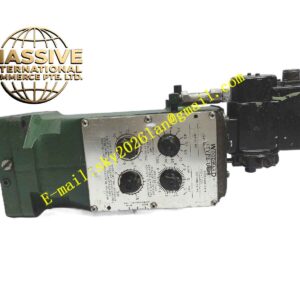
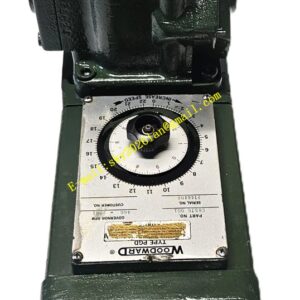
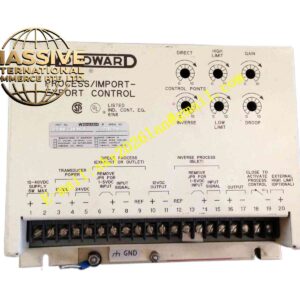
WOODWARD SPM-D11 8440-1706B
Technical Specifications Brand: Woodward Model: SPM-D11, PN 8440-1706B Measurement Input: Generator voltage, busbar voltage Power Supply: 24 VDC or 110/220 VAC optional supply Communication: Serial communication interface for parameter access Operating Temperature: -40°C to +70°C Humidity: 5% to 95% non-condensing Mounting: Panel mounting Protection Grade: IP20 front panel
Functional Features Measures generator and bus voltage magnitude, frequency and phase difference continuously. Automatic synchronization function closes generator breaker when phase, voltage and frequency match grid condition. Protective functions prevent breaker closing out of synchronization. Front panel display shows real-time voltage, frequency and phase angle values. Relay outputs for breaker close command and fault alarm signals. Parameter configuration via front panel keypad or serial communication. Records event log for synchronization events and fault occurrences.
Application Scenarios Diesel generator set control, gas turbine generator panel, backup power station paralleling system, marine generator synchronizing control, distributed power generation plant.
Performance Parameters High precision measurement of voltage, frequency and phase difference. Fast detection of out-of-phase condition to block breaker closing. Stable measurement under power system transient disturbance. Accurate event timestamp for synchronization and fault records. Wide operating temperature range for outdoor generator control cabinets.
Material Composition Front Panel: Reinforced plastic with LCD display and membrane keypad. Main PCB: FR4 multilayer printed circuit board with conformal coating. Core Components: Voltage sampling circuits, microprocessor, relay output devices, surge suppression components. Rear Terminals: Screw clamp copper terminals for voltage and relay wiring. Housing: Metal sheet enclosure for internal circuit shielding.
Structural Features Panel mount rectangular enclosure for cutout installation into control cabinet door. Front panel integrated LCD screen and membrane operation keys. Rear side equipped with screw terminal blocks for voltage sensing and relay wiring. Metal internal housing provides electromagnetic shielding for measurement circuits. Mounting clips secure module into cabinet panel cutout.
Working Principle Voltage transformers feed generator voltage and busbar voltage signals into module sampling terminals. The onboard microprocessor calculates voltage difference, frequency difference and phase angle difference between generator and grid. When all synchronization parameters fall within preset allowable range, the module activates relay output to send breaker close command. If parameters exceed limit, interlock protection circuit blocks closing command and triggers fault alarm. All measurement data and event records are stored in internal memory.
Installation Requirements Install module into standard cabinet panel cutout and fasten mounting clips. Connect voltage sensing wiring from generator and bus potential transformers. Wire relay output terminals to generator breaker control circuit. Set synchronization threshold parameters according to generator specification. Use shielded twisted pair cable for voltage signal wiring. Verify voltage phase connection before commissioning.
Usage Notes Isolate high voltage potential transformer secondary circuit before wiring work. Do not apply voltage exceeding rated input range to measurement terminals. Calibrate voltage and frequency measurement after installation. Check event log after each synchronization operation. Protect module from surge voltage on voltage sensing loops.