


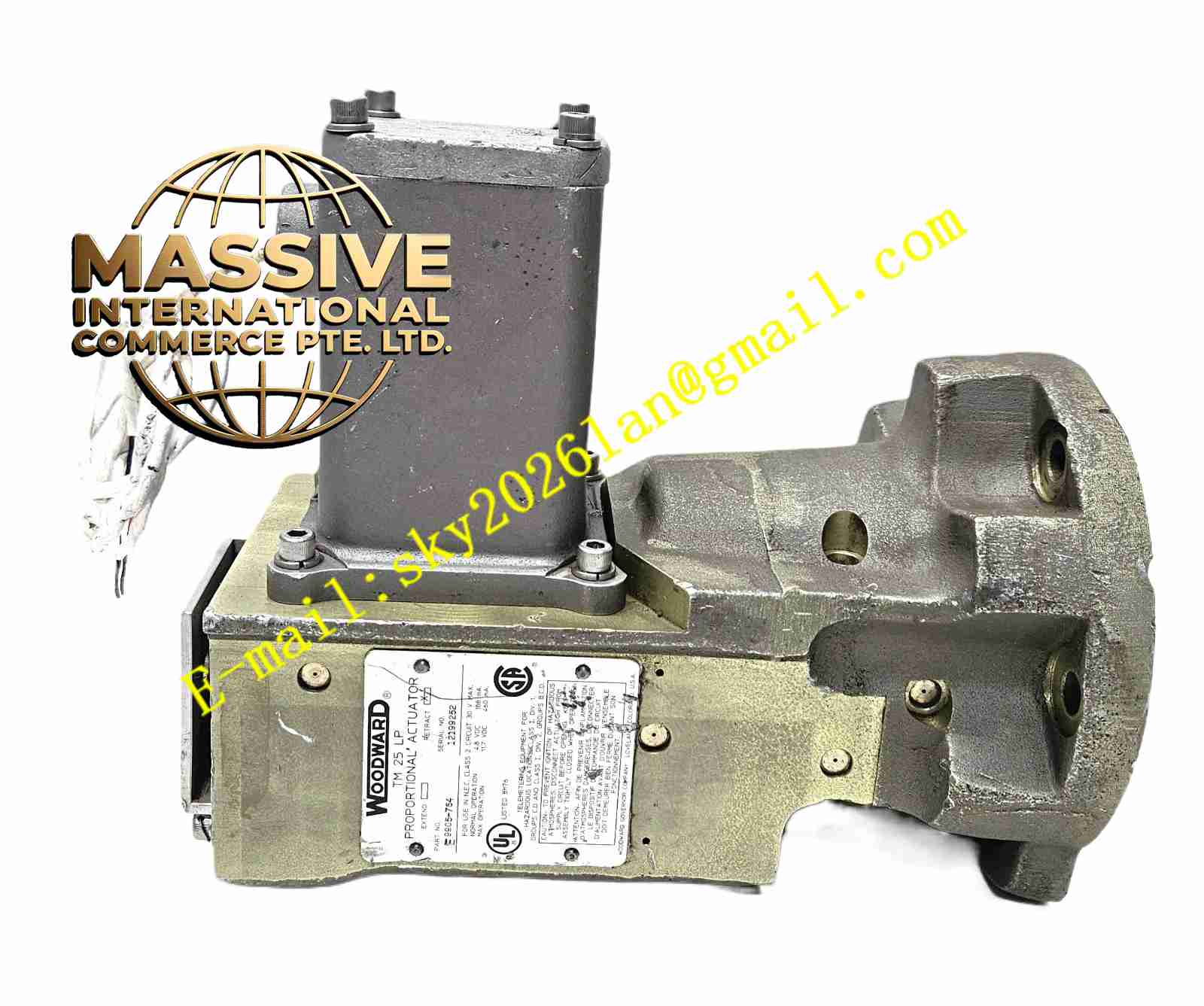
Description
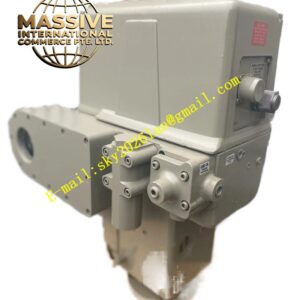
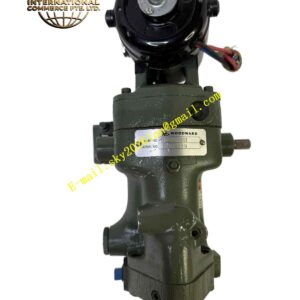
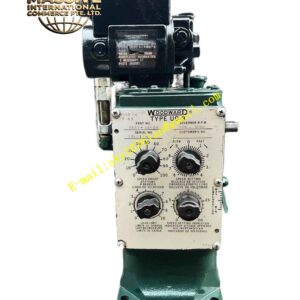
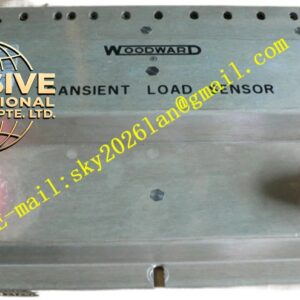
Woodward TM25LP
Technical Specifications
- Platform: Microprocessor-based control system
- Functions: Speed control, temperature control, startup sequencing, and safety protection
- I/O Capacity: Extensive digital and analog input/output channels for turbine instrumentation
Functional Features
- Comprehensive Control: Manages all phases of turbine operation from startup to shutdown.
- Integrated Protection: Includes overspeed protection, vibration monitoring, and temperature limit safeguards.
- Diagnostics & Monitoring: Real-time data logging and system health monitoring for predictive maintenance.
- Network Connectivity: Supports industrial communication protocols for integration with plant DCS/SCADA systems.
Application Scenarios
Ideal for industrial gas turbines, steam turbines, and combined-cycle power generation units requiring reliable, automated control and safety management.
Performance Parameters
- Processing Speed: High-speed real-time processing for critical safety functions.
- Reliability: High Mean Time Between Failures (MTBF) with redundant critical components.
Material Composition
Housed in a robust, NEMA-rated industrial enclosure with conformal-coated printed circuit boards for protection against moisture, dust, and electromagnetic interference.
Structural Characteristics
- Modular Design: Expandable I/O and communication modules.
- User Interface: Front-panel display and keypad for local operation and diagnostics.
Working Principle
Continuously samples turbine parameters (speed, temperature, pressure) via analog and digital inputs. Executes programmed control algorithms to adjust fuel valves, steam valves, and guide vanes, while simultaneously monitoring for unsafe conditions that require automatic shutdown.
Installation Requirements
Install in a climate-controlled control room or NEMA-rated enclosure. Ensure proper grounding and use shielded cables for all analog sensor inputs to prevent noise interference.
Precautions for Use
Strictly adhere to Woodward safety guidelines for turbine control systems. Regularly test safety protection functions during scheduled maintenance outages to ensure reliable operation.