


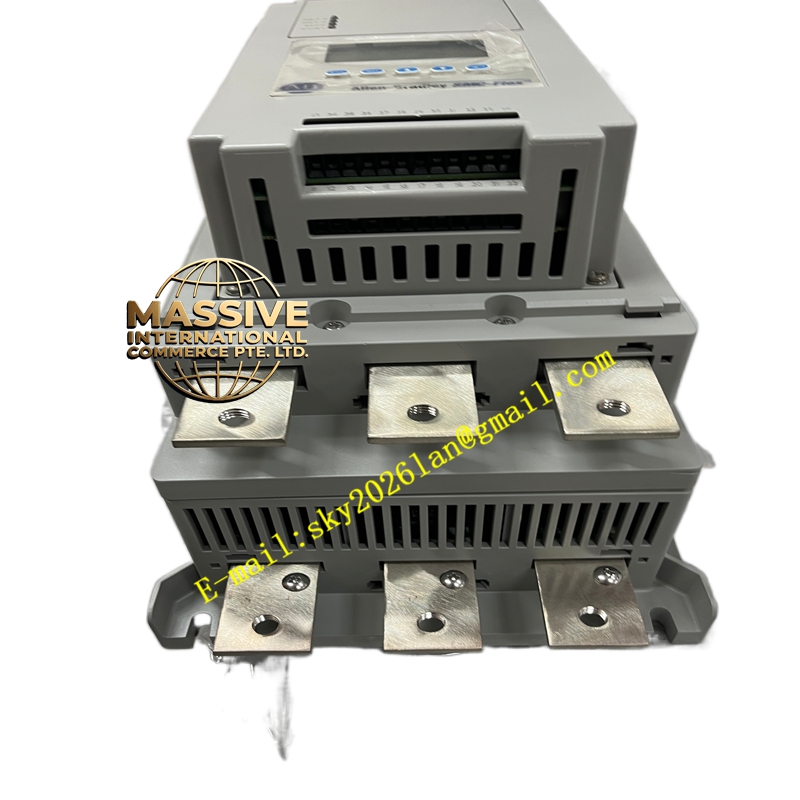
Description
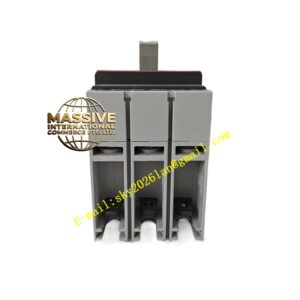
ABB 150-F135NBR
Technical Specifications:
- Frame Size: 150 Frame.
- Rated Current: 135A.
- Poles: 3-Pole configuration.
- Breaking Capacity: High short-circuit breaking capacity suitable for industrial distribution.
- Trip Unit: Thermal-Magnetic protection.
Functional Features:
- Dual Protection: Combines thermal protection against overloads and magnetic protection against short circuits.
- Compact Design: Space-saving footprint ideal for densely packed switchboards.
- Safety: Touch-safe terminal design prevents accidental contact with live parts.
- Reliability: Precision-calibrated trip mechanisms ensure accurate and consistent protection.
Application Scenarios:
- Main feeder protection in industrial distribution panels.
- Branch circuit protection for heavy machinery and motors.
- Commercial building power distribution.
- Infrastructure and utility substations.
Performance Parameters:
- Trip Characteristics: Standard inverse-time thermal curve and instantaneous magnetic trip.
- Mechanical Endurance: High number of manual make/break operations.
- Electrical Endurance: Rated for multiple short-circuit interruptions without replacement.
Material Composition & Structural Characteristics:
- Enclosure: High-strength, glass-polyester thermoplastic housing providing excellent arc containment.
- Contacts: Silver-tungsten alloy contacts for superior conductivity and arc resistance.
- Mechanism: Precision-machined steel toggle mechanism for rapid contact opening.
- Terminals: Copper alloy line and load terminals with high corrosion resistance.
Working Principle:
Under normal conditions, the breaker’s contacts remain closed, allowing current to flow. During an overload, a bimetallic strip heats up and bends, mechanically unlatching the breaker. During a short circuit, the high current generates a strong magnetic field in a solenoid, which instantly pulls an armature to trip the mechanism. The arc generated during opening is directed into the arc chute, where it is cooled and extinguished.
Installation Requirements:
- Mounting: Can be mounted vertically or horizontally without derating.
- Torque: Apply exact torque specifications to line and load lugs to ensure low-resistance connections.
- Clearances: Maintain required phase-to-phase and phase-to-ground clearances as per electrical codes.
- Testing: Perform primary injection testing after installation to verify trip settings.
Usage Precautions:
- Sizing: Ensure the breaker rating matches the cable ampacity and load requirements.
- Resetting: Investigate the root cause of a trip before resetting the breaker; never force it closed.
- Maintenance: Exercise the breaker mechanism annually to prevent mechanical sticking.
- Replacement: Replace the entire unit if it has interrupted a major short-circuit fault near its maximum rating.