


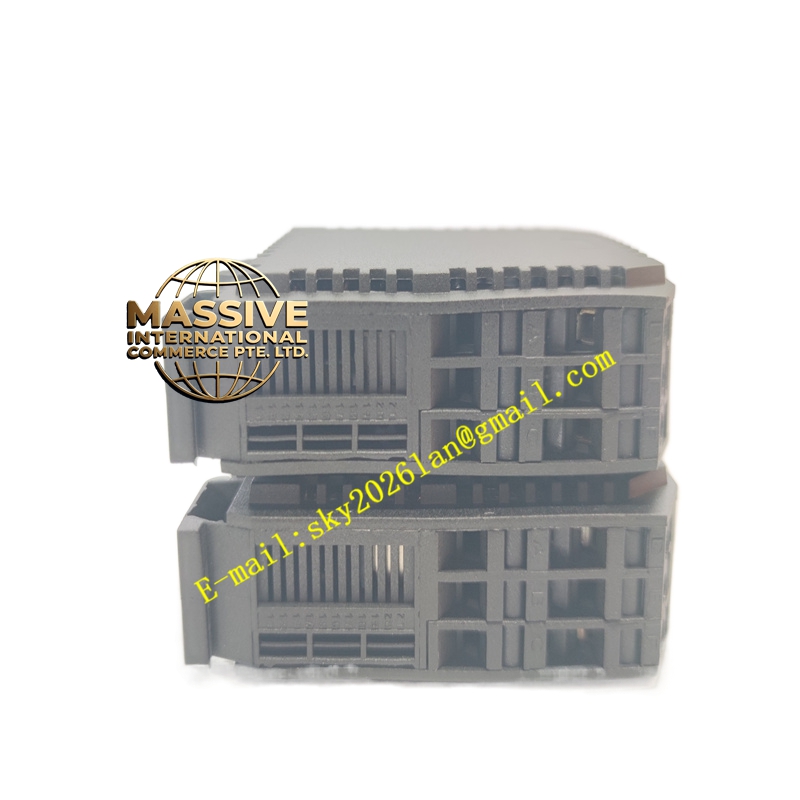
Description
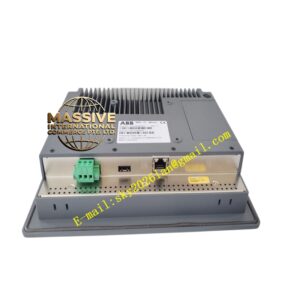
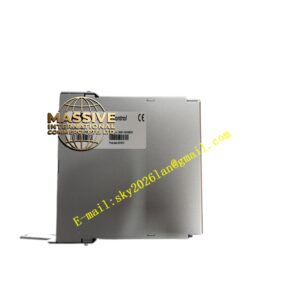
ABB 1SVR360563R1001
Technical Specifications:
- Channel Count: Multi-channel interface configuration.
- Input/Output Isolation: Galvanic isolation between input, output, and supply circuits.
- Switching Capacity: Optimized for low-level signal switching and intermediate relay loads.
- Response Time: Fast switching speeds suitable for high-speed automation.
Functional Features:
- Level Shifting: Converts 24V PLC signals to 110V/230V field signals and vice versa.
- Surge Protection: Integrated transient suppression to protect control systems.
- Pluggable Design: Allows for rapid module replacement without rewiring the panel.
- Wiring Status: Integrated test points and status LEDs for rapid commissioning.
Application Scenarios:
- Interfacing legacy field devices with modern PLC systems.
- Signal isolation in noisy industrial environments.
- Distributed I/O expansion and signal replication.
Material Composition & Structural Characteristics:
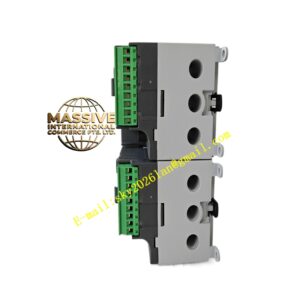
- Base Module: High-quality DIN rail mountable base with push-in or screw terminals.
- Relay Insert: Pluggable miniature relay with high-cycle contacts.
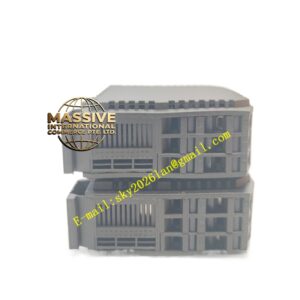
- Housing: Modular, stackable design for space-efficient panel layouts.
Working Principle:
The input circuit receives a control signal and energizes an internal isolation relay or optocoupler. This triggers the output circuit, which switches the secondary voltage to the load. The galvanic isolation ensures that any voltage spike on the output side is completely blocked from reaching the input side.
Installation Requirements:
- Base Mounting: Snap the base module onto the DIN rail before inserting the relay insert.
- Wiring: Connect field wires to the base module and control wires to the relay insert.
- Labeling: Clearly label each channel to match the PLC I/O map.
Usage Precautions:
- Polarity: Observe polarity markings on DC input/output terminals.
- Insert Removal: Always use the designated extraction tool to remove relay inserts to prevent damage.
- Spare Parts: Keep spare relay inserts on hand for quick maintenance during faults.