


Description
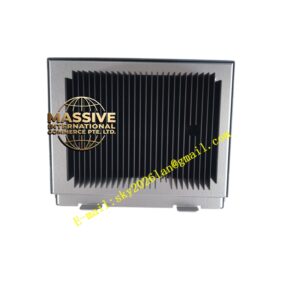
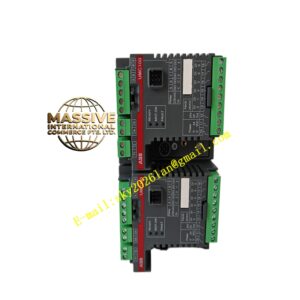
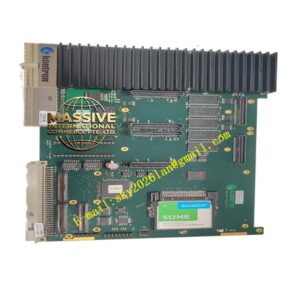
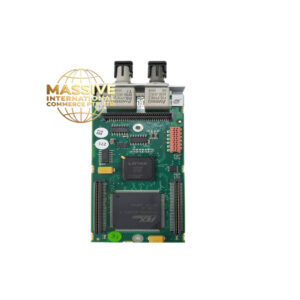
ABB COMMANDER 310
-
Technical Specifications:
-
Inputs: Universal — Thermocouple Types J/K/T/E/S/R/B/N, RTD (Pt100), 0–20 mA / 4–20 mA, 0–10 V, ±100 mV
-
Input Accuracy: ±0.1 % of span
-
Control Algorithm: Auto-tuning PID, On/Off, Heat/Cool, Motorized Valve (3-position)
-
Control Outputs: Configurable — 2 × Relay SPDT (5 A @ 250 V AC), 1 × Analog 0/4–20 mA (max load 750 Ω), 1 × Logic/SSR drive (12 V DC)
-
Auxiliary Output: Retransmission of PV/SP (0/4–20 mA)
-
Digital Inputs: 2 × configurable (remote SP, run/hold, alarm acknowledge)
-
Ramp/Soak: Up to 9 programs / 30 segments
-
Display: Dual 4-digit, 7-segment LED + bar graph, backlit
-
Communications: RS-485 Modbus RTU
-
Power Supply: 100–240 V AC or 24 V DC (model dependent)
-
Enclosure Rating: IP66 / NEMA 4X (front), IP20 (cable entry)
-
Operating Temp.: –10 °C to +55 °C
-
Cable Entry: Two M20 / ½″ NPT glands underside
-
-
Functional Features:
-
Self-tuning and fuzzy-logic enhanced PID
-
Local setpoint adjustment or remote SP via digital input / Modbus
-
Programmable alarms (deviation, band, sensor break)
-
Ramp/Soak profiling for batch heating/curing processes
-
Password protection, multi-level configuration access
-
-
Application Scenarios:
-
Heat-treatment ovens, kilns, and furnaces (temperature PID)
-
Chemical reactor jacket temperature control
-
Plastics extrusion barrel zone temperature
-
Food & beverage pasteurizer / retort temperature loops
-
Environmental test chambers
-
-
Material & Structure:
-
Housing: Glass-filled polycarbonate, UV-stable, gray or black
-
Gasket: Silicone or EPDM (NEMA 4X rated)
-
Display window: Polycarbonate lens with anti-glare coating
-
Internal PCB: Conformal-coated for humidity resistance
-
-
Working Principle:The controller continuously samples the process variable (PV) from the universal input, compares it with the setpoint (SP), and computes the control error. The PID algorithm generates an output signal which is applied to the configured actuator (relay, SSR, analog current to control valve or thyristor). Autotune excites the loop with a step change to determine process gain, lag, and dead time for optimal PID tuning.
-
Installation Requirements:
-
Mount on flat surface with four screws or use pipe-mount bracket (optional)
-
Tighten cable glands to IP66 specification; use shielded cable for analog signals
-
Connect input sensor observing polarity for RTD (3/4-wire) and TC (compensating cable)
-
Ensure supply voltage matches nameplate before energizing
-
-
Precautions:
-
Do NOT open cover while energized — hazardous voltage present
-
Verify thermocouple polarity — reversed TC gives incorrect PV
-
For RTD, use 3-wire or 4-wire connection for best accuracy; mismatch wire resistance degrades reading
-
Sensor break detection activates alarm — confirm sensor integrity before commissioning
-