


Description
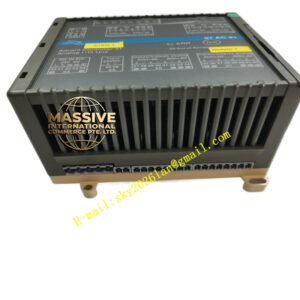
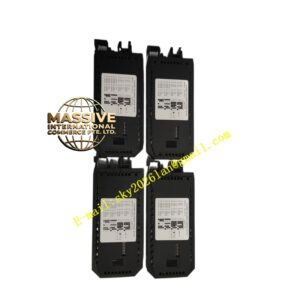
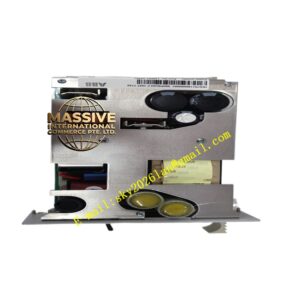
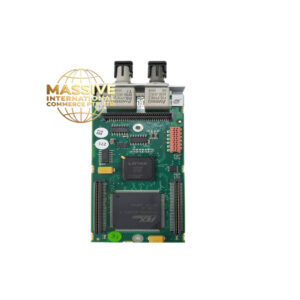
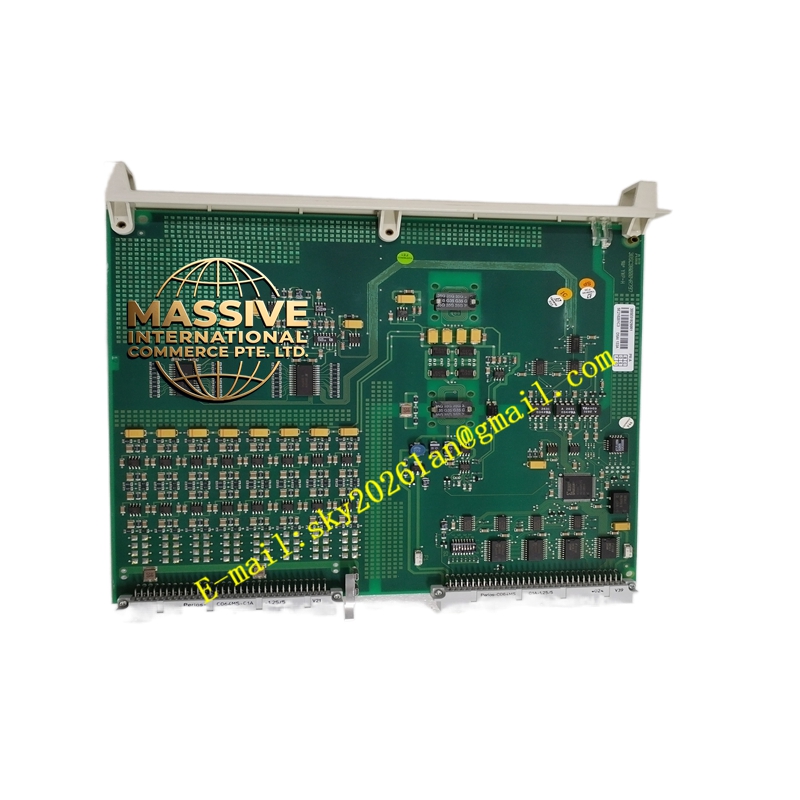
ABB DSAI133A
Technical Specifications:
- Signal Types: Supports standard industrial analog signals, including 0-10V and 4-20mA.
- Resolution: Features a high-precision 16-bit Analog-to-Digital Converter (ADC).
- Sampling Rate: Achieves a total sampling rate of up to 100 kHz for dynamic process capture.
- Isolation: Provides complete galvanic isolation between field inputs and the internal system bus.
- Communication Interface: Compatible with industrial standard fieldbus protocols like PROFINET and EtherNet/IP.
Functional Features:
- High-Accuracy Acquisition: Ensures precise measurement of critical process variables such as temperature, pressure, flow, and level.
- Advanced Signal Processing: Utilizes digital signal processing (DSP) to filter noise and enhance measurement stability.
- System Protection: Built-in isolation protects the central controller from field voltage spikes and ground potential differences.
- Flexible Configuration: Software-configurable input ranges and diagnostic parameters for tailored application needs.
Application Scenarios:
- Continuous process control in chemical, petrochemical, and pharmaceutical plants.
- Power generation monitoring (boiler pressure, turbine temperature).
- Water and wastewater treatment facility automation.
- High-speed machine control and robotic automation systems.
Performance Parameters:
- ADC Resolution: 16-bit.
- Sampling Frequency: Up to 100 kHz.
- Input Impedance: High impedance to prevent loading of field transmitters.
- Anti-Interference: Strong immunity to industrial electromagnetic noise.
Material Composition & Structural Characteristics:
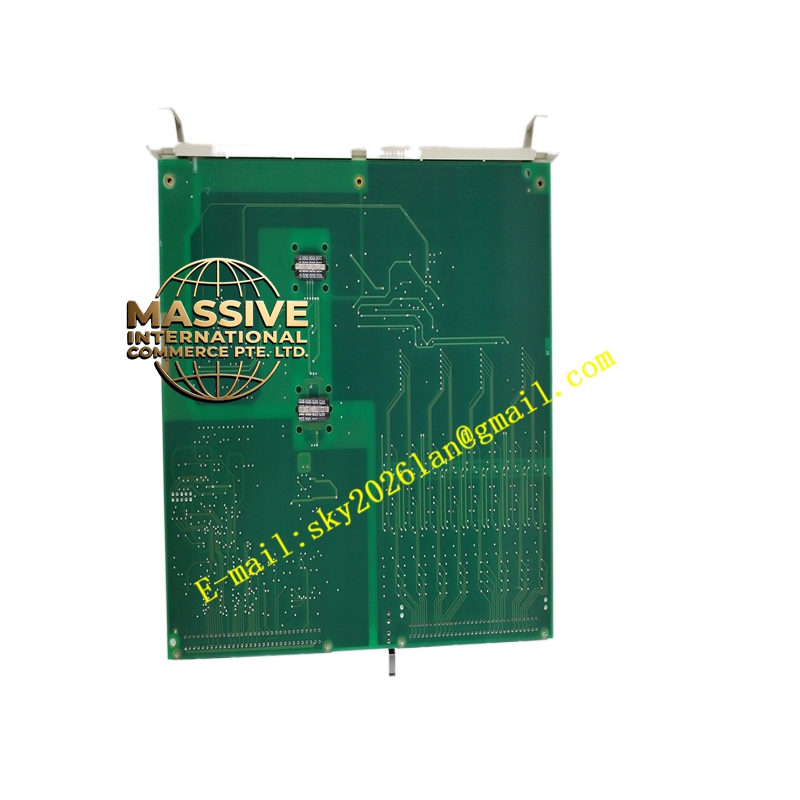
- PCB Assembly: Multi-layer board with precision analog front-end components and low-drift resistors.
- Enclosure: Ruggedized industrial housing providing protection against dust and mechanical stress.
- Connectors: Standardized industrial connectors for seamless integration with field wiring and backplanes.
- Status Indicators: Front-panel LEDs for power, channel status, and fault diagnostics.
Working Principle:
Field analog signals are routed to the module’s input terminals, where they pass through protection circuits and signal conditioning amplifiers. The conditioned signals are then digitized by the 16-bit ADC at high speed. The onboard processor applies scaling, filtering, and linearization algorithms before packaging the data for transmission over the fieldbus to the master controller.
Installation Requirements:
- Wiring: Use shielded, twisted-pair cables for all analog signal connections to prevent noise pickup.
- Grounding: Connect cable shields at the module end only to avoid ground loops.
- Separation: Route analog signal cables separately from high-voltage power and motor cables.
- Configuration: Configure the input type (voltage or current) and scaling parameters in the control software before commissioning.
Usage Precautions:
- Signal Limits: Never apply voltages or currents exceeding the specified input range to prevent permanent damage.
- Calibration: Perform periodic calibration checks using precision signal generators to maintain measurement accuracy.
- Diagnostics: Monitor the module’s diagnostic status via the controller to detect open wires, short circuits, or out-of-range conditions.
- ESD Safety: Always observe ESD precautions when handling or replacing the module.