


Description
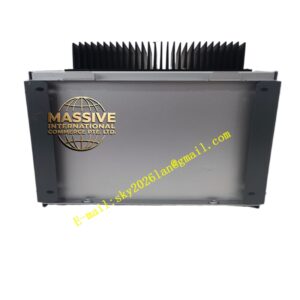
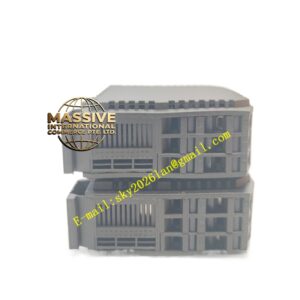
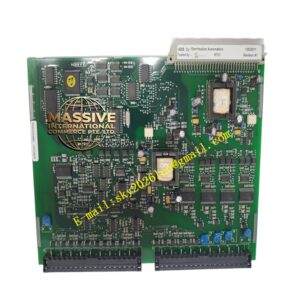
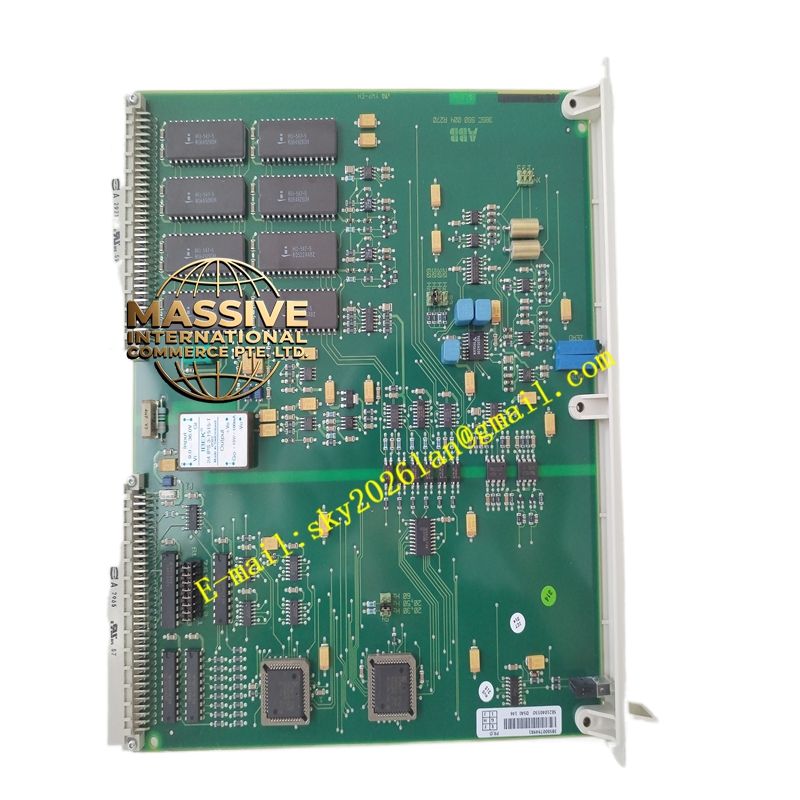
ABB DSAI146
Technical Specifications:
- Channel Density: Multiple independent analog input channels per module.
- Input Compatibility: Supports standard voltage and current loop signals.
- Resolution: High-resolution ADC for precise process representation.
- Isolation: Channel-to-channel and channel-to-bus galvanic isolation.
- Update Rate: Fast cyclic update rate for real-time closed-loop control.
Functional Features:
- Multi-Variable Monitoring: Simultaneously acquires data from multiple sensors, reducing cabinet space and wiring complexity.
- Signal Conditioning: Internal filtering and amplification to ensure clean, accurate data.
- Diagnostic Capabilities: Detects wire breaks, short circuits, and sensor failures.
- Hot-Swap Support: Allows for module replacement without powering down the system (subject to system configuration).
Application Scenarios:
- Distributed I/O architectures in large-scale manufacturing.
- Environmental monitoring systems (temperature, humidity, gas detection).
- Batch processing and recipe management systems.
- HVAC and building automation systems.
Performance Parameters:
- Accuracy: High-precision measurement with minimal temperature drift.
- Response Time: Millisecond-level response for dynamic processes.
- Common Mode Rejection: Excellent rejection of industrial noise and interference.
Material Composition & Structural Characteristics:
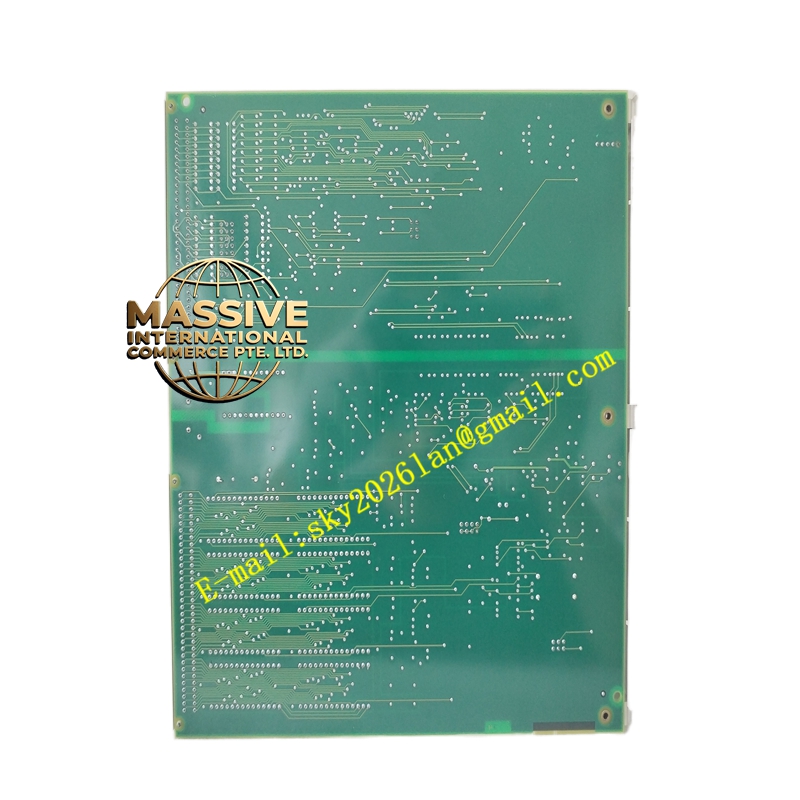
- Construction: Industrial-grade PCB with conformal coating for harsh environment protection.
- Terminals: Removable terminal blocks for fast and reliable field wiring.
- Form Factor: Compact modular design for high-density I/O installations.
- Labeling: Clear, permanent labeling for channel identification and wiring reference.
Working Principle:
The module continuously scans its input channels, converting analog signals to digital values. The onboard microcontroller processes the data, applies engineering unit scaling, and checks for diagnostic faults. Validated data is then mapped to the controller’s memory via the high-speed backplane bus, enabling real-time process visualization and control logic execution.
Installation Requirements:
- Slot Assignment: Install the module in a compatible I/O slot and verify the slot address configuration.
- Wiring: Follow standard industrial wiring practices for analog signals, ensuring proper shielding.
- Power: Ensure the backplane power supply has sufficient capacity for the module and connected field devices.
- Software Setup: Define the channel parameters, signal types, and alarm limits in the engineering software.
Usage Precautions:
- Load Matching: Verify that the module’s input impedance matches the connected transmitter’s output specifications.
- Noise Mitigation: Keep analog wiring as short as practical and avoid routing near variable frequency drives (VFDs).
- Maintenance: Inspect terminal connections periodically for tightness and signs of corrosion.
- Replacement: Use only identical or fully compatible replacement modules to maintain system integrity.