


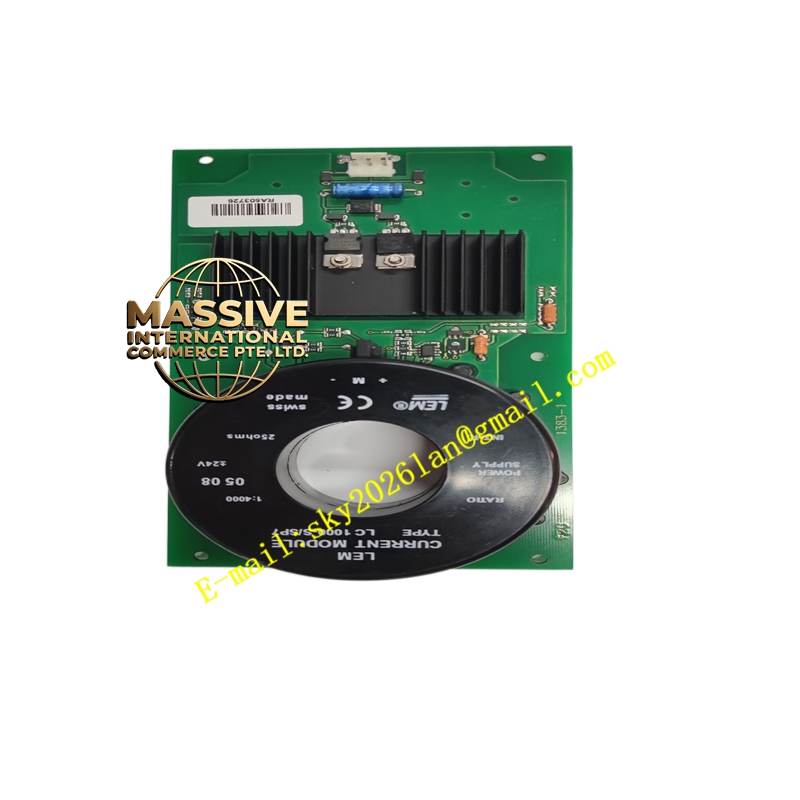
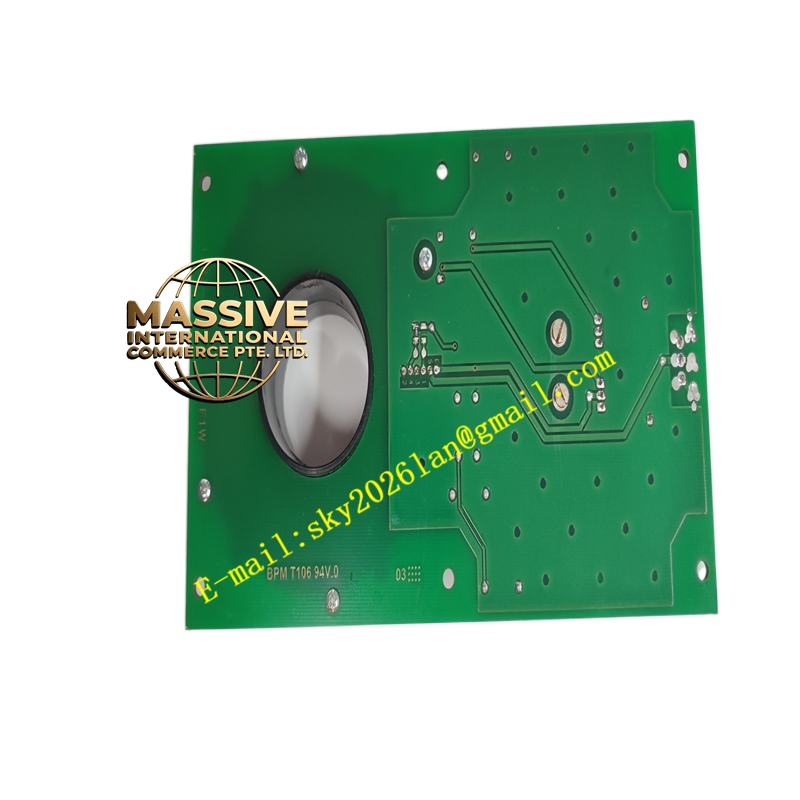
Description
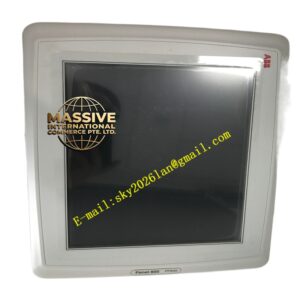
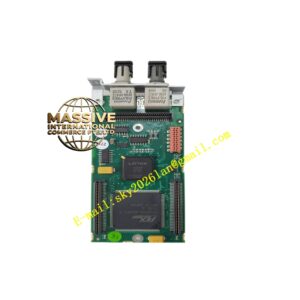
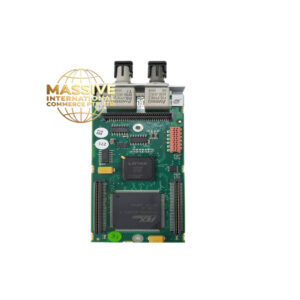
ABB LC1000-SSP7
Technical Specifications:
- Ports: Multiple isolated RS-232/RS-485 serial ports.
- Protocols: Supports Modbus RTU, ASCII, and proprietary ABB protocols.
- Baud Rates: Configurable up to 115.2 Kbps.
- Isolation: Full galvanic isolation on all serial ports.
Functional Features:
- Protocol Conversion: Translates between ABB internal protocols and standard serial protocols.
- Multi-Drop Support: Acts as a Modbus master or slave on daisy-chained networks.
- Data Mapping: Configurable data mapping tables for efficient register exchange.
- Diagnostics: Port-level error counting and status LEDs.
Application Scenarios:
- Integrating barcode scanners, HMIs, and third-party PLCs.
- Connecting legacy serial instruments to modern ABB controllers.
- Remote data acquisition via serial modems.
Performance Parameters:
- Throughput: High-speed serial processing with minimal controller overhead.
- Buffer Size: Large internal buffers to prevent data loss during peak traffic.
- Noise Immunity: Robust isolation and filtering for noisy industrial environments.
Material Composition & Structural Characteristics:
- PCB: Multi-layer board with integrated isolation transformers.
- Connectors: DB9 or terminal block serial connectors.
- Enclosure: Standard industrial module form factor.
Working Principle:
The processor receives data from the ABB controller, formats it according to the selected serial protocol, and transmits it. Incoming serial data is parsed, validated, and mapped to the controller’s memory space. The isolation barriers prevent ground loops and protect against voltage surges.
Installation Requirements:
- Termination: Install termination resistors at both ends of RS-485 networks.
- Cabling: Use shielded twisted-pair cable for all serial connections.
- Configuration: Set baud rate, parity, and stop bits to match connected devices.
Usage Precautions:
- Grounding: Ground the cable shield at one end only to prevent ground loops.
- Wiring: Verify pinouts before connecting to prevent damage to serial ports.
- Diagnostics: Use loopback tests to verify port functionality during commissioning.