


Description
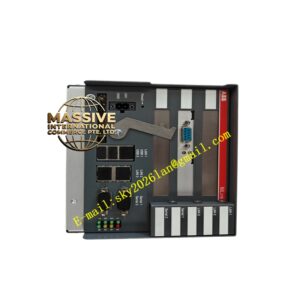
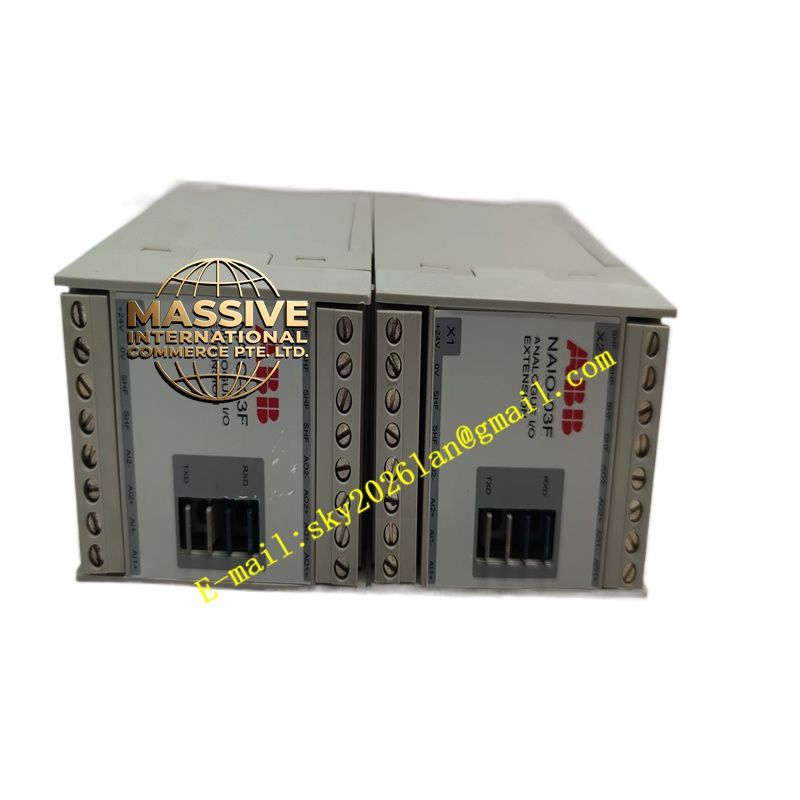
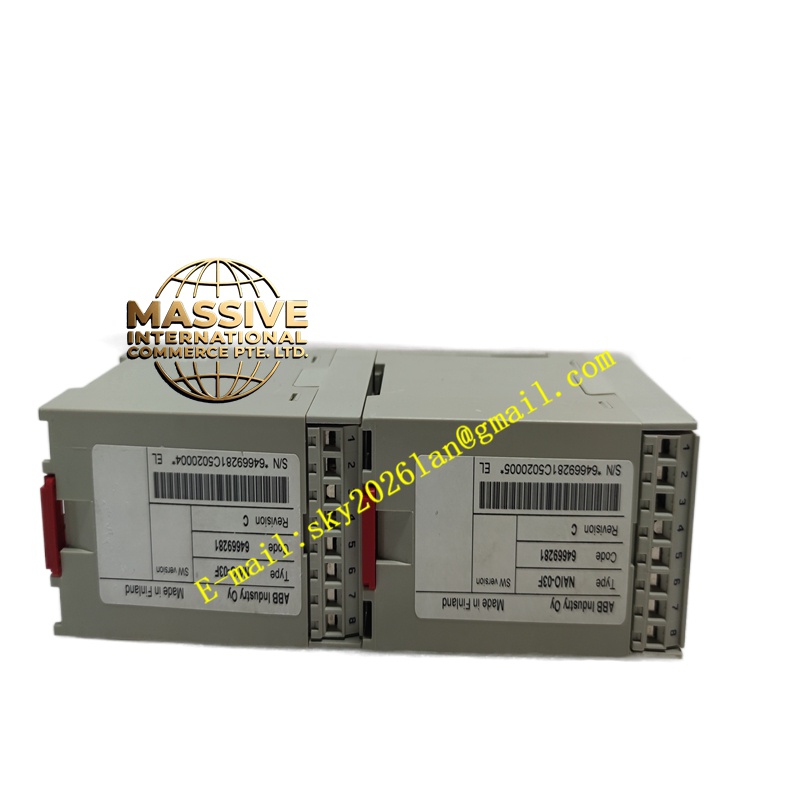
ABB NAIO-03F
Technical Specifications:
- Channel Configuration: Provides multiple high-precision analog input and output channels.
- Signal Types: Fully supports voltage (0-10V, ±10V) and current (0-20mA, 4-20mA) signals.
- Resolution: Features up to 14-bit or 16-bit A/D and D/A conversion accuracy.
Functional Features:
- High-Precision Acquisition: Extremely low temperature drift and noise ensure accurate measurement of process variables.
- Channel Isolation: Each channel features electrical isolation, effectively preventing ground loop interference and cross-channel crosstalk.
- Flexible Configuration: Supports independent setting of signal types and ranges via hardware DIP switches or software.
Application Scenarios:
Ideal for chemical reactor temperature/pressure control, water treatment plant level/flow monitoring, and closed-loop regulation in precision manufacturing equipment.
Performance Parameters:
- Conversion Cycle: Millisecond-level refresh rate, meeting fast process control requirements.
- Accuracy Error: Maintained within ±0.1% of the full scale.
Material Composition:
Housed in a flame-retardant plastic enclosure with internal low-noise operational amplifiers and high-precision reference voltage sources.
Structural Features:
Supports standard DIN rail or dedicated base mounting. Features spring-cage or screw-type wiring terminals with clear channel labeling and status indicator lights.
Working Principle:
Converts field 4-20mA or 0-10V signals into digital quantities via a high-precision ADC for transmission to the PLC over the bus. Simultaneously, it receives digital control words from the PLC and converts them into smooth analog signals via a DAC to drive control valves or variable frequency drives.
Installation Requirements:
Analog signal cables must utilize shielded twisted pairs, with the shield grounded at a single point on the module side. The module should be installed away from strong interference sources like variable frequency drives.
Usage Precautions:
Always verify that the current/voltage jumpers or DIP switch settings are correct before wiring. For two-wire transmitters requiring 24V loop power from the module, ensure the total load current does not exceed the module’s power supply capacity.