


Description
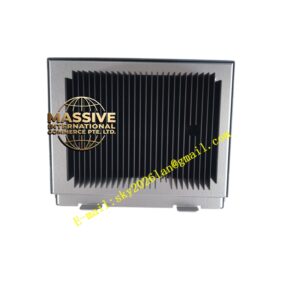
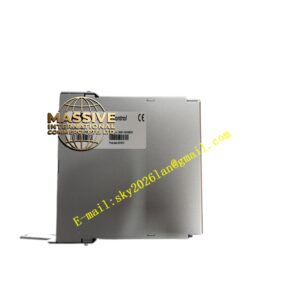
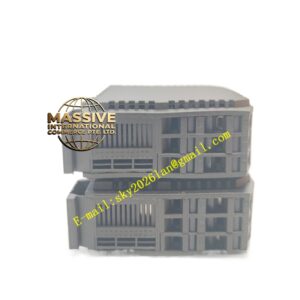
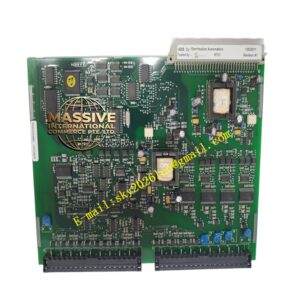
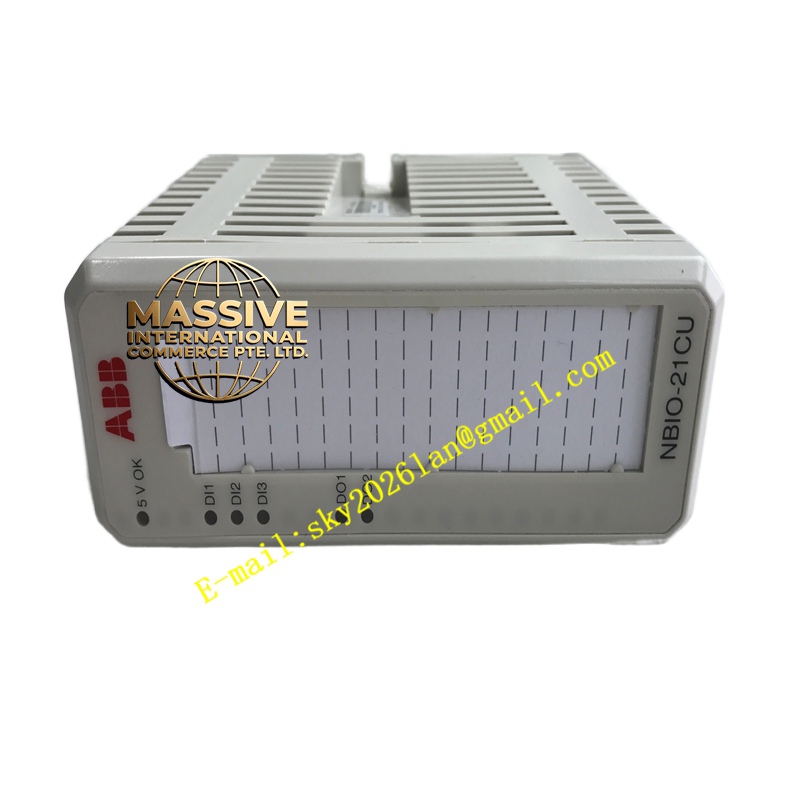
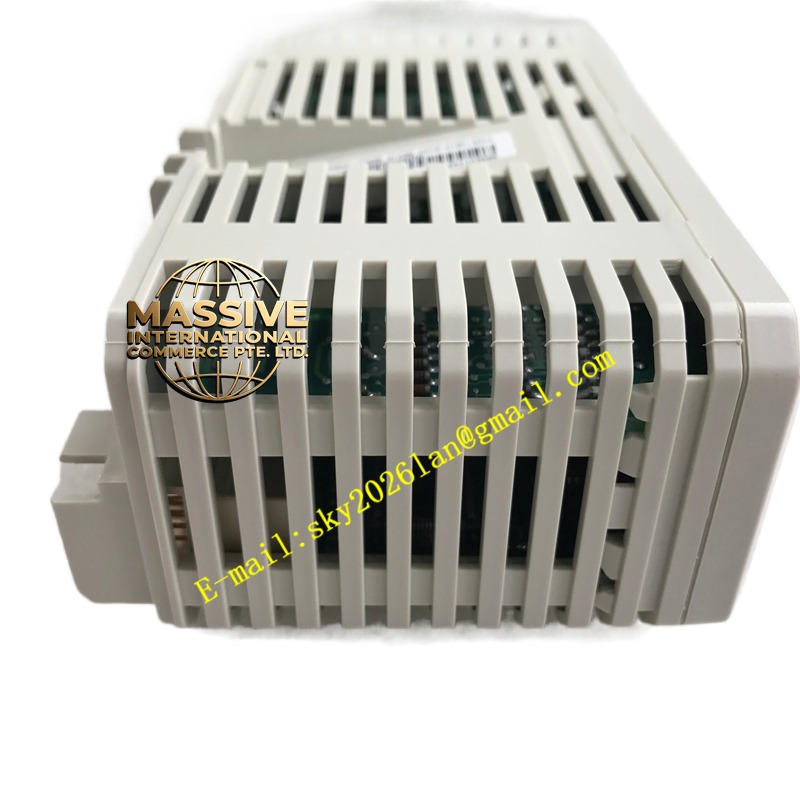
ABB NBIO-21C
Technical Specifications:
- Channel Density: High-density digital channels (e.g., 16 inputs/16 outputs or similar configurations).
- Operating Voltage: Standard 24 V DC control voltage.
- Response Time: Millisecond-level switching response.
Functional Features:
- High Anti-Interference Inputs: Features opto-isolation and hardware filtering to prevent false triggering caused by contact bounce and electrical noise.
- Safe Outputs: Output channels are equipped with short-circuit and overload protection, automatically cutting off output upon fault detection.
- Visual Status Indication: Every channel has a high-brightness LED indicator for rapid on-site troubleshooting.
Application Scenarios:
Used for motor start/stop control, valve position feedback, safety interlock circuits, and logic control in packaging machinery.
Performance Parameters:
- Isolation Withstand Voltage: High-voltage isolation between input/output channels and the system bus.
- Mechanical Lifespan: Engineered to withstand high-frequency switching operations.
Material Composition:
Industrial-grade flame-retardant housing with internally selected relays or solid-state switches to ensure extended operational life.
Structural Features:
Compact design with a backplane bus connector supporting hot-swapping (system dependent). The front panel features channel status indicators and wiring terminals.
Working Principle:
The input side converts field 24V switching signals into internal logic levels via optocouplers for CPU reading. The output side is controlled by CPU logic to turn on internal transistors or relays, outputting 24V power to external loads.
Installation Requirements:
Install on a standard I/O base or DIN rail. Power lines and signal lines must be routed in separate compartments, avoiding parallel runs.
Usage Precautions:
When driving inductive loads (e.g., contactor coils, solenoid valves), a freewheeling diode or RC snubber circuit must be connected in parallel across the load. Always confirm the system is in a safe state before replacing the module.