


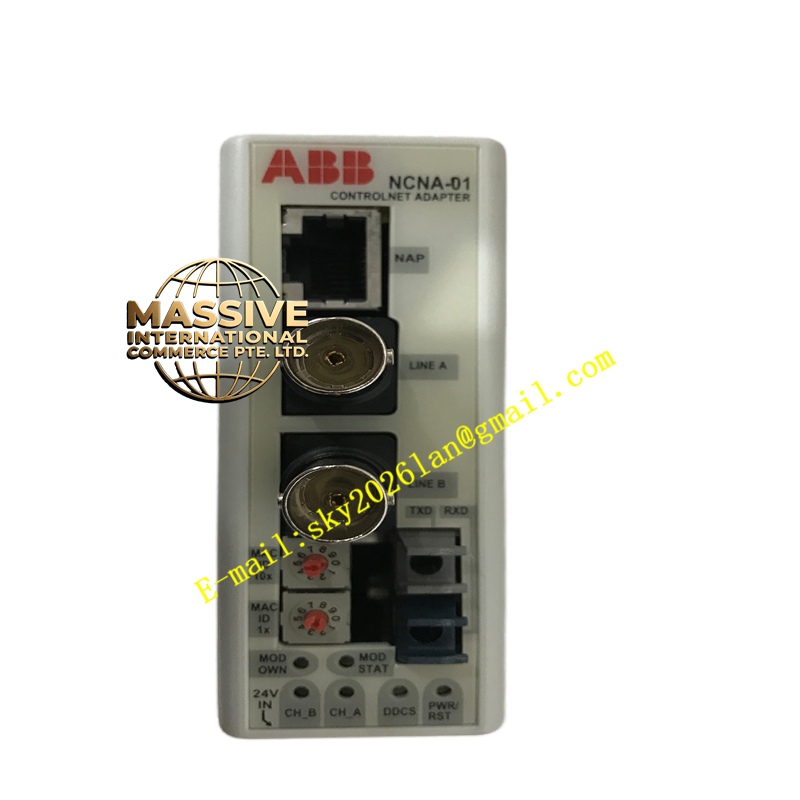
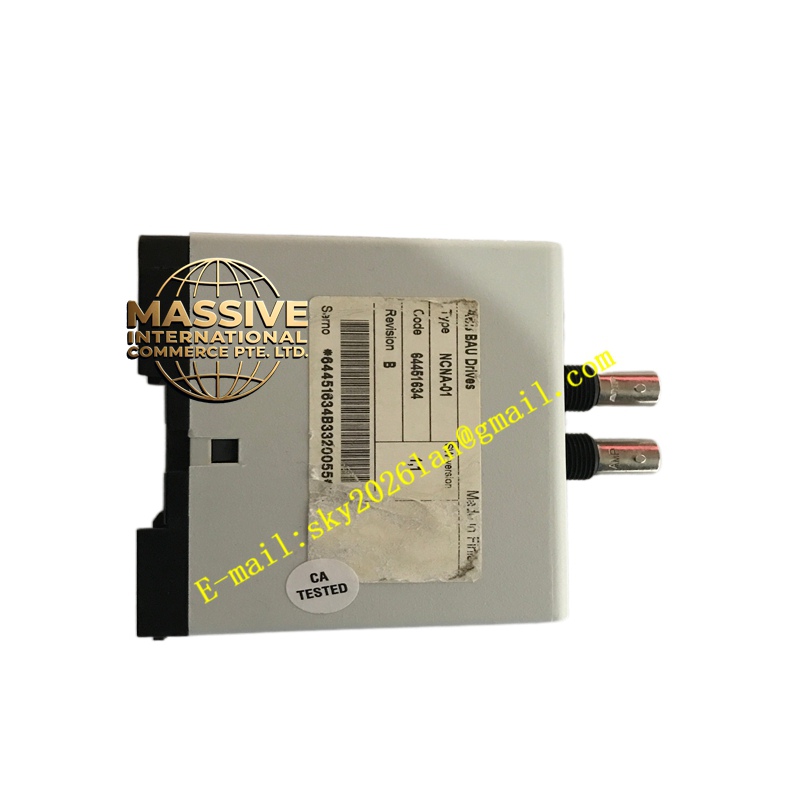
Description
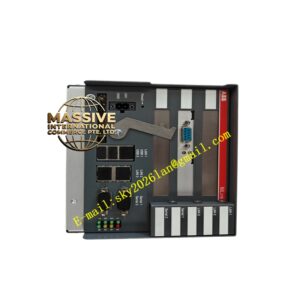
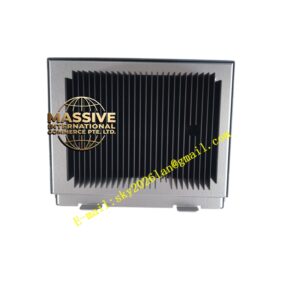
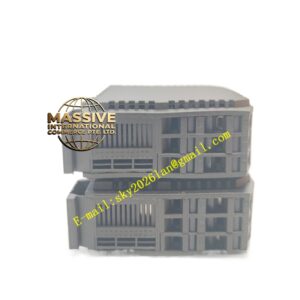
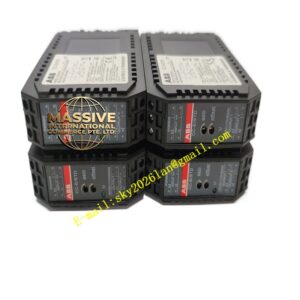
ABB NCNA-01
Technical Specifications:
- Communication Protocols: Supports Profibus DP, PROFINET, EtherNet/IP, or Modbus TCP (depending on suffix or DIP switch settings).
- Interface Type: Standard industrial Ethernet ports or fieldbus interfaces.
- Baud Rate: Adaptive or up to 12 Mbps (protocol dependent).
Functional Features:
- Plug-and-Play: Provides standardized parameter mapping to simplify PLC-side configuration.
- High-Speed Refresh: Supports millisecond-level data exchange cycles, meeting real-time control demands.
- Rich Diagnostics: Supports uploading detailed drive fault codes and operational status via the bus.
Application Scenarios:
Automated production line integration, distributed drive control, and data acquisition for energy management systems.
Performance Parameters:
- Network Topology: Supports star, ring, or bus network architectures.
- Node Capacity: Supports multi-device mounting with powerful data throughput capabilities.
Material Composition:
Industrial-grade anti-interference design with opto-isolation and lightning protection circuits at the interface.
Structural Features:
Compact plug-in module installed directly in the communication expansion slot of the drive control unit. Features Link, Activity, and Fault status indicator lights on the panel.
Working Principle:
Acting as a protocol converter, it packages the drive’s internal control words and status words into data frames compliant with specific industrial bus standards, exchanging periodic data with the master station over the physical network.
Installation Requirements:
Power must be disconnected before installation. Network cables must be shielded, with the shield reliably grounded at both ends (or single-ended). Correct node addresses and termination resistors must be configured.
Usage Precautions:
Communication parameters must be re-downloaded or verified after module replacement. In high-interference environments, fiber optic communication or network isolators are recommended.