


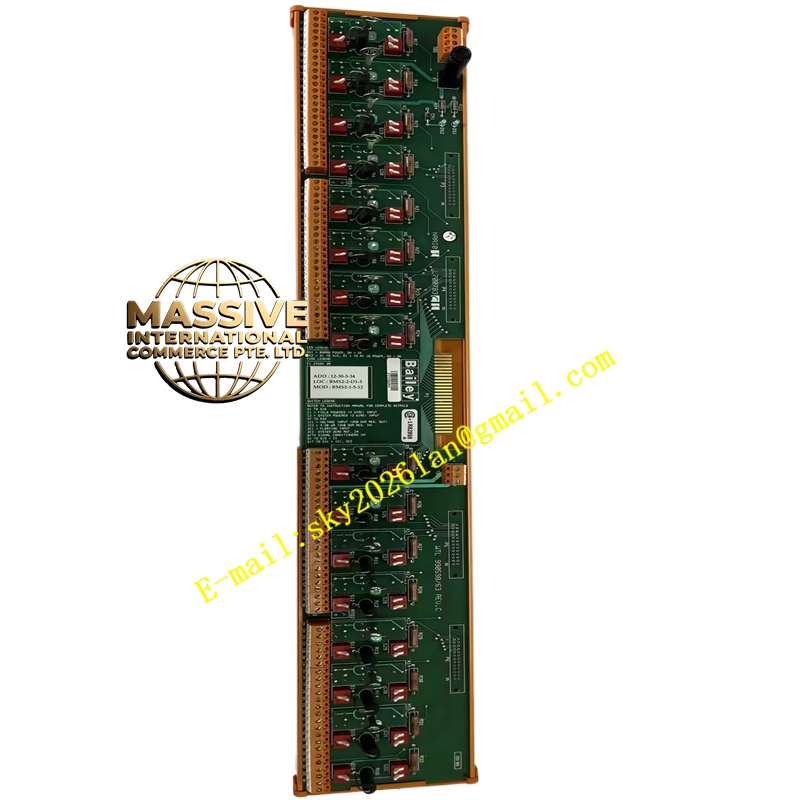
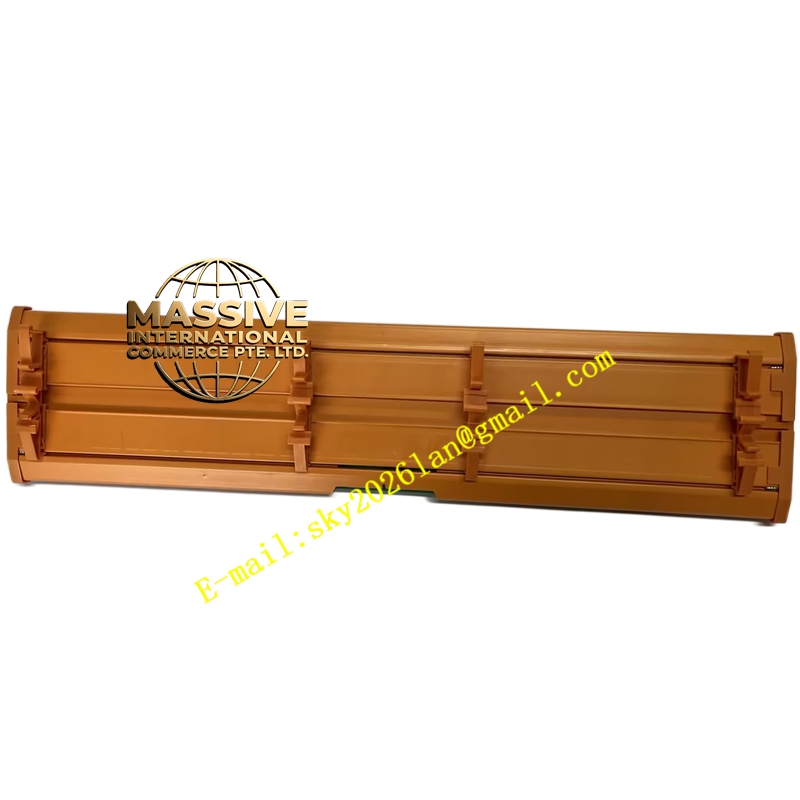
Description
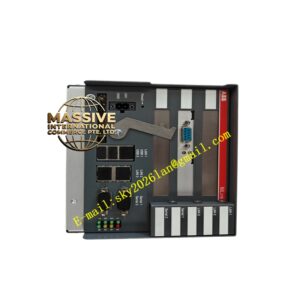
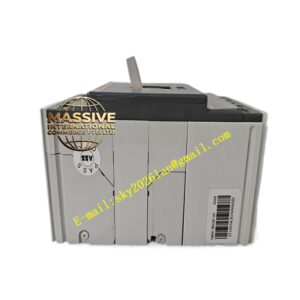
ABB NRAI01
Technical Specifications:
- Input Types: Configurable for current (4-20 mA) or voltage (0-10 V).
- Resolution: High-resolution ADC (typically 16-bit).
- Number of Channels: Multiple isolated analog inputs per module.
- Update Rate: Fast scan rate for real-time process control.
- Electrical Isolation: Channel-to-channel and channel-to-bus isolation.
Functional Features:
- True RMS Measurement: Accurate measurement of both DC and AC signals.
- Wire Break Detection: Automatically detects open circuits in 4-20 mA loops and reports a fault.
- Linearization: Built-in linearization tables for thermocouples and RTDs (if applicable).
- Diagnostics: Continuous monitoring of input health, over-range, and under-range conditions.
Application Scenarios:
- Process variable monitoring in chemical and petrochemical plants.
- Temperature and pressure feedback for closed-loop PID control.
- Energy metering and flow measurement integration.
- Environmental monitoring and emissions tracking.
Performance Parameters:
- Accuracy: High-precision with low temperature drift over the operating range.
- Input Impedance: High impedance for voltage inputs; low burden for current inputs.
- Common Mode Rejection: Excellent CMRR to reject electrical noise in harsh environments.
- Response Time: Configurable filtering to balance noise rejection and response speed.
Material Composition & Structural Characteristics:
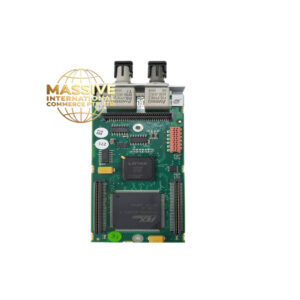
- PCB: Precision analog front-end with low-drift components.
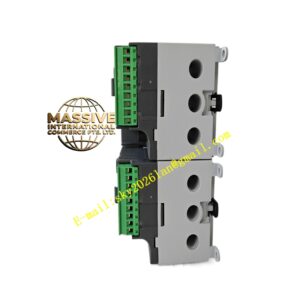
- Terminals: Removable screw terminal blocks with clear labeling for each channel.
- Enclosure: Standard industrial module housing with DIN rail clip.
- Indicators: Per-channel LEDs for status, wire break, and fault indication.
Working Principle:
Field signals are connected to the module’s input terminals. Each channel passes through protection circuitry and signal conditioning amplifiers that scale and filter the signal. The conditioned analog signal is then digitized by a high-resolution ADC. The module’s microcontroller applies scaling, linearization, and diagnostic checks before transmitting the digital values over the internal I/O bus to the AC800M controller.
Installation Requirements:
- Wiring: Use shielded twisted-pair cable for all analog signals to minimize noise pickup.
- Grounding: Connect the cable shield at the module end only to prevent ground loops.
- Configuration: Set jumpers or configure via software to match the field signal type (current vs. voltage).
- Power Supply: For 2-wire transmitters, verify whether the module provides loop power or requires an external supply.
Usage Precautions:
- Signal Limits: Do not apply signals exceeding the maximum rated input voltage/current, even momentarily.
- Calibration: Perform periodic calibration checks using a precision signal source to maintain measurement accuracy.
- ESD Protection: Handle the module with care; static discharge can damage the sensitive analog front-end.
- Wire Breaks: Investigate wire break alarms immediately, as they indicate a loss of process visibility.