


Description
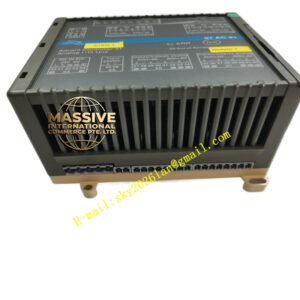
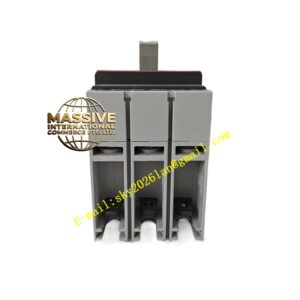
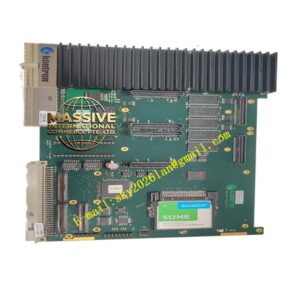
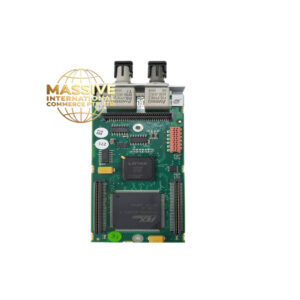
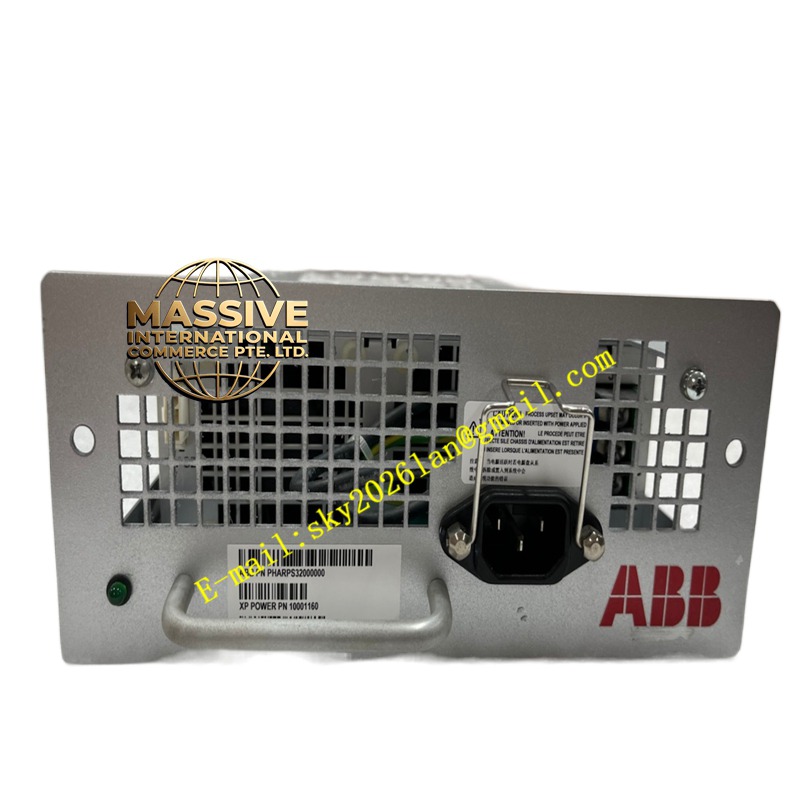
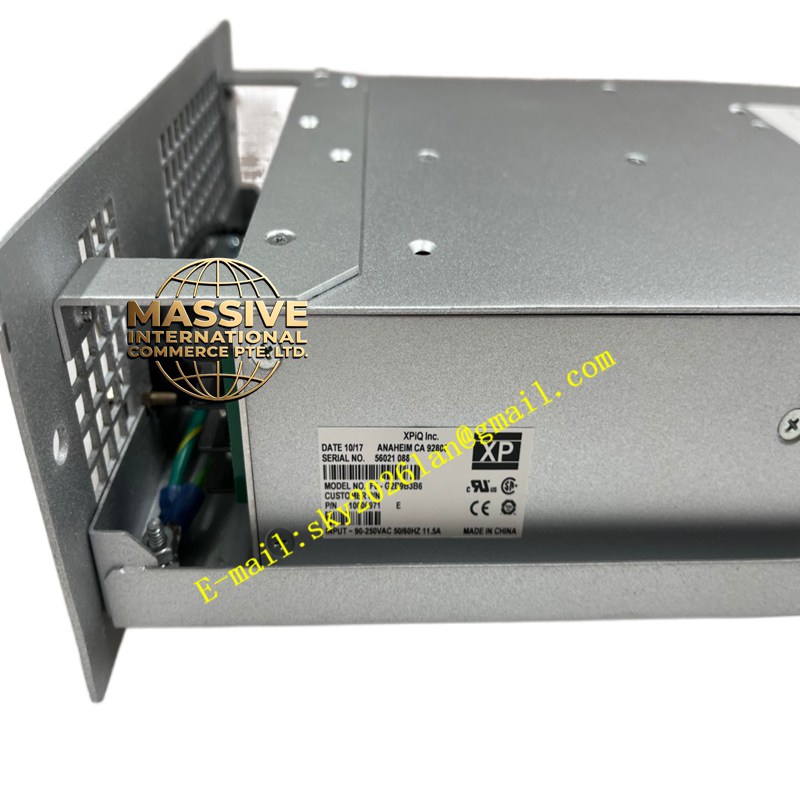
ABB PHARPS32000000
Technical Specifications:
- Redundancy Architecture: 1+1 True Redundant Configuration.
- Electrical Isolation: Up to 4kV reinforced isolation between input, output, and chassis.
- System Platform: ABB Symphony Plus and Harmony.
Functional Features:
- Dynamic Current Sharing: Features precision high-frequency current-sharing circuits to ensure minimal load deviation during parallel operation.
- Ultra-Low Ripple: Utilizes multi-stage LC filtering to provide exceptionally clean DC output, protecting sensitive DCS internal buses from noise.
- Intelligent Health Monitoring: Interacts with the S+ controller via the backplane to report real-time temperature, voltage offset, and fan speed to the engineering station.
Application Scenarios:
Critical process control applications where system availability is paramount, such as power plant boilers, large-scale chemical reactors, and water treatment facilities.
Performance Parameters:
- Switching Time: Microsecond-level full-load transfer upon single-module failure, preventing controller reboots or data loss.
- Thermal Management: Recommended cabinet internal temperature control below 40°C for optimal capacitor lifespan.
Material Composition:
Constructed with industrial-grade long-life electrolytic capacitors and high-efficiency power transistors, housed in a metal-shielded enclosure for superior Electromagnetic Compatibility (EMC).
Structural Features:
Designed for rack mounting with integrated cooling fans and physical LED status indicators. Supports hot-swapping capabilities for maintenance without system shutdown.
Working Principle:
Operates in a parallel redundant topology where both modules share the load equally. If one module fails, the surviving module seamlessly assumes 100% of the load instantly without any voltage droop.
Installation Requirements:
Install in pairs for redundant operation. Ensure the cabinet air intake filters are clean to prevent dust accumulation, which can lead to power transistor thermal breakdown.
Usage Precautions:
Perform a minimum 2-hour loaded burn-in test on a test bench before installing a replacement module in a live system. Regularly monitor module health via the Composer/S+ Engineering software.