



Description
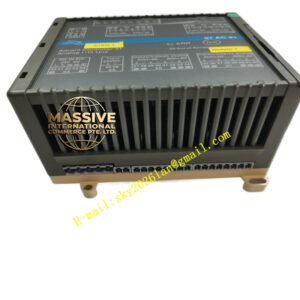
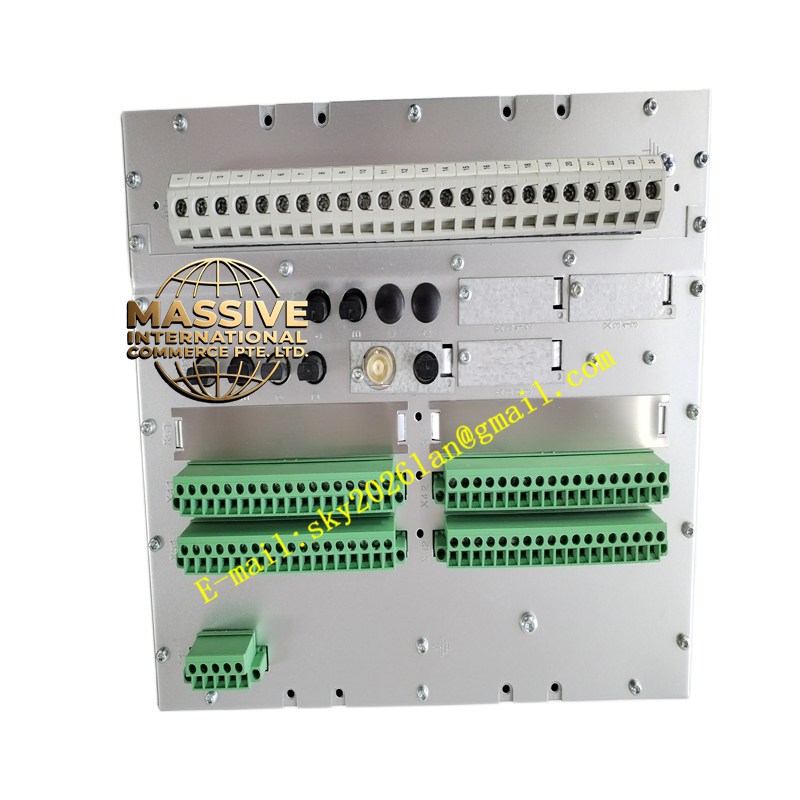
ABB REG670
Technical Specifications:
- Series: Relion 670.
- Protection Scope: Complete generator protection including differential, stator earth fault, rotor earth fault, and loss-of-field.
- Communication: IEC 61850 Ed 2.0, PRP/HSR, IEEE 1588 v2.
Functional Features:
- 100% Stator Earth Fault Protection: Combines fundamental and third-harmonic voltage principles.
- Thermal Modeling: Advanced thermal replica for precise generator winding and core temperature estimation.
- Condition Monitoring: Partial discharge, torsional vibration, and air-gap monitoring capabilities.
- Redundancy: Hot-standby CPU and redundant power supplies (optional).
Application Scenarios:
- Utility-scale thermal, hydro, and nuclear power plants.
- Large industrial cogeneration and combined-cycle plants.
- Critical backup generation facilities.
Material Composition & Structural Characteristics:
- Redundant Hardware: Dual-core processing and redundant I/O paths for maximum availability.
- High-Speed Sampling: Precision analog front-end for accurate differential and harmonic analysis.
Working Principle:
Continuously monitors all electrical and mechanical parameters of the generator. Utilizes multi-principle protection algorithms to ensure secure fault detection while maintaining absolute stability during external faults and system transients.
Installation Requirements:
- Requires meticulous CT/VT wiring and polarity verification.
- Commissioning must be performed by certified ABB protection engineers.
- Integrate with the plant DCS and protection management system prior to synchronization.
Usage Precautions:
- Never bypass critical generator protection functions during operation.
- Regularly validate the thermal model using actual RTD measurements.
- Maintain strict cybersecurity protocols for the generator protection network.