


Description
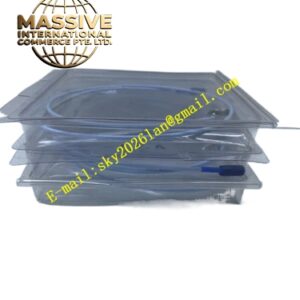
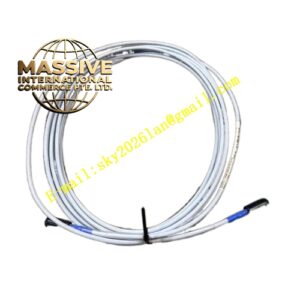
Bently 21508‑02‑12‑05‑02
- Key Features: High‑temperature resistant coil assembly; special heat‑resistant cable material; epoxy high‑temperature sealing compound; threaded mounting interface; 0.5 m integral coaxial cable; microdot connector termination.
- Technical Specifications & Performance Parameters
- Integral cable length: 0.5 m
- Probe allowable working temperature: Up to +175 ℃
- Storage temperature: ‑55 ℃ ~ +185 ℃
- Frequency response: 0‑8 kHz
- Weight: 0.26 kg
- Material Composition: High‑temperature‑resistant stainless‑steel probe housing and thread body; heat‑resistant sensing coil; high‑temperature‑grade PTFE insulated coaxial cable; high‑temperature metal shielding braid; special high‑temperature epoxy sealing material; microdot metal connector.
- Structural Features: High‑temperature‑resistant cylindrical probe main‑body; external mounting thread; rear‑exit 0.5 m high‑temperature‑grade integral coaxial cable; microdot termination connector; heat‑resistant fully‑sealed coil cavity.
- Working Principle: Proximitor sends high‑frequency excitation signal to probe coil. Eddy‑current generates on conductive shaft‑target surface. Gap‑distance variation changes coil‑impedance. Proximitor converts impedance‑variation into linear DC gap‑voltage analog‑output signal.
- Application Scenarios: High‑temperature measuring‑points nearby steam‑turbine casings; high‑temperature‑zone compressor shaft‑condition monitoring; industrial equipment measuring‑points under continuous elevated‑temperature condition; spare‑part replacement for high‑temperature probes of legacy 7200 systems.
- Installation Requirements: Install probe in dedicated high‑temperature‑resistant mounting‑bracket; adjust initial working‑gap inside linear‑measurement‑range; lock microdot connector completely; keep high‑temperature‑section cable away from direct flame‑heating; separate sensor cables and power‑cable routing; shielding‑layer adopts single‑end grounding.
- Usage Notes: This probe is exclusively used for high‑temperature measuring‑point positions; mechanical collision to probe tip is forbidden; do not alter factory‑calibrated total cable‑length of full transducer assembly; inspect microdot‑connector contact status during each equipment overhaul cycle.