


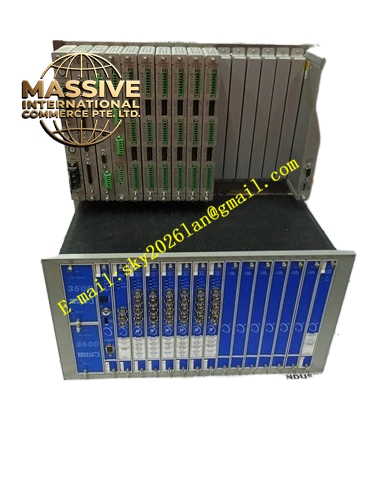
Description
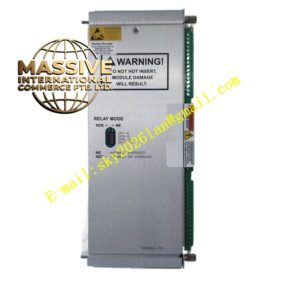
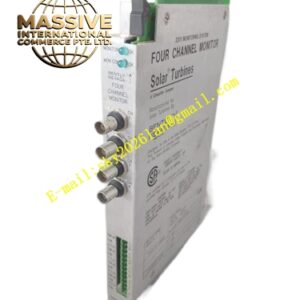
Bently 3500 22-01-01-CN
Technical Specifications
- Module Type: Transient Data Interface (TDI)
- Certification: CN (China National Standards)
- Network Interface: 10/100 Base-TX Ethernet
- Slot Requirement: Slot 1
Functional Features
- Regulatory Compliance: Meets all domestic safety, EMC, and metrology requirements for industrial monitoring equipment in China.
- Standard TDI Functionality: Fully supports System 1 integration, steady-state data capture, and optional transient waveform recording.
- Local Support: Facilitates smoother project acceptance, audits, and maintenance within Chinese industrial facilities.
Application Scenarios
Mandatory for domestic power plants, state-owned enterprises, and large-scale infrastructure projects in China where equipment must pass strict local safety and compliance inspections.
Performance Parameters
- Operating Temperature: -30°C to +65°C
- Storage Temperature: -40°C to +85°C
- Humidity: 95% non-condensing
- EMC Rating: Compliant with Chinese industrial EMC standards
Material Composition
Manufactured using components that comply with domestic environmental and safety regulations (e.g., RoHS, CCC-related material standards).
Structural Characteristics
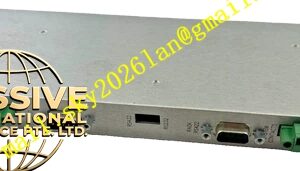
Features the standard TDI layout with RJ-45 connectivity, clearly marked with CN certification labels on the front panel and chassis.
Working Principle
Operates identically to the standard 3500/22 TDI, capturing and transmitting data via Ethernet while adhering to certified electrical safety margins.
Installation Requirements
Installed in Slot 1. Must be grounded according to Chinese electrical installation codes to maintain certification validity.
Usage Notes
Do not substitute non-CN modules in projects strictly requiring CN-certified components, as this may cause compliance failures during official audits.