


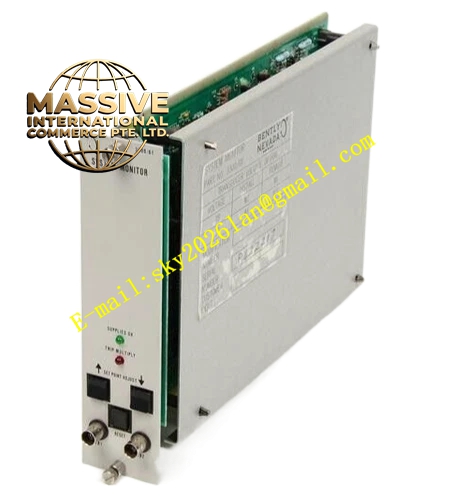
Description
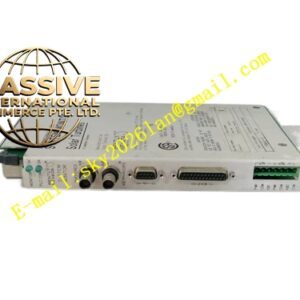
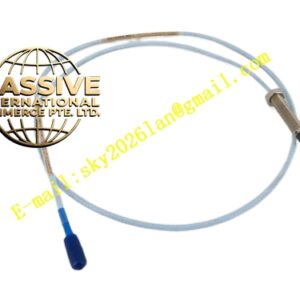
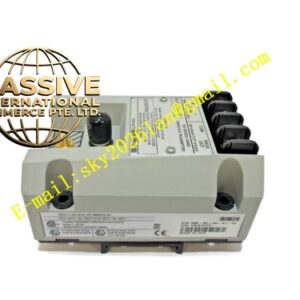
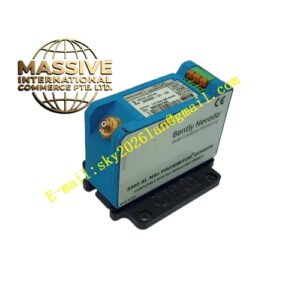
Bently 9200‑06‑50‑08‑02
Technical Specifications:
- Sensing Principle: Moving‑coil self‑generating
- Mounting Angle: 0‑degree vertical installation
- Nominal Sensitivity: 500 mV/in/s (20 mV/mm/s), tolerance ±5% at 100 Hz
- Frequency Response: 10 Hz ~ 1000 Hz (-3 dB)
- Integrated Cable Length: 5 meters
- Connector Type: Aviation plug connector
- Operating Temperature: ‑50 °C ~ +120 °C
- Storage Temperature: ‑55 °C ~ +130 °C
- Insulation Resistance: ≥100 MΩ @500 VDC
- Housing Protection Grade: IP65
- Cable Jacket Material: FEP fluoropolymer
- Weight: 0.65 kg including full‑length cable
- Mechanical Shock: 50 g peak Functional Features:
- Factory integrated 5‑meter signal cable removes field splicing, guarantees consistent electrical characteristic of whole signal path.
- Zero‑degree vertical installation optimizes vertical casing vibration pickup.
- Aviation connector delivers reliable connection under long‑time unit vibration.
- FEP fluoropolymer cable jacket resists oil, chemical solvent and high‑temperature aging.
- Passive self‑powered operation fits permanent online monitoring and diagnostic testing.
- Corrosion‑resistant stainless‑steel housing adapts to severe industrial site conditions. Application Scenarios: Heavy‑duty compressor, large fan, pump vertical casing vibration online monitoring; fixed monitoring points with long wiring distance from junction box; chemical plant rotating machinery protection measurement points. Performance Parameters: Amplitude linear error ≤ ±3% FS; phase shift ≤10° within working frequency band; low signal noise; stable performance under wide temperature fluctuation. Material Composition: 316 stainless‑steel housing; high‑performance permanent magnet; copper moving‑coil assembly; non‑magnetic support frame; FEP fluoropolymer cable; metal aviation connector; fluorosilicone sealing gaskets. Structural Characteristics: Sealed cylindrical sensor body; bottom mounting thread; directly potted integral 5‑meter cable; cable terminal fitted with aviation connector; housing printed with model number and unique serial identifier. Working Principle: Machinery casing vibration causes relative displacement between suspended coil and internal permanent magnet. Electromagnetic induction generates AC voltage output proportional to casing vibration velocity. Back‑end monitoring hardware converts AC signal into readable vibration parameters. Installation Requirements:
- Clean mounting base surface thoroughly, remove paint and rust for rigid mechanical coupling.
- Tighten mounting stud with specified torque to prevent sensor loosening caused by equipment vibration.
- Keep sensor installed at 0‑degree vertical orientation.
- Cable minimum bending radius should be no less than ten times cable outer diameter, avoid sharp dead bend.
- Route sensor cable separately away from high‑power drive cables, prevent electromagnetic interference.
- Lock aviation connector completely, seal connector area against moisture and oil contamination. Usage Notes:
- Forbid heavy dropping or impact to sensor main body, internal suspension coil can be permanently damaged.
- Do not cut or splice factory integrated cable. Any cutting changes original electrical property and void factory calibration.
- Do not perform high‑voltage megger insulation test across sensor terminals.
- Prevent cable from long‑term soaking in high‑temperature process oil to avoid jacket accelerated aging.
- Check mounting tightness and connector locking condition during regular unit overhaul.