


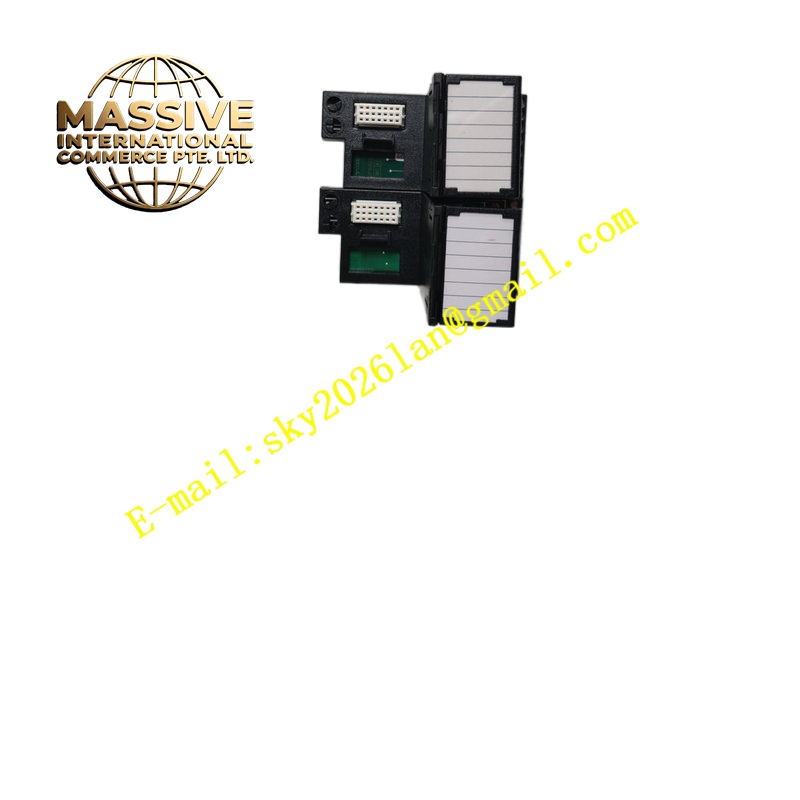
Description
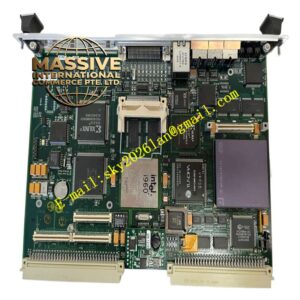
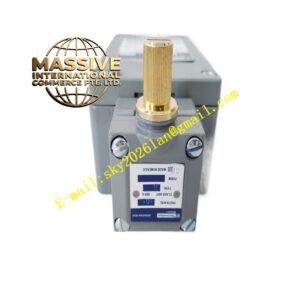
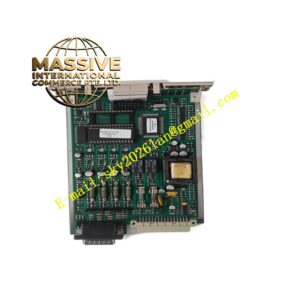
BOSCH CLC-V02.3C-FW
Technical Specifications
Brand: BOSCH
Product Model: CLC-V02.3C-FW
Product Type: Industrial Control Module / PLC Module
Application Field: Factory automation, process control, discrete manufacturing
System Compatibility: BOSCH industrial control systems
Operating Temperature: Industrial-grade temperature range
Protection Rating: Compliant with industrial environmental standards
Installation Method: Standard DIN rail or rack mounting
Electrical Interface: Standardized industrial connectors
Certification Standards: Compliant with relevant industrial safety and EMC standards
Functional Features
High Reliability: Industrial-grade component selection ensures stable operation in continuous production environments
Modular Design: Facilitates easy system expansion, maintenance, and spare part replacement
Fast Response: Optimized processing speed meets real-time control and interlock protection requirements
Standardized Interfaces: Seamless integration with BOSCH automation systems, compatible with mainstream industrial communication protocols
Wide Temperature Operation: Adapts to temperature fluctuations common in industrial workshops
Long-Life Design: Ensures reliable long-term operation, reducing maintenance costs
Self-Diagnostic Function: Real-time monitoring of operating status for quick fault localization
Communication Compatibility: Supports multiple industrial bus and Ethernet communication protocols for easy system integration
Anti-Interference Design: Built-in electromagnetic compatibility protection for complex industrial electromagnetic environments
Application Scenarios
Automotive Manufacturing: Assembly line control, welding robot coordination, painting line automation
Packaging Machinery: Filling, labeling, and packaging equipment control
Assembly Lines: Sequential control, quality inspection stations, material handling systems
Process Control: Temperature, pressure, and flow regulation in industrial processes
Discrete Manufacturing: Logic control for stamping, molding, and machining operations
Material Handling: Conveyor systems, sorting equipment, and automated storage systems
Safety Systems: Safety interlock and emergency stop control circuits
General Automation: Machine tool control, testing equipment, and production monitoring systems
Performance Parameters
Operating Voltage: Industrial standard voltage range (e.g., 24V DC)
Signal Types: Supports digital and analog signal processing
Response Time: Millisecond-level fast response
Operating Temperature: Industrial-grade wide temperature range
Protection Rating: Compliant with industrial environmental requirements
Installation Dimensions: Standard modular dimensions
Communication Interface: Standard industrial communication protocols
Mean Time Between Failures: Industrial-grade MTBF standard
Material Composition
Industrial-grade PCB circuit board, surface-mounted industrial components, metal shielding housing for electromagnetic protection, flame-retardant engineering plastic housing, gold or tin-plated connectors, compliant with RoHS environmental standards
Structural Features
Compact modular design, standard DIN rail or rack mounting structure, metal shielding housing for electromagnetic protection, standardized industrial connectors, status indicator lights for power, operation, fault, and communication status, thermal design adapted to industrial ambient temperatures, dust-proof structure, plug-and-play maintenance-friendly modular form factor
Working Principle
The module receives signals from field sensors or upper-level control systems, processes them through internal signal conditioning circuits, and executes preset control logic, PID algorithms, or interlock programs via a microprocessor. It outputs control signals to drive actuators such as relays, valves, or motor drives. Built-in self-diagnostic circuits continuously monitor operating status, input/output signals, and communication links, reporting abnormalities through indicator lights or communication interfaces. The module communicates with the BOSCH control system via standard industrial bus protocols, enabling distributed control, data acquisition, and centralized monitoring to ensure stable production processes.
Installation Requirements
Install on standard DIN rail or designated rack slot, ensuring secure fixation and reliable grounding
Verify voltage level and polarity before connecting power supply
Use shielded cables for signal lines with proper shield grounding
Maintain adequate clearance around the module for heat dissipation
Avoid installation near strong electromagnetic interference sources
Confirm system configuration, module address, and communication parameter settings before installation
Follow BOSCH installation manuals for wiring, commissioning, and parameter configuration
Usage Precautions
Disconnect power before installation and maintenance for safety
Avoid mechanical shock or strong vibration to the module
Keep the module surface clean to prevent dust accumulation affecting heat dissipation
Regularly check terminal tightness to prevent loose connections
Verify exact model match (including suffix) when replacing modules to avoid incompatibility
Avoid use beyond operating temperature range or in high-humidity condensation environments
Perform regular system backups to preserve configuration parameters and control programs
Refer to BOSCH technical manuals for fault diagnosis when abnormalities occur
Do not attempt on-site internal repairs; replace faulty modules as complete units