


Description
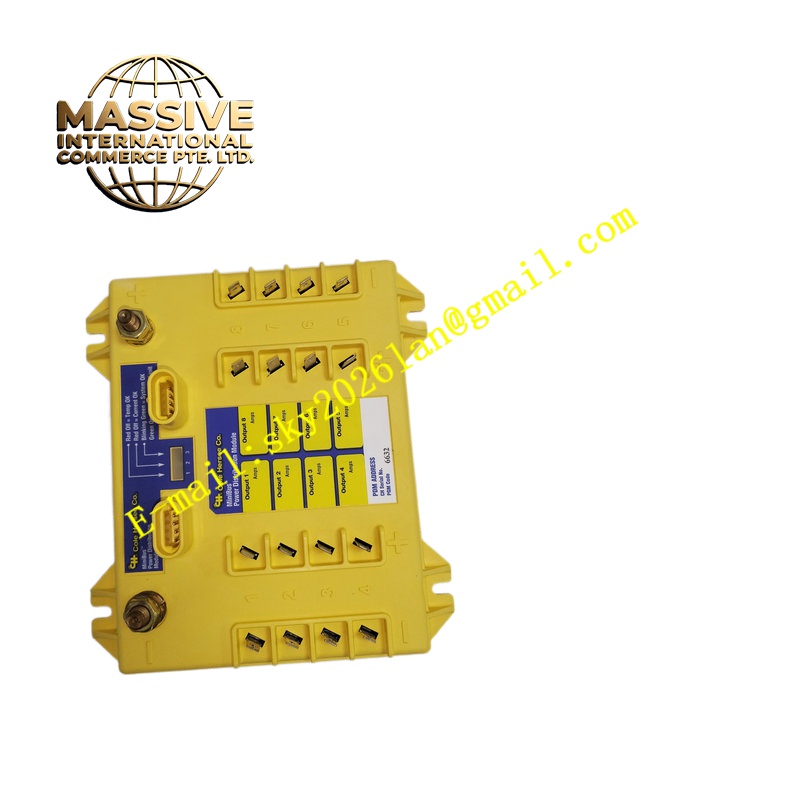
Cole Hersee 48408
Technical Specifications Nominal coil voltage 12 VDC; continuous rated load 50 A, 5-minute rating 70 A; peak inrush current 150 A; coil drive via low-current control switch; dielectric strength 500 V RMS between coil and power contacts; operating temperature range -40 ℃ to +85 ℃; vibration resistance 10 Hz to 55 Hz; fully sealed nylon housing with epoxy encapsulated power studs.
Functional Features Bidirectional motor polarity switching; dynamic motor braking upon control signal removal; isolated low-current coil control circuit separate from high-current power circuit; corrosion-resistant tin-plated brass power studs; mechanical mounting flange with slotted holes for chassis installation; surge suppression built into coil circuits.
Application Scenarios Truck tarp motor control, construction vehicle outrigger actuators, winch and windlass drive, snowplow blade motors, marine hatch and fan reversing motors.
Material Composition Black reinforced nylon sealed housing; copper alloy power contact studs; silver alloy relay contact material; wound copper coil assembly; steel mounting bracket; epoxy potting compound for stud isolation.
Structural Characteristics Low-profile rectangular sealed module; two heavy-duty threaded power studs for motor and battery connection; small coil control terminals for low-current switch wiring; integrated mounting flange with oval holes for chassis bolt fastening.
Working Principle Low voltage control signal energizes one of two internal solenoid coils. The solenoid pulls contact sets to swap motor terminal polarity, changing rotation direction. When control signal is removed, contact state shorts motor armature terminals to implement dynamic braking.
Installation Requirements Mount on rigid vehicle chassis surface with proper bolt torque; route heavy-gauge power wiring directly to battery and motor; protect control wiring from abrasion; verify coil voltage matches vehicle electrical system.
Operation Notes Do not exceed specified continuous current rating for long-duration operation; inspect stud terminal tightness after heavy vibration cycles; keep sealed housing intact to prevent moisture and salt ingress in marine and road service.