


Description
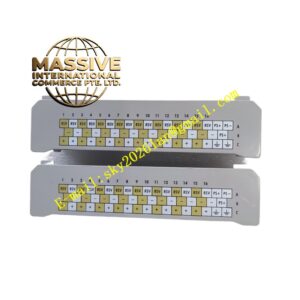
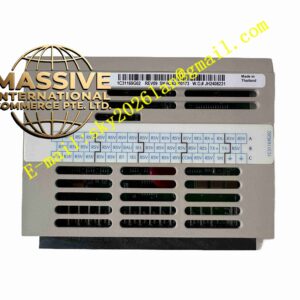
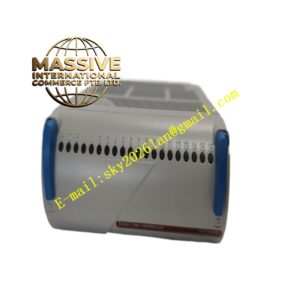
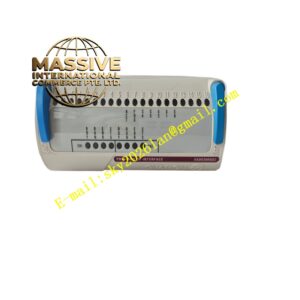
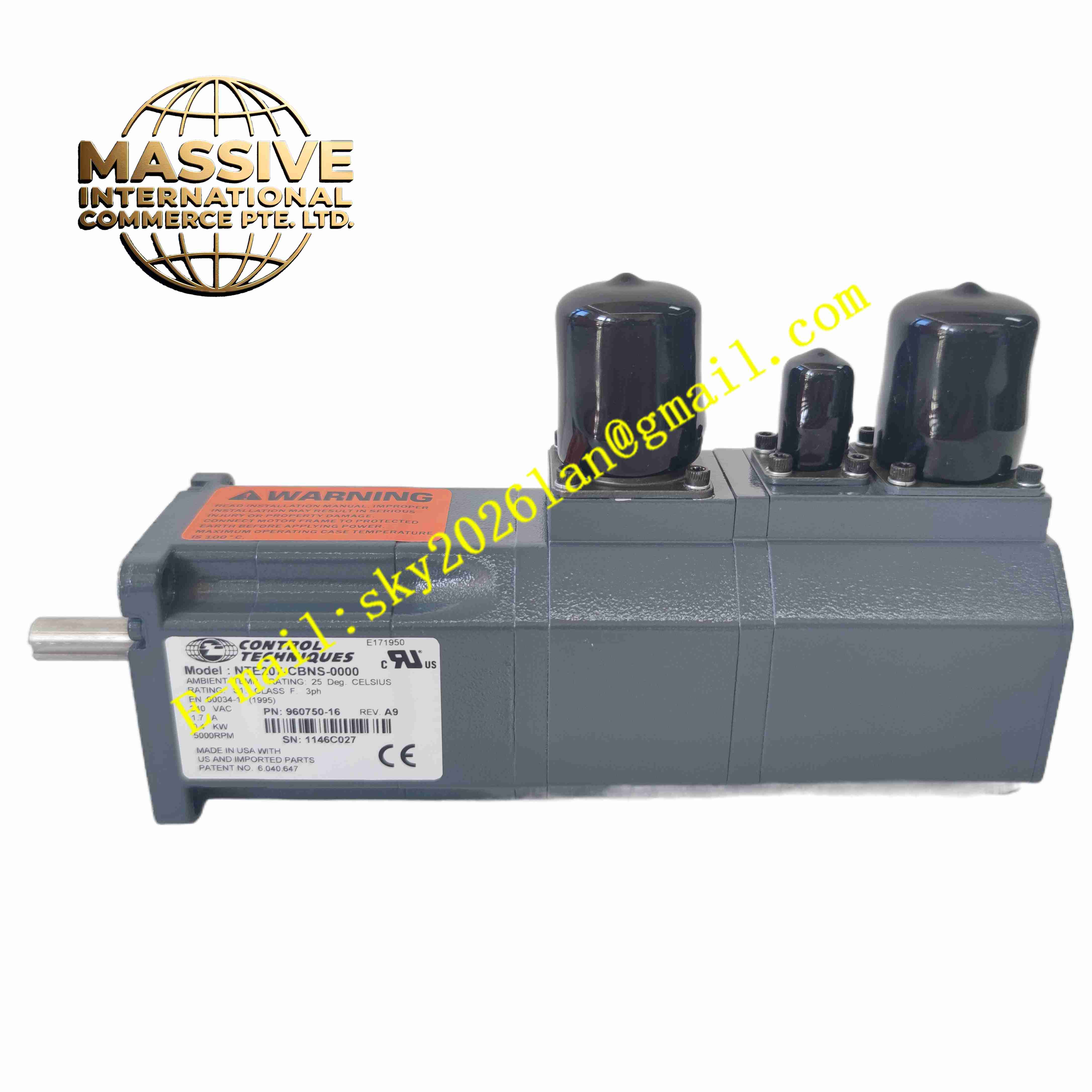
EMERSON NTE207-CBNS-0000
Technical Specifications: Model: NTE207-CBNS-0000 Module type: DCS network interface module Backplane interface: Emerson proprietary DCS chassis backplane bus External communication: Industrial Ethernet port Power supply: Supplied from DCS chassis backplane Operating temperature range: 0℃ ~ +60℃ Storage temperature range: -40℃ ~ +85℃ Relative humidity: 5% to 95%, non-condensing Form factor: Single slot plug-in rack module Protection grade: IP20 inside control cabinet
Functional Features: Bidirectional data exchange between DCS controller backplane and external Ethernet network. Network data packet forwarding and protocol processing for process control data. Built-in network isolation function to separate control network and office network. Real-time communication status monitoring and network fault alarm generation. LED indicators for module power, network link, data activity and hardware fault. Non-volatile memory stores network configuration parameters after power loss. Hardware self-test during power-on startup to detect internal circuit fault. Support redundant network configuration for high availability DCS system.
Application Scenarios: Petrochemical refining DCS control system, thermal power plant distributed control system, chemical batch process control, pulp and paper mill automation, oil and gas plant control network, pharmaceutical process control, water treatment DCS remote HMI connection.
Performance Parameters: High speed data forwarding between DCS backplane and Ethernet network. Fast detection of network disconnection and link failure. Continuous operation: 24 hours uninterrupted operation inside process control cabinet. High immunity to electromagnetic interference in heavy industry environment.
Material Composition: PCB substrate: Multi-layer FR4 glass fiber epoxy printed circuit board. Core components: Network communication processor, Ethernet physical layer chip, backplane bus interface chip, non-volatile memory. Front panel: Black flame retardant ABS plastic with silk screen and LED windows. Backplane connector: Gold plated copper alloy contact pins with anti-oxidation treatment. Ethernet connector: RJ45 metal shielded connector with gold plated contact pins.
Structural Features: Standard single slot rectangular plug-in board structure matching Emerson DCS chassis. Front panel fitted with shielded RJ45 Ethernet port and multiple LED indicators. Internal circuit layout divided into backplane bus interface area, protocol processing area and Ethernet transceiver area. Mechanical locking latch to secure module inside chassis slot. Internal signal isolation circuit to protect DCS backplane from external network surge.
Working Principle: Module receives power supply through DCS chassis backplane. It communicates with DCS controller via proprietary backplane bus. Process data from DCS controller is packaged into Ethernet frames and transmitted to external network through RJ45 port. Incoming Ethernet packets from HMI or SCADA system are parsed, filtered and converted into backplane bus data and sent to DCS controller. Network monitoring circuit continuously checks Ethernet link status and packet error rate. When communication abnormality occurs, fault flag is generated and displayed via front panel LED. All network configuration parameters are saved into on-board non-volatile memory.
Installation Requirements: Cut off DCS chassis power before inserting or removing NTE207-CBNS-0000 module. Insert module into designated empty chassis slot and lock mechanical latch. Connect industrial Ethernet shielded cable to RJ45 connector on front panel. Configure IP address, network protocol and redundancy setting through DCS engineering software. Ensure DCS cabinet protective earth ground connection is reliable. Reserve air gap between adjacent modules for heat dissipation. Separate control network cables from non-control office network cables.
Usage Notes: Hot swap is forbidden when DCS chassis is energized unless chassis supports hot swap function. Backup network configuration before modifying IP parameters or firmware upgrade. Use industrial shielded Ethernet cable for field network wiring. Regularly inspect RJ45 connector tightness and LED indicator status. Wear anti-static wristband when handling module. Do not expose module beyond rated temperature and humidity range. Prevent conductive dust and liquid from entering module circuit region.