


Description
Emerson UBI3KVA-220F
- Output voltage regulation accuracy: ±1%
- Frequency stability: ±0.5Hz
- Transfer time between mains and battery: 0ms
- THD output distortion: Less than 3% under linear load
- Battery charging current control precision: ±5%
Material Composition
- Main housing: Cold rolled steel sheet with electrostatic powder coating
- Power PCB: FR-4 flame retardant printed circuit board with conformal coating
- Power semiconductor: Industrial IGBT, rectifier bridge and high frequency transformer
- Electrolytic capacitor: Long-life industrial grade capacitor
- Terminal block: Copper alloy screw type terminals
- Cooling fan: Brushless DC industrial fan
- Display panel: Segment LCD screen with membrane operation buttons
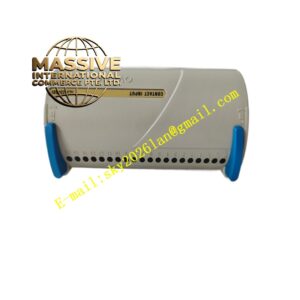
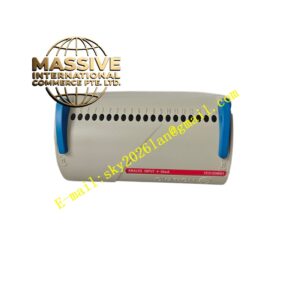
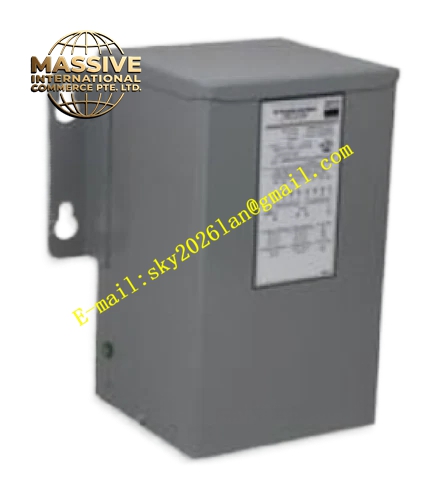
Structural Characteristics Rack mount or floor standing rectangular metal cabinet structure. Front panel integrates LCD screen, operation buttons and status LED indicators. Internal compartment separates power conversion chamber and battery chamber. Rear panel arranges input terminal, output terminal, battery terminal and relay alarm terminals. Built-in fan pulls air through internal heat sink for forced convection cooling.
Working Principle Under normal mains condition, AC input passes EMI filter and rectifier circuit to convert AC to DC. The inverter converts DC back to stable purified AC to supply load. The charging circuit charges the battery bank simultaneously. When mains power fails, the rectifier stops working and battery supplies DC power directly to inverter without transfer delay. Sampling circuits continuously monitor input voltage, output voltage, load current and internal temperature. Once abnormal condition is detected, protection circuit triggers and relay outputs alarm signal. When mains restores, the system automatically switches back to normal mode and resumes battery charging.
Installation Requirements
- Reserve enough installation space for the UPS unit. Keep clearance of minimum 150mm on top and rear for airflow.
- Connect mains input cable, load output cable and battery cable according to wiring diagram. Tighten all screw terminals.
- Connect dry contact alarm wiring to DCS DI channel for remote fault monitoring.
- Connect protective earth wire to cabinet grounding bar, grounding resistance less than 4 ohms.
- Install external circuit breaker for mains input circuit. Match breaker rating to UPS rated current.
- Confirm battery polarity before connecting battery pack. Reverse polarity will destroy internal power circuit.
- Power on the unit and perform full functional test after wiring completion. Verify all alarm signals work normally.
Usage Precautions
- Do not operate the UPS beyond rated 3KVA load capacity. Long-term overload triggers protection shutdown and damages power components.
- The unit is designed for indoor cabinet installation. Do not install in outdoor, high corrosive or condensing environment.
- Disconnect mains input and battery connection before internal maintenance. Wait for capacitor discharge before touching internal circuit.
- Do not open the metal housing. Internal high voltage circuit exists. No field repairable components. Replace spare parts by professional technicians.
- Keep ventilation openings clean. Dust accumulation blocks airflow and activates overtemperature protection.
- Battery has service life limit. Replace battery pack according to maintenance schedule.
- Cold start function is only used for emergency test. Avoid frequent cold start operation.