



Description
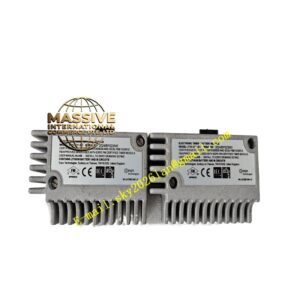
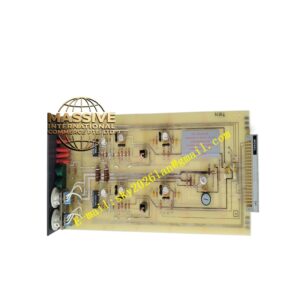
Foxboro FBM05
Technical Specifications
- Model Number: FBM05
- Configuration: 4 Redundant AI / 4 Redundant AO
- Signal Type: 0-20 mA / 4-20 mA
- Redundancy: Hardware-level channel redundancy
Functional Features
- High Availability: Automatic failover to backup channels ensures zero process disruption.
- Continuous Monitoring: Constantly compares primary and backup channels to detect degradation.
- Seamless Integration: Transparent to the control processor; redundancy is managed at the hardware level.
Application Scenarios
Mandatory for critical safety loops, turbine control, and high-value batch processes where any single-point failure could result in catastrophic downtime.
Performance Parameters
- Reliability: Extremely high Mean Time Between Failures (MTBF) due to redundant architecture.
- Failover Time: Instantaneous switching with no bump in the control signal.
Material Composition
Premium-grade components with dual signal paths meticulously routed to prevent cross-interference.
Structural Characteristics
- Standard Footprint: Fits existing FBM04 baseplates for easy upgrades.
- Diagnostic LEDs: Advanced front-panel indicators for redundancy status and channel health.
Working Principle
The module processes signals through dual independent circuits. If the primary circuit fails, the secondary circuit seamlessly takes over, while the module reports the fault to the DCS for maintenance.
Installation Requirements
Wire both primary and secondary channels as per the termination diagram. Ensure the system software is configured to recognize the redundant module type.
Usage Precautions
Do not mix redundant and non-redundant modules in critical paired applications. Regularly test redundancy failover during maintenance windows.