


Description
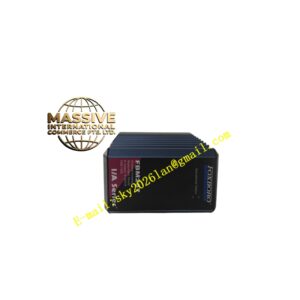
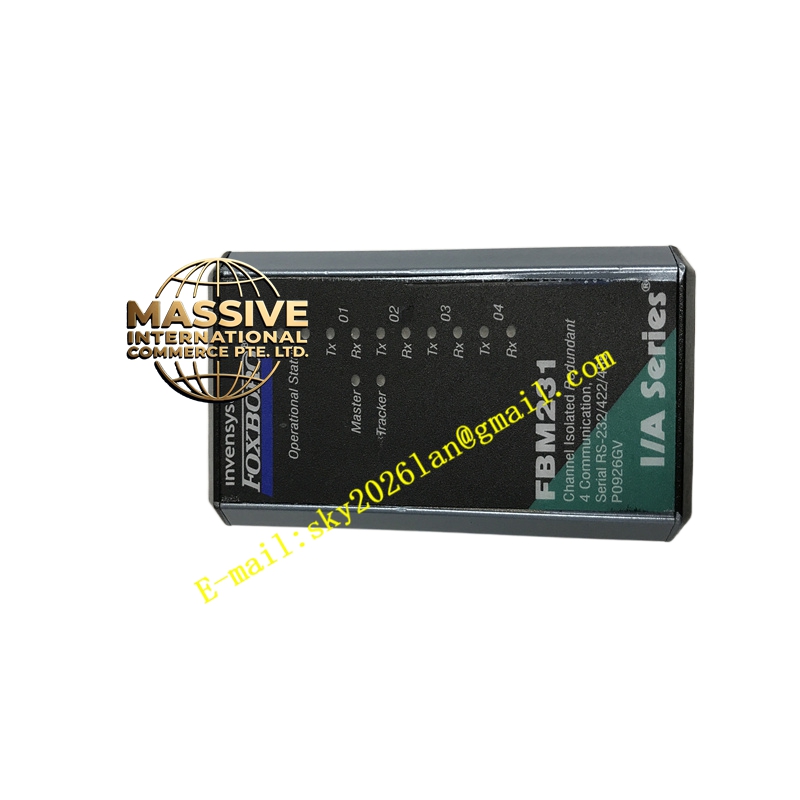
Foxboro FBM231 Technical Specifications:
- Communication Ports: 4 ports; each individually configurable for RS-232, RS-422, or RS-485
- Redundancy: Pair of FBM231 (Master and Tracker) for FBM-level redundancy to dual-port devices
- Supported Protocols: I/O software drivers downloadable from library (Modbus RTU/TCP and others)
- Device Capacity: Up to 64 devices or up to 4 RS-232/RS-422 devices per module
- Data Integration: Up to 2000 DCI blocks per
- Environmental: G3-class (harsh) industrial environment; field-mountable
- Isolation: Electrical isolation between ports and the I/A system (per FBM231 design)
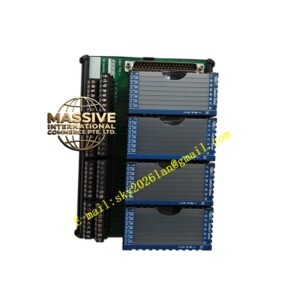
- Compatibility: Used with associated Terminal Components (TAs) for field wiring; supports direct device connection, modem connection for RS-232, and multi-drop RS-485 networks
- Protocol: Foxboro 2 Mbps module fieldbus to the I/A control station (via FCM10E or similar fieldbus communication modules)
Functional Features:
- FBM-level redundancy with automatic Master/Tracker role switchover upon fault detection or manual command
- Per-port software configuration for electrical standard (RS-232/422/485)
- Multi-drop RS-485 networking for field devices
- Seamless integration of field device data into the Foxboro control database
- Field installation capability near the process equipment
- Comprehensive diagnostics and status reporting via the DCS
Application Scenarios:
- Integration of Modbus RTU/TCP field devices (single- or dual-port) into Foxboro I/A Series
- Serial communication networks for smart transmitters, drives, and PLCs
- Remote I/O and skid-mounted equipment communication
- Upgrading legacy serial-linked field devices to a redundant DCS interface
Performance Parameters:
- Supports up to 2000 DCI blocks, facilitating large-scale data mapping
- Redundant operation improves system availability
- Deterministic communication suitable for process control
Material and Structural Characteristics:
- Industrial-grade PCB with conformal coating for harsh environments
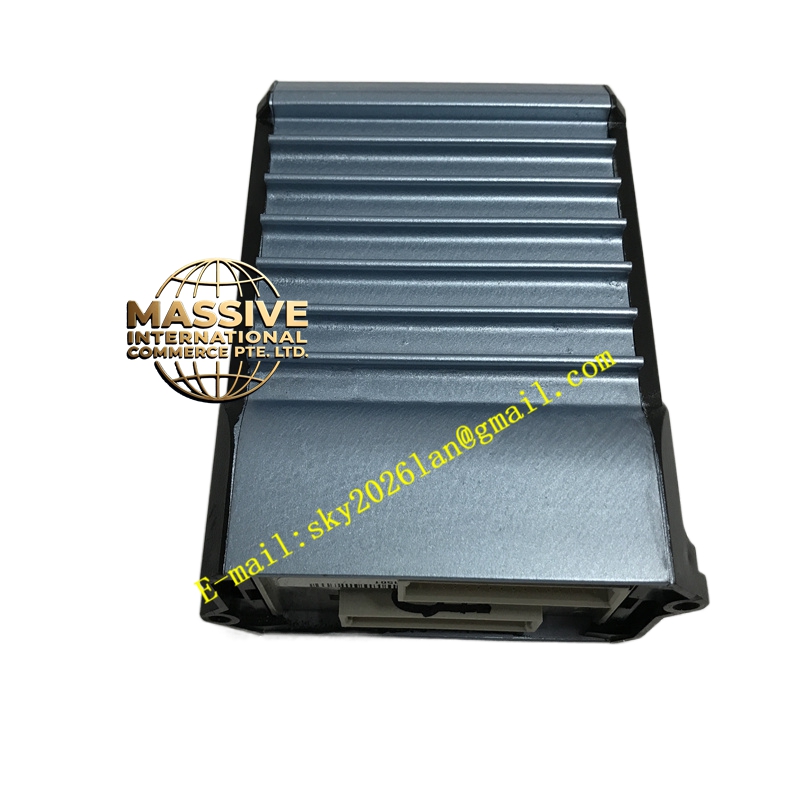
- Robust extruded aluminum enclosure for physical protection
- Front-panel indicators for module and port status
- DIN-rail or panel-mount baseplate installation (via associated baseplate)
Working Principle: The Master and Tracker FBM231 modules connect to dual-port field devices through Terminal Assemblies, continuously exchanging data. Both modules receive and transmit messages; the Tracker mirrors the Master’s operation. The I/O driver executes protocol-specific data exchange, and the system compares data consistency. If a fault is detected, role switchover occurs automatically or is initiated by the operator, maintaining continuous communication without process interruption. Installation Requirements:
- Mount the FBM231 modules on a compatible DIN-rail or panel-mount baseboard
- Connect the four-port Terminal Assemblies to field devices using appropriate cabling (shielded for )
- Configure each port for the correct electrical standard and protocol using Foxboro engineering tools
- Verify wiring, termination, and addressing for multi-drop RS-485 segments
Usage Notes:
- Ensure that the connected devices are compatible with the configured serial standards and protocols
- Use shielded, grounded cabling for RS-485 to minimize noise
- Periodically verify diagnostics and communication health indicators
- During replacement, observe correct Master/Tracker assignment to avoid unintended role conflicts