


Description
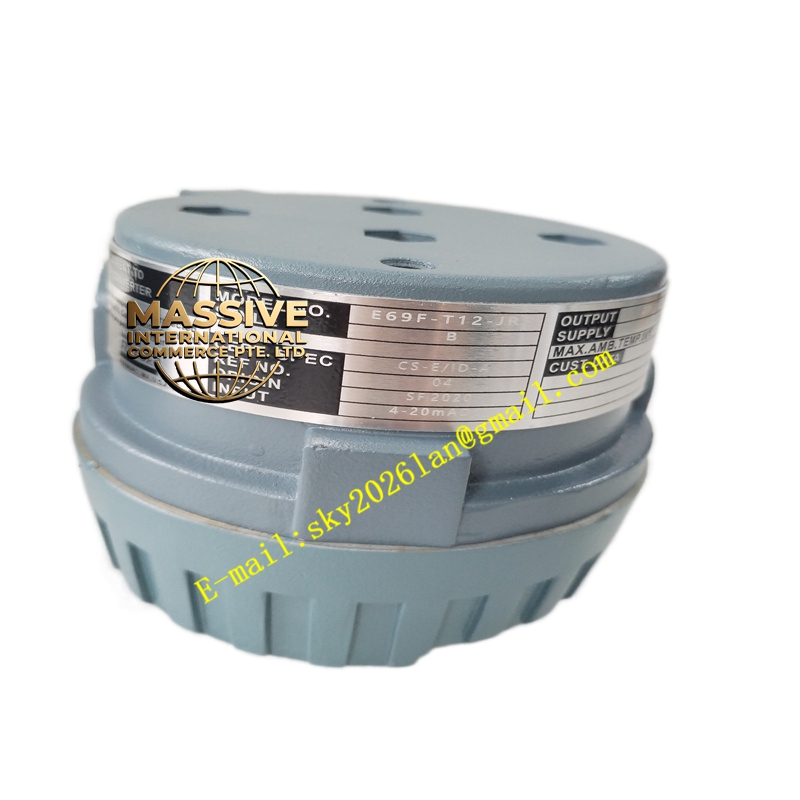
Foxboro E69F-T12-JRS
- Technical Specifications:
- Input Type: Pneumatic (air)
- Input Range: Typical pneumatic ranges (e.g., 3–15 psi, 20–100 kPa; confirm per specific configuration)
- Output Type: Electrical (e.g., 4–20 mA, voltage outputs; verify per datasheet)
- Accuracy: High accuracy for proportional conversion; exact tolerance per datasheet
- Supply Voltage: Typically 24 V DC (depending on configuration; confirm per data sheet)
- Operating Temperature: 25 °C to +60 °C (typical for industrial converters)
- Environmental: Designed to minimize influence from atmospheric conditions
- Protection: Enclosure rated IP65 and NEMA Type 4 (per some listings)
- Functional Features:
- Converts pneumatic signals to electrical signals with high precision
- Self-diagnostic and protection functions to indicate faults and protect the system
- Compact structure, convenient installation, and versatile application support
- Supports remote control and monitoring capabilities
- Application Scenarios:
- Process control in chemical, petrochemical, and pharmaceutical industries
- Integration of pneumatic field instruments with electronic control systems
- Environments requiring high precision and reliability in signal conversion
- Performance Parameters:
- Provides stable and accurate signal conversion, ensuring control system stability
- Designed to minimize environmental impact and maintain performance over industrial ranges
- Material and Structural Characteristics:
- Housing: Cast aluminum alloy with low copper content and epoxy powder coating
- Mounting: Designed for valve yoke, surface, or pipe mounting (DN 50/2 inch typical)
- Weight: Approximately 2.3 kg (5 lb)
- Terminals: Electrical interface via 1/2 inch conduit with shielded cables; pneumatic interface via 1/4 NPT
- Working Principle:
- A pneumatic input acts on a mechanical sensing mechanism within the converter, producing a displacement proportional to the input pressure. This displacement is transduced into an electrical signal by sensing elements, which is conditioned and output as a proportional current or voltage signal.
- Installation Requirements:
- Mount securely using appropriate hardware; orientation is typically vertical unless otherwise specified
- Connect pneumatic supply and output lines per piping diagrams
- Route electrical cables using shielded twisted pairs in conduit to avoid interference
- Provide proper supply voltage within specified ranges
- Usage Notes:
- Do not exceed maximum pressure and electrical ratings
- Perform periodic checks of mechanical and electrical connections
- Ensure enclosure seals remain intact to maintain protection ratings
- Follow manufacturer instructions for configuration and calibration