


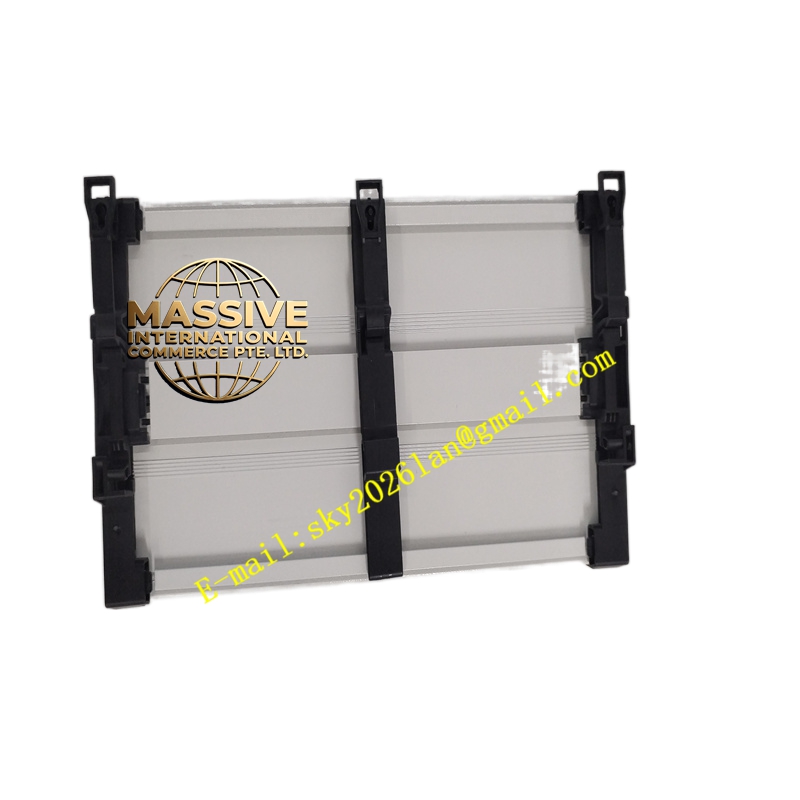
Description
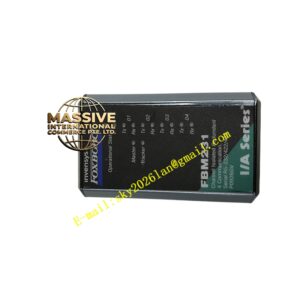
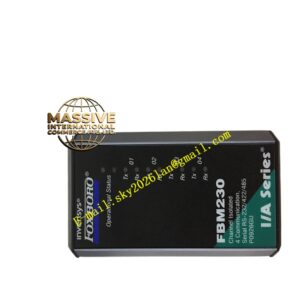
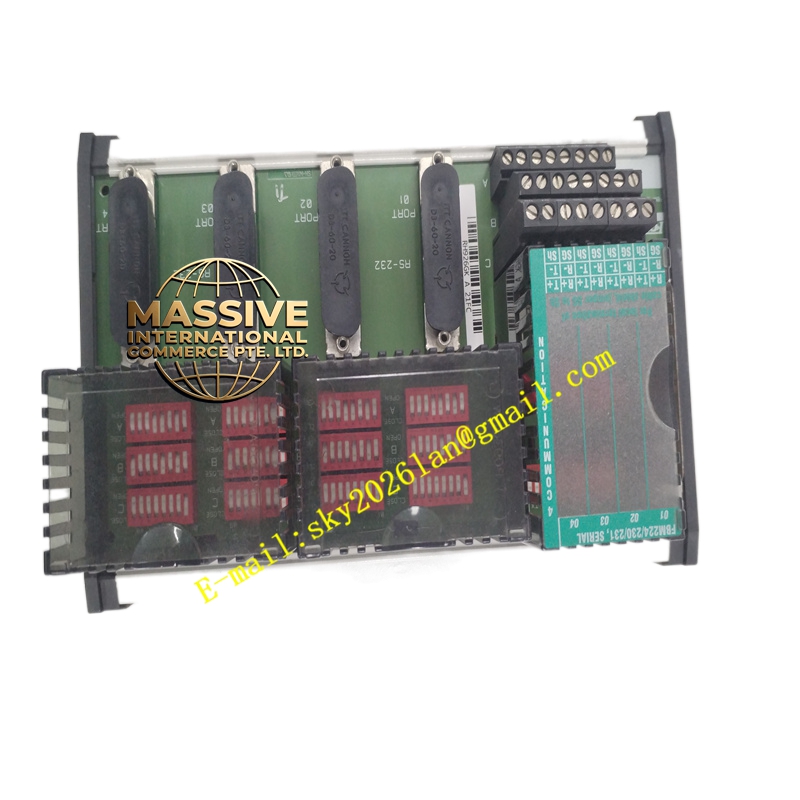
Foxboro RH926GK
Technical Specifications:
- Type: RTD Input Assembly
- Associated Module: FBM203
- Sensor Support: Pt100 (Class A/B) and others
- Wiring: 2-wire, 3-wire, or 4-wire support
- Environmental Rating: G3
- Operating Temperature: -40 °C to +70 °C
Functional Features:
- Versatile wiring options for different sensor availability
- High-precision terminal screws
- Integrated temperature compensation circuit support
- Protection against reverse polarity and overvoltage
Application Scenarios:
- General temperature monitoring in HVAC systems
- Food and beverage processing temperature control
- Environmental monitoring in pharmaceutical plants
Performance Parameters:
- High measurement accuracy repeatability
- Low power dissipation to prevent self-heating
- Durable construction for long service life
Material and Structural Characteristics:
- Flame-retardant housing material
- Tin-plated copper terminals for low contact resistance
- Molded strain reliefs for incoming cables
Working Principle:
The assembly connects the RTD sensor to the input module’s bridge circuit. By providing a stable connection path, it ensures that the resistance variations caused by temperature changes are accurately transmitted to the measurement electronics without interference from external noise or connection resistance.
Installation Requirements:
- Verify the sensor type and wiring configuration before installation
- Use torque drivers to ensure consistent terminal pressure
- Label all sensor connections clearly
Usage Notes:
- Keep terminals clean and free of debris
- Perform calibration checks against a reference sensor periodically
- Avoid mechanical stress on the terminal assembly during wiring