


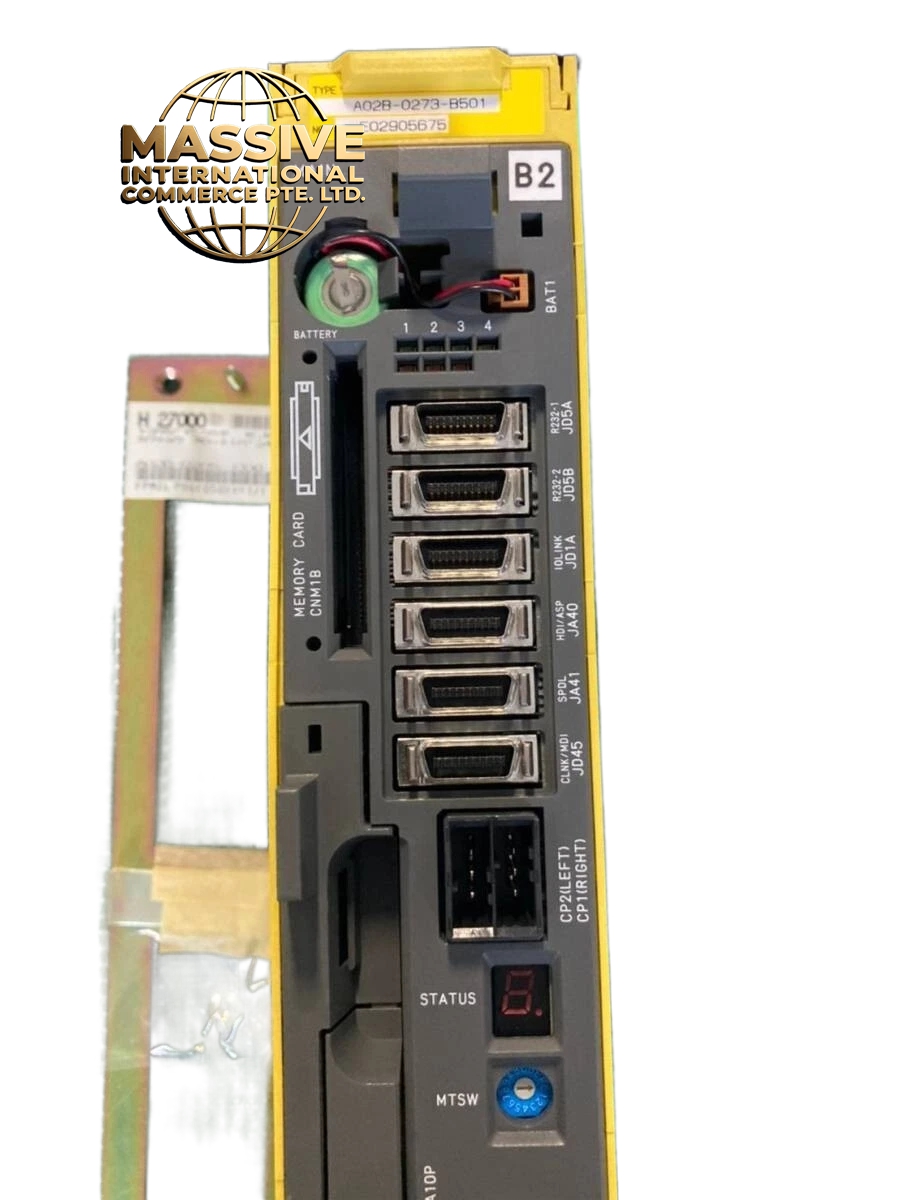
Description
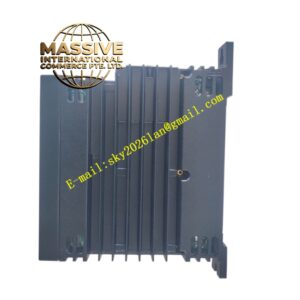
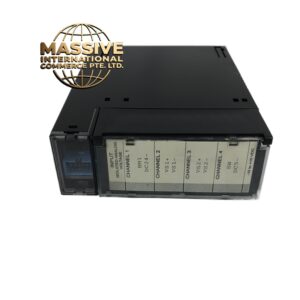
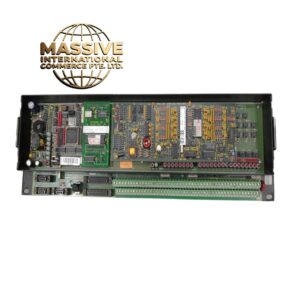
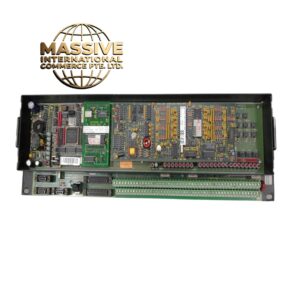
GE 029.38089610 ML101800034 Technical Specifications:
- Part Identifiers: 029.38089610 / ML101800034.
- Contact Configuration: Multi-pole contact arrangement (e.g., SPDT, DPDT, or 3-pole power contacts depending on specific variant).
- Coil Voltage: Standard industrial control voltage (e.g., 24V DC, 120V AC, or 240V AC).
- Contact Rating: High-current capacity suitable for motor starting and resistive/inductive loads.
- Mechanical Life: High-cycle rating for long-term operational durability.
Functional Features:
- Remote Switching: Enables safe, remote control of high-voltage equipment from low-voltage control panels.
- Signal Amplification: Amplifies weak control signals to drive heavy loads such as motors, heaters, and lighting banks.
- Circuit Isolation: Electrically isolates the control circuit from the high-power load circuit, protecting operators and sensitive electronics.
- Auxiliary Contacts: Provides auxiliary feedback contacts for interlocking and status indication in complex control logic.
Application Scenarios:
- Motor Control Centers (MCCs): Starting, stopping, and reversing industrial AC/DC motors.
- Power Distribution: Switching capacitor banks, transformers, and main feeders.
- Process Automation: Controlling solenoid valves, pneumatic actuators, and conveyor systems.
- Safety Circuits: Executing emergency stop (E-Stop) logic and safety interlocks.
Performance Parameters:
- Response Time: Fast make-and-break action for precise timing in control sequences.
- Dielectric Strength: High insulation resistance to prevent arcing and electrical tracking between contacts.
- Contact Resistance: Low and stable contact resistance to minimize voltage drop and heat generation during operation.
Material Composition & Structural Characteristics:
- Contacts: Silver-alloy contact points designed to resist welding, pitting, and oxidation under high electrical stress.
- Coil: Copper wire coil with high-temperature enamel insulation and an iron core for efficient magnetic flux generation.
- Housing: Flame-retardant, high-impact thermoplastic enclosure providing excellent electrical insulation and mechanical protection.
- Arc Suppression: Integrated arc chutes or magnetic blowouts to safely extinguish arcs during contact separation.
Working Principle: When the control voltage is applied to the coil, it generates a strong electromagnetic field. This magnetic force attracts a movable iron armature against the tension of a return spring. The mechanical movement of the armature physically forces the electrical contacts to close (or open), completing (or breaking) the high-power load circuit. When the coil is de-energized, the spring returns the armature to its resting state.
Installation Requirements:
- Orientation: Install in the upright position as specified by the manufacturer to ensure proper mechanical operation and arc extinguishing.
- Wiring: Use wire crimps or ferrules on stranded wire to prevent fraying under screw terminals. Ensure proper torque to avoid hot spots.
- Environment: Avoid mounting in areas with excessive shock, vibration, or ambient temperatures exceeding the device’s rating.
- Interlocks: Wire auxiliary contacts correctly to provide accurate feedback to the PLC or control relay.
Usage Precautions:
- Inrush Current: Account for the high inrush current of motors and transformers when selecting the appropriate contact rating.
- Inductive Loads: Always install RC snubbers or flyback diodes across inductive loads to suppress voltage spikes and prolong contact life.
- Maintenance: Periodically inspect contacts for carbon buildup, pitting, or welding. Replace the unit if contact degradation exceeds safe limits.
- Safety: Always verify that the load is de-energized before servicing the relay or contactor.