


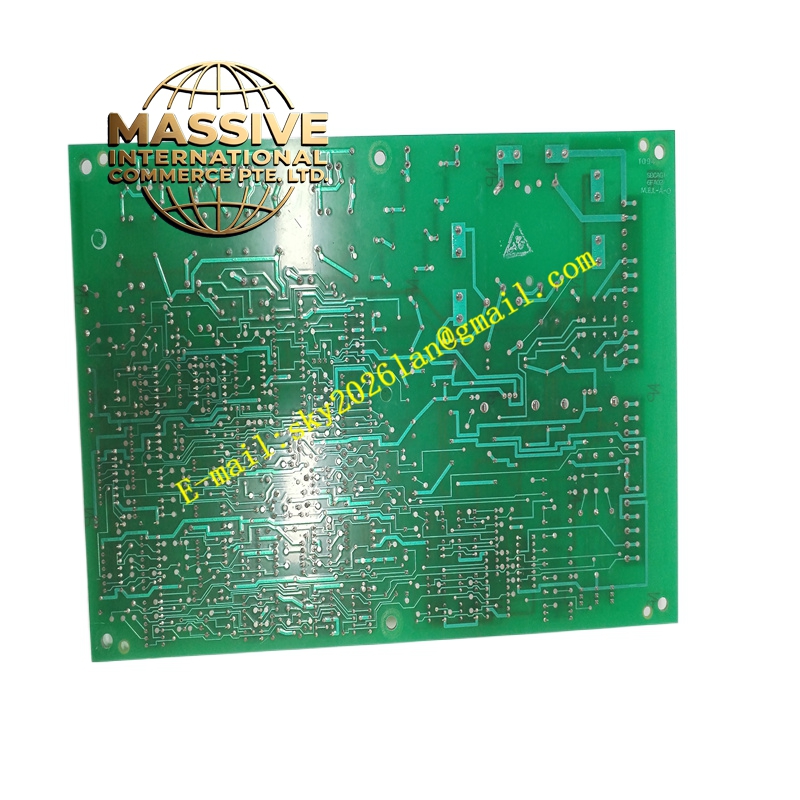
Description
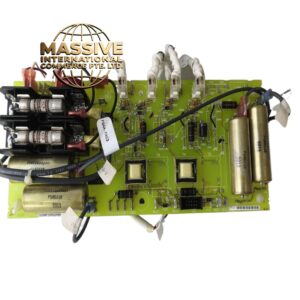
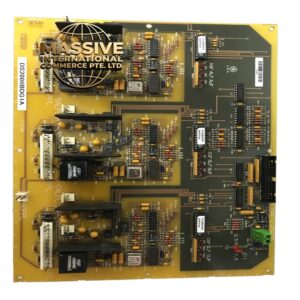
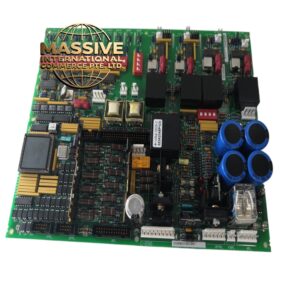
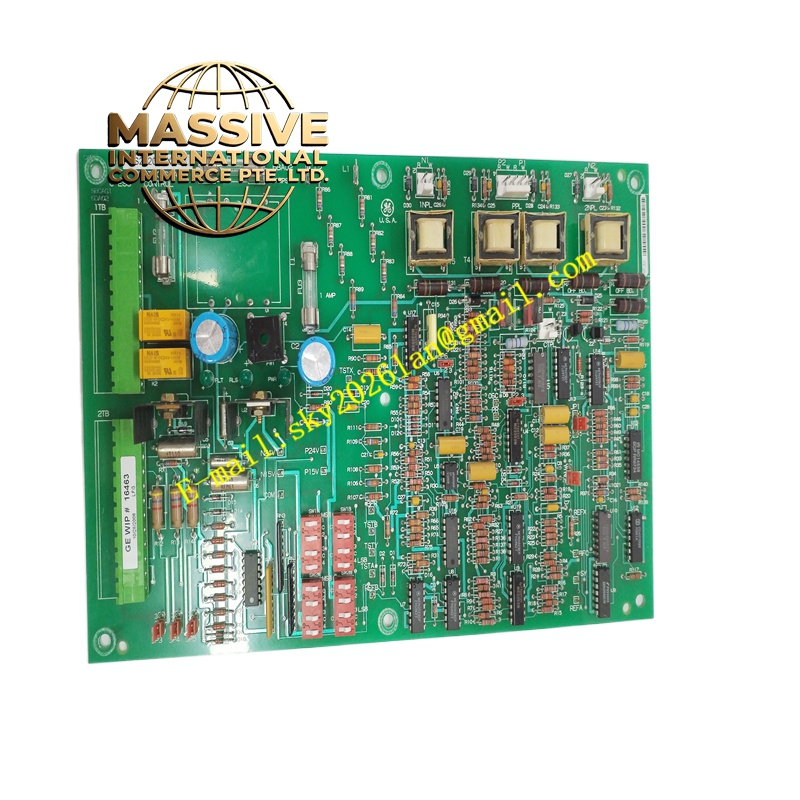
GE DS2020BRCAG3
Technical Specifications:
- Brand: General Electric (GE)
- Model: DS2020BRCAG3
- Product Type: RST Analog I/O Board (TCQA)
- System Series: Mark V Gas Turbine Control System
- Hardware Jumpers: J1/J2 (mA output circuit selection), J5/J6 (20 mA or 200 mA range), J7 (RS232 card test), J8 (Oscillator start)
Functional Features:
- Signal Conditioning: Accurately scales and conditions 4-20 mA input signals, such as compressor stall detection and fuel flow pressure.
- Multi-Signal Processing: Handles LVDT inputs, servo valve outputs, thermocouple inputs, vibration inputs, relay driver outputs, pulse inputs, and generator/line signals.
- Data Bus Communication: Transfers conditioned signals to the COREBUS via the 3PL connector and communicates generator/line signals with the TCQC board via the JE connector.
Application Scenarios:
Exclusively deployed in GE Mark V gas turbine control systems for real-time monitoring, signal processing, and actuator control in power generation facilities.
Performance Parameters:
Supports high-precision analog signal scaling, reliable 4-20 mA current loop transmission, and fast data bus communication speeds.
Material Composition:
Manufactured using industrial-grade printed circuit boards (PCBs) with high-quality electronic components designed to withstand continuous thermal and electrical stress.
Structural Characteristics:
Features multiple specialized connectors including 2PL (power distribution), 3PL (data bus), JA (thermocouple inputs), JB/JBR (4-20 mA I/O), JD (trip signals), JE (pulse/servo/relay signals), JF/JFR (LVDT position inputs), and JG (DC/vibration inputs).
Working Principle:
Acquires raw analog signals from field sensors via terminal boards, applies hardware-configured scaling and conditioning, and routes the processed digital or analog data to the system core via the VME backplane for turbine control logic execution.
Installation Requirements:
Must be securely seated into the designated I/O core slot. Hardware jumpers must be configured strictly according to the application requirements before powering up the system.
Usage Precautions:
Always observe ESD precautions during handling. Ensure all connector pins are inspected for damage prior to mating. Never alter jumper settings while the system is energized.