


Description
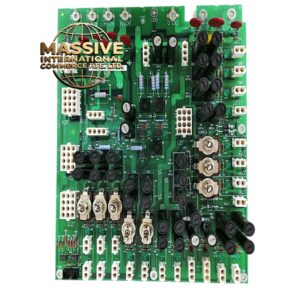
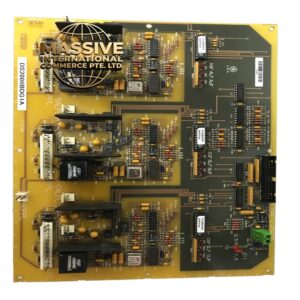
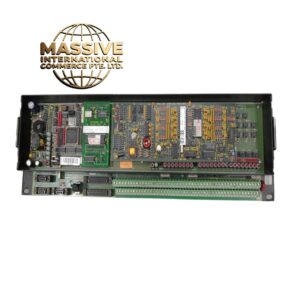
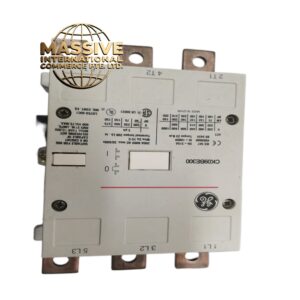
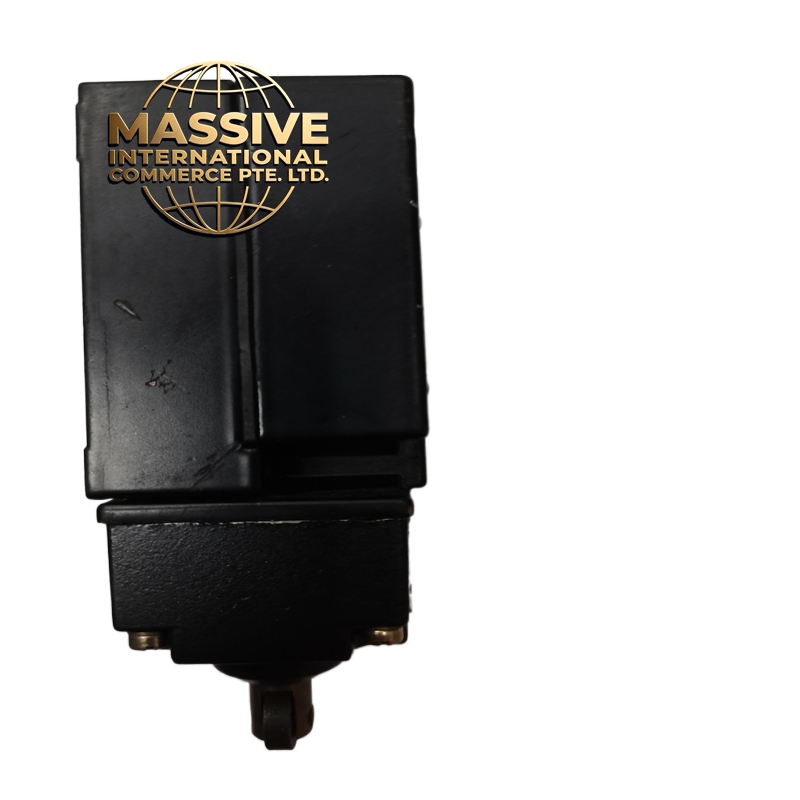
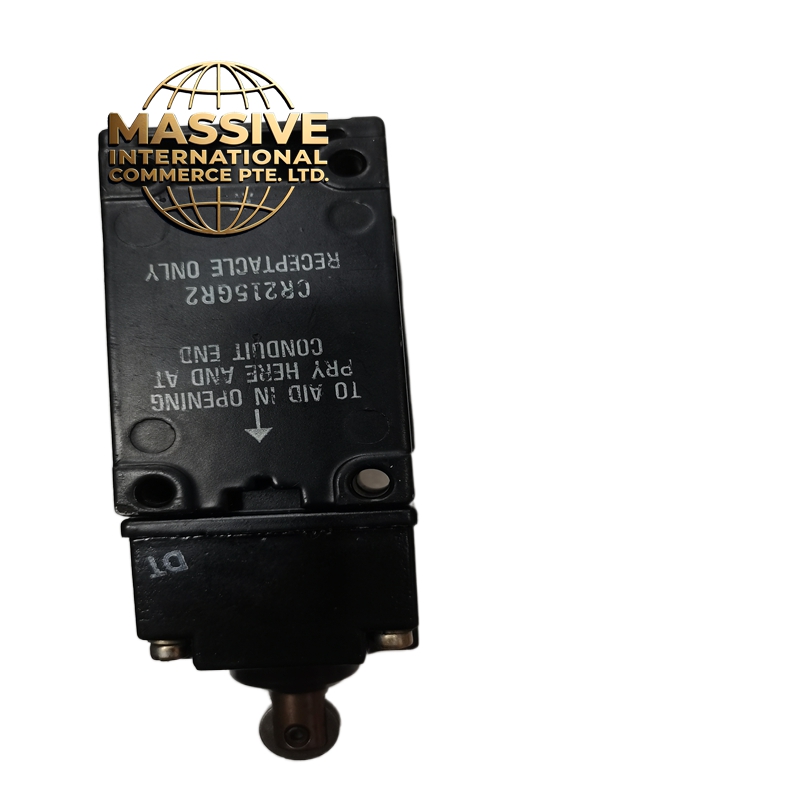
GE CR215GH87
Technical Specifications:
- Monitoring Function: Phase sequence, phase loss, under-voltage, over-voltage, phase imbalance
- Voltage Range: 100V to 240V AC (three-phase, three-wire or four-wire)
- Frequency Range: 45Hz to 65Hz
- Accuracy: ±2% of setpoint
- Under-Voltage Pickup: 50V to 90V AC (adjustable via front panel potentiometer)
- Over-Voltage Pickup: 130V to 270V AC (adjustable via front panel potentiometer)
- Time Delay: 0.1s to 30s (adjustable via front panel potentiometer)
- Phase Loss Detection: Detects loss of any one phase within 0.5s
- Phase Sequence Detection: Detects reverse sequence (L1-L3-L2) and opens contact
- Contact Output: 2 changeover relays (8A at 250V AC)
- Auxiliary Contact: 1 NO + 1 NC (for status indication)
- Operating Temperature: -25°C to +70°C
- Storage Temperature: -40°C to +85°C
- Humidity: 5% to 95% non-condensing
- Dimensions: Approximately 90mm x 53mm x 105mm (H x W x D)
- Weight: Approximately 0.25kg
- Mounting: DIN rail (35mm) or panel mount with screws
- Enclosure Rating: IP40 (front panel), IP20 (terminal area)
- Standards: IEC 60255, EN 60255, UL 508, CE marked
Functional Features:
- Front panel potentiometers allow adjustment of under-voltage, over-voltage, and time delay without opening the enclosure
- LED indicators for each phase (L1, L2, L3) show voltage presence (green = normal, red = fault)
- LED for relay output status (green = relay energized, red = relay de-energized)
- Phase sequence LED shows correct (green) or reverse (red) rotation
- Manual reset or auto-reset selectable via DIP switch
- Test button simulates a phase loss condition for verification
- Auxiliary contact provides remote status to PLC or SCADA
Application Scenarios:
- Three-phase motor protection against phase loss (pump stations, compressors)
- HVAC compressor protection in commercial buildings
- Generator start-up interlocking (prevents start if voltage is abnormal)
- Elevator and escalator motor protection
- Welding machine protection (phase loss causes overheating)
- Agricultural irrigation pump protection
Performance Parameters:
- Response Time: Less than 100ms for phase loss detection
- Reset Time: Less than 50ms after voltage returns to normal
- Power Consumption: Less than 3VA at 230V AC
- Insulation Resistance: Greater than 100MΩ at 500V DC
- Dielectric Strength: 2000V AC for 1 minute (between circuits)
- MTBF: Greater than 100,000 hours at 25°C
Material Composition:
- Housing: Flame-retardant polycarbonate (UL94 V-0)
- Front Panel: Polycarbonate with laser-etched labels
- Terminals: Copper alloy with tin plating
- PCB: FR-4 epoxy glass with conformal coating
- Potentiometers: Sealed multi-turn trimmers (dust and moisture resistant)
Structure Features:
- DIN rail mount with snap-in clips
- Front panel accessible for all adjustments (no need to open enclosure)
- Clear terminal labeling: L1, L2, L3, N for voltage inputs; 11, 12, 14 for relay outputs
- Removable terminal cover for safe wiring
- Test button recessed to prevent accidental activation
Working Principle: The relay continuously samples the three-phase voltages via the L1, L2, L3 inputs. It calculates the RMS voltage of each phase, the phase-to-phase voltages, and the phase sequence. If any phase voltage drops below the under-voltage setting for longer than the time delay, or if any phase is lost, the relay de-energizes its output contacts, sending a trip signal to the motor starter. If the phase sequence is reversed, the relay also trips. The over-voltage function operates similarly but trips when voltage exceeds the over-voltage setting. Installation Requirements:
- Connect L1, L2, L3 to the three-phase supply (observe correct phase sequence)
- Connect N if using four-wire system (not required for three-wire)
- Connect relay outputs (11, 12, 14) to the motor starter coil or PLC input
- Set under-voltage, over-voltage, and time delay using front panel potentiometers
- Select manual or auto-reset using the DIP switch
Usage Notes:
- Set under-voltage threshold to 80% of nominal motor voltage (e.g., 192V for a 240V motor)
- Set time delay to 2 to 5 seconds for motor applications (avoids nuisance trips during brief dips)
- Always verify phase sequence before energizing the motor
- Use the test button monthly to verify relay operation