


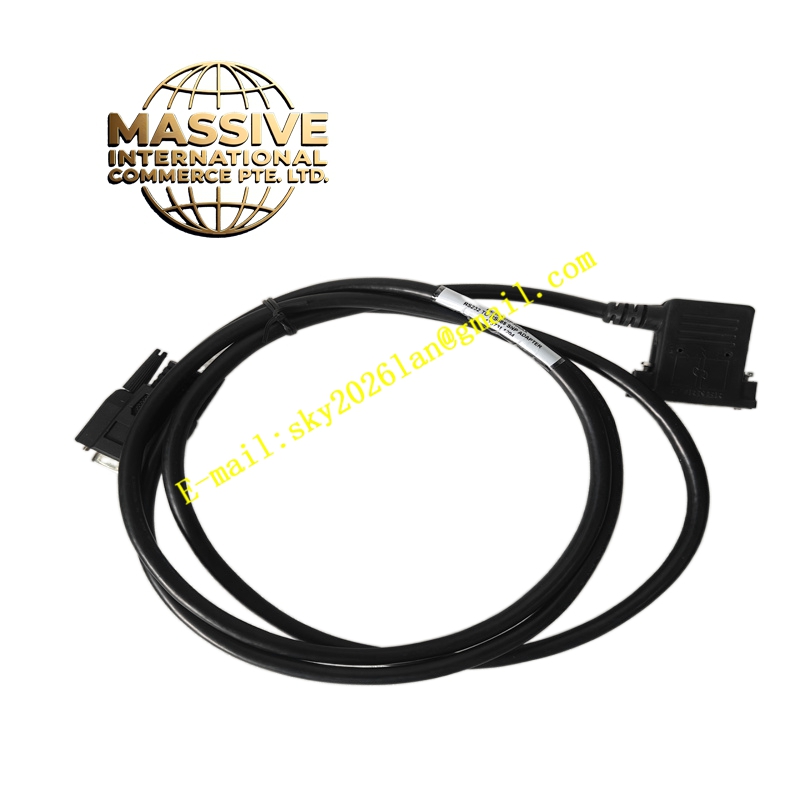
Description
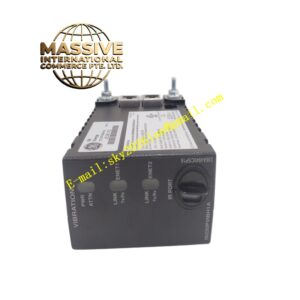
GE HE693SNP306AX
Technical Specifications:
-
Communication Ports: 2 serial ports configurable for RS-232 or RS-485
-
Baud Rates: 300, 600, 1200, 2400, 4800, 9600, 19200, 38400, 57600, 115200 bps
-
Data Format: 7 or 8 data bits; 1 or 2 stop bits; odd, even, or no parity
-
Protocols: Modbus RTU Master/Slave, SNP (Series Ninety Protocol), CCM (Communication Control Module)
-
Buffer Memory: 32KB dedicated communication buffer
-
Power Consumption: 5V DC at 400mA from backplane
-
Isolation: 1500V AC port-to-port and port-to-logic isolation
-
Dimensions: Single-slot Series 90-30 module
Functional Features:
-
Autonomous protocol processing with dedicated microprocessor
-
Master and slave operation modes simultaneously on different ports
-
Message queue management for up to 256 pending transactions
-
Automatic retry mechanism with configurable retry count
-
Real-time clock synchronization capability
-
Diagnostic counters for transmitted, received, and error frames
-
Flash-upgradable firmware for protocol expansion
Application Scenarios:
-
SCADA system integration for water treatment facilities
-
Building automation BACnet gateway functionality
-
Variable frequency drive (VFD) parameter monitoring and control
-
Weigh scale and barcode scanner data acquisition
-
Remote terminal unit (RTU) communication in oil and gas pipelines
-
Printer and operator interface panel connectivity
Performance Parameters:
-
Maximum Throughput: 1000 messages per second at 115200 bps
-
Response Time: Less than 5 milliseconds for local rack processing
-
Communication Distance: RS-485 up to 1200 meters; RS-232 up to 15 meters
-
Error Detection: CRC-16 for Modbus; BCC for SNP protocol
Structural Characteristics:
-
Dual DB-9 connector front panel for easy serial cable connection
-
Removable terminal block alternative for RS-485 wiring
-
Status LED indicators for TX, RX, and error conditions per port
-
Conformal coated electronics for humid environments
Working Principle: The module contains an independent 16-bit microprocessor that manages all serial communication tasks. When the main PLC CPU requires data from an external device, it writes the request parameters to the module’s shared memory buffer. The communication processor then constructs the appropriate protocol frame, transmits it via the configured serial port, waits for the response, validates the received data using CRC or checksum verification, and places the validated data back into the shared buffer for CPU access. This architecture allows the main PLC to focus on control logic while the module handles time-consuming communication protocols.
Installation Requirements:
-
Insert into any available slot in the Series 90-30 rack
-
Configure port parameters using the programming software before operation
-
Install surge protectors for RS-485 lines running between buildings
-
Use shielded cables with proper grounding for noise immunity
-
Ensure proper slot addressing to avoid conflicts with other intelligent modules
Usage Precautions:
-
Do not hot-swap the module while serial communication is active
-
Verify baud rate and protocol settings match the connected device exactly
-
Use terminating resistors (120 ohm) at both ends of RS-485 networks
-
Avoid ground loops by using isolated power supplies for external devices
-
Update firmware only when communication is not critical to process operation