


Description
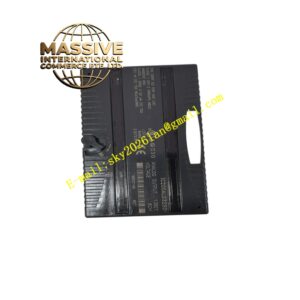
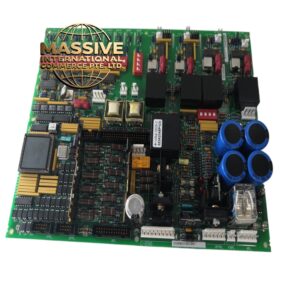
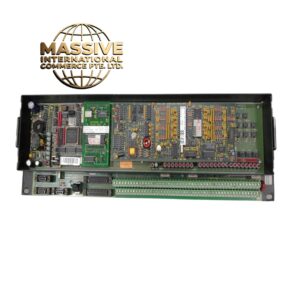
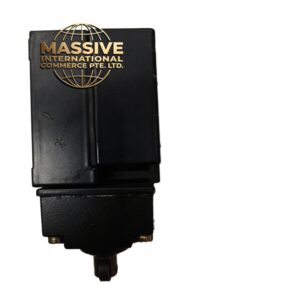
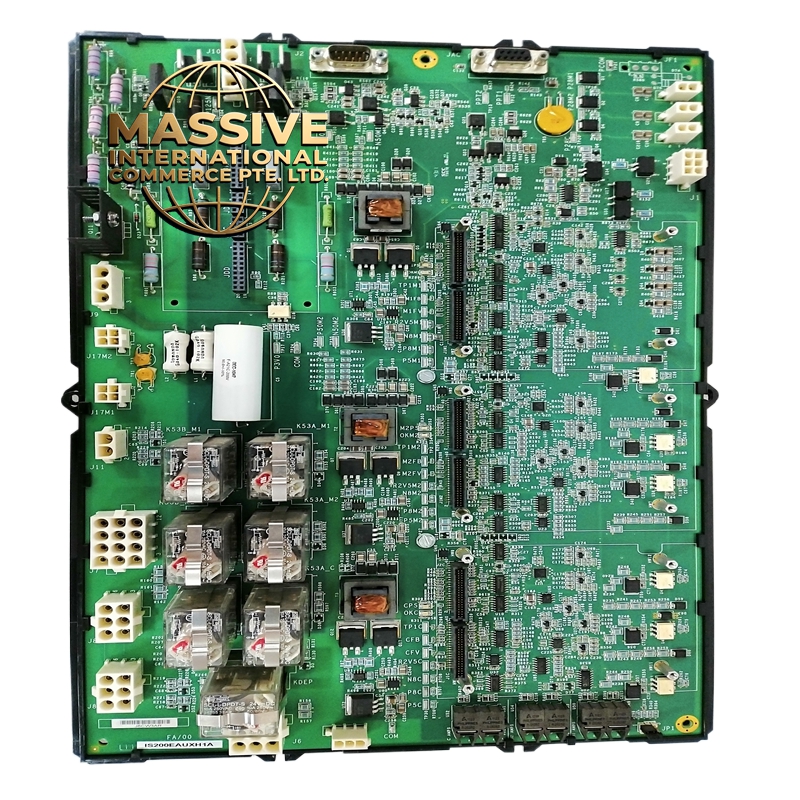
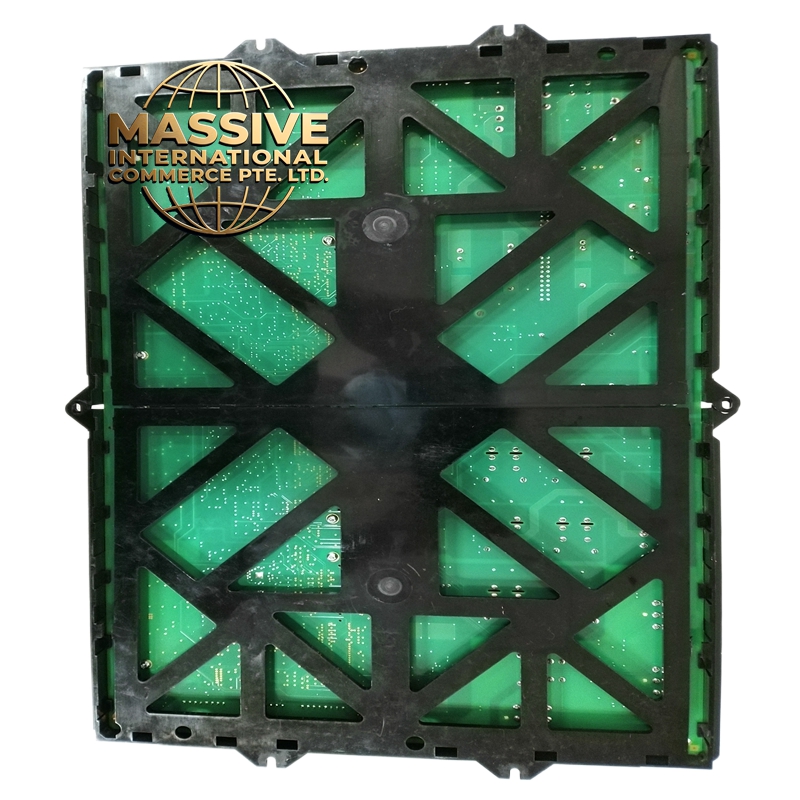
GE IS200EAUXH1A
Technical Specifications: Operates as an integrated component within the Mark VI architecture, communicating via the internal R/S/T IONet at high speeds. Designed for low-voltage DC internal power distribution and high-speed data exchange with the main processor.
Functional Features: Manages auxiliary inputs and outputs, processes secondary sensor data, and executes logic for supporting systems such as lubrication, cooling, valve actuation, and auxiliary pump control. It acts as a vital bridge between the main controller and peripheral equipment.
Application Scenarios: Exclusively used in heavy-duty gas and steam turbine control systems for power generation and mechanical drive applications. It is critical in combined-cycle power plants where multiple auxiliary systems must be synchronized with the main turbine.
Performance Parameters: Engineered for high reliability with deterministic response times suitable for critical turbine protection and control sequences. It features redundant communication paths to ensure continuous operation even in the event of a network fault.
Material Composition & Structural Characteristics: Features a multi-layer printed circuit board with conformal coating to protect against moisture, dust, and corrosive gases typical in power plant environments. Components are selected for long-term stability and minimal drift.
Installation Requirements: Must be installed in the designated auxiliary slot on the Mark VI control rack. Requires proper seating and secure locking mechanisms. Ribbon cables must be routed without sharp bends to prevent signal degradation.
Usage Precautions: Never insert or remove this board while the system is energized. Ensure all electrostatic precautions are followed, and verify configuration software matches the physical hardware revision. Always back up system configuration before replacing this board.