


Description
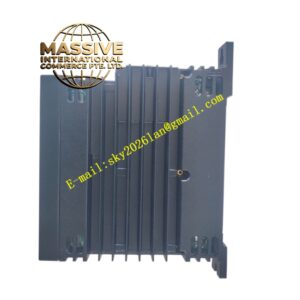
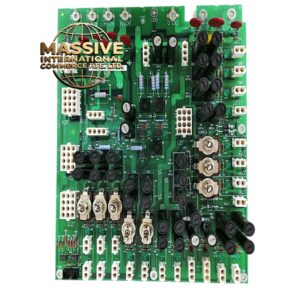
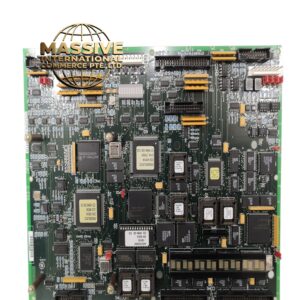
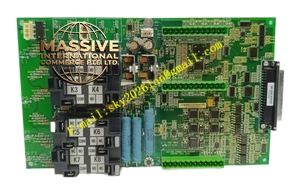
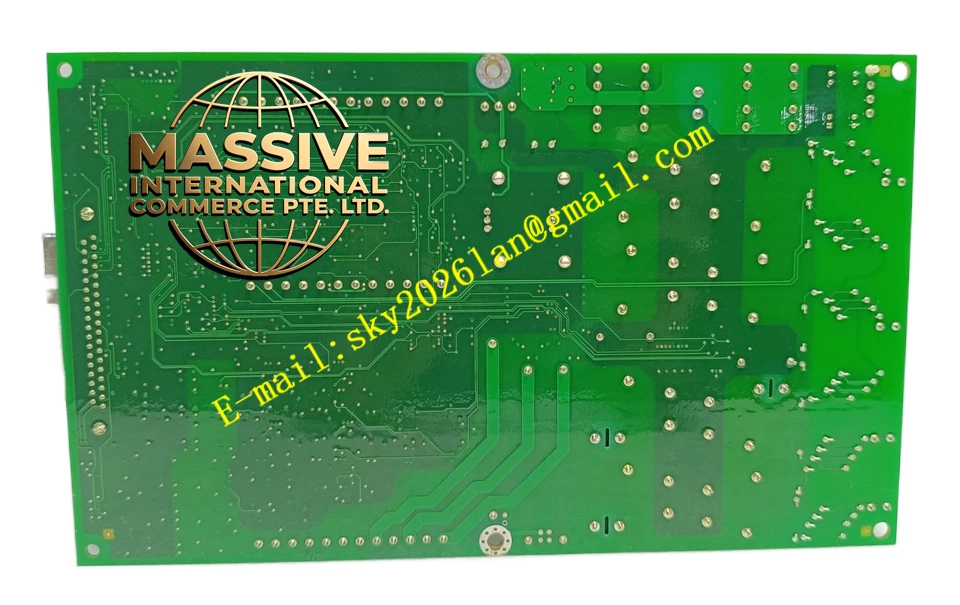
GE IS200ESYSH2AAA
Technical Specifications:
- Brand: General Electric (GE)
- Model: IS200ESYSH2AAA
- Product Type: Exciter Synchronization Board
- System Compatibility: GE Mark VI Speedtronic Control System
Functional Features:
- Precise Synchronization: Monitors and controls the phase, frequency, and voltage matching between the exciter and the grid to ensure seamless synchronization.
- Signal Conditioning: Processes analog and digital signals from various sensors to provide accurate feedback to the main controller.
- Fault Detection: Continuously monitors the synchronization circuitry and triggers alarms if discrepancies exceed safe thresholds.
Application Scenarios:
Primarily deployed in power generation plants, specifically within the excitation control systems of synchronous generators and gas turbines.
Performance Parameters:
- Response Time: Microsecond-level signal processing for ultra-fast synchronization response.
- Accuracy: High-precision phase and voltage matching to prevent transient currents during grid connection.
Material Composition:
Manufactured with high-grade industrial PCB substrates and premium electronic components, featuring conformal coating to protect against moisture, dust, and corrosive gases.
Structural Characteristics:
Standard Mark VI board form factor with precision edge connectors, front panel status LEDs, and test points for easy diagnostics.
Working Principle:
The board continuously samples the generator and grid voltages. It calculates the phase difference and frequency slip, outputting precise control signals to the exciter’s thyristor bridge to adjust the field current until perfect synchronization is achieved.
Installation Requirements:
Must be inserted into the designated exciter control slot in the Mark VI rack. Ensure all grounding straps are securely fastened to prevent electromagnetic interference.
Usage Precautions:
Strictly adhere to ESD (Electrostatic Discharge) protocols during handling. Never insert or remove the board while the system is energized to avoid catastrophic damage to the sensitive synchronization circuits.