


Description
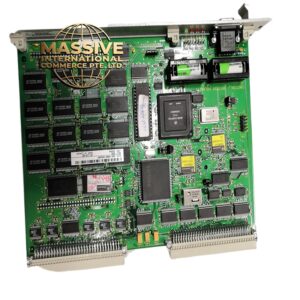
GE IS200VCMIH1B
Technical Specifications
- Part Number: IS200VCMIH1B
- Manufacturer: General Electric
- Series: Mark VI IS200
- Product Type: Communication Interface Card
- Board Type: Communication Interface
- Ethernet Type: IONet
- Applications: Simplex/TMR
- Link Layer Protocol: IEEE 802.3
- Cable Length: Less than or equal to 185 meters
- Manual Reference: GEH-6421Q
- Mounting: VME rack
Key Features
- IONet Ethernet communication interface
- Support for simplex and TMR system configurations
- IEEE 802.3 link layer protocol compliance
- Low-profile design for minimal rack space
- Convenient VME rack mounting
- Multiple Ethernet port configurations for different redundancy levels
Application Scenarios Gas turbine control systems, steam turbine management, combined cycle power plants, industrial turbine drives, generator control and protection, power generation facility automation
Performance Parameters
- Communication Protocol: IONet Ethernet
- Link Layer: IEEE 802.3
- Maximum Cable Length: 185 meters
- System Configurations: Simplex or TMR
Material Composition Industrial-grade printed circuit board with high-reliability electronic components. Components are selected for operation in the harsh thermal and electrical environments typical of power generation facilities.
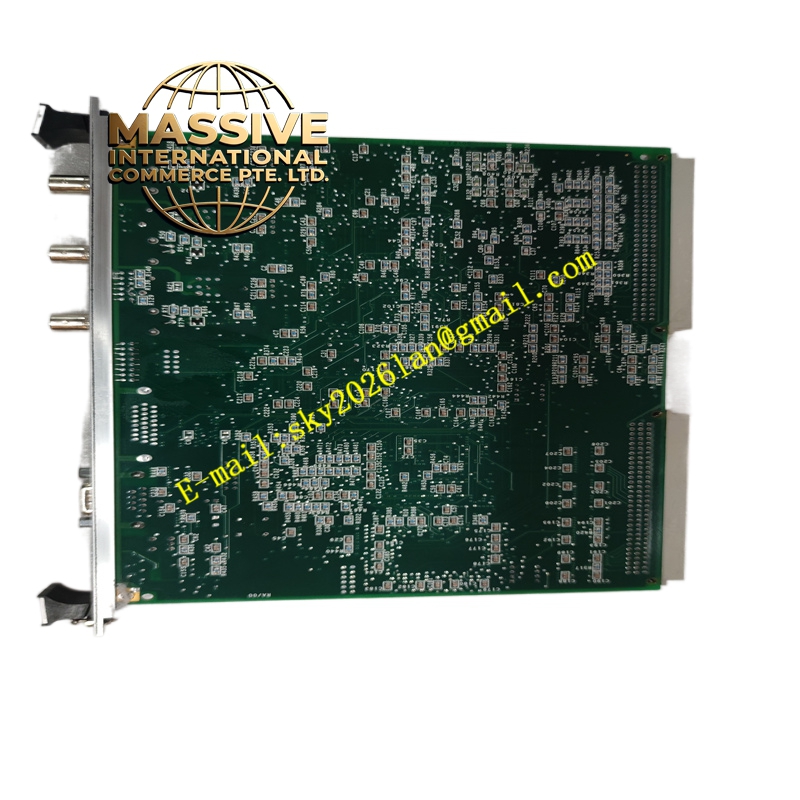
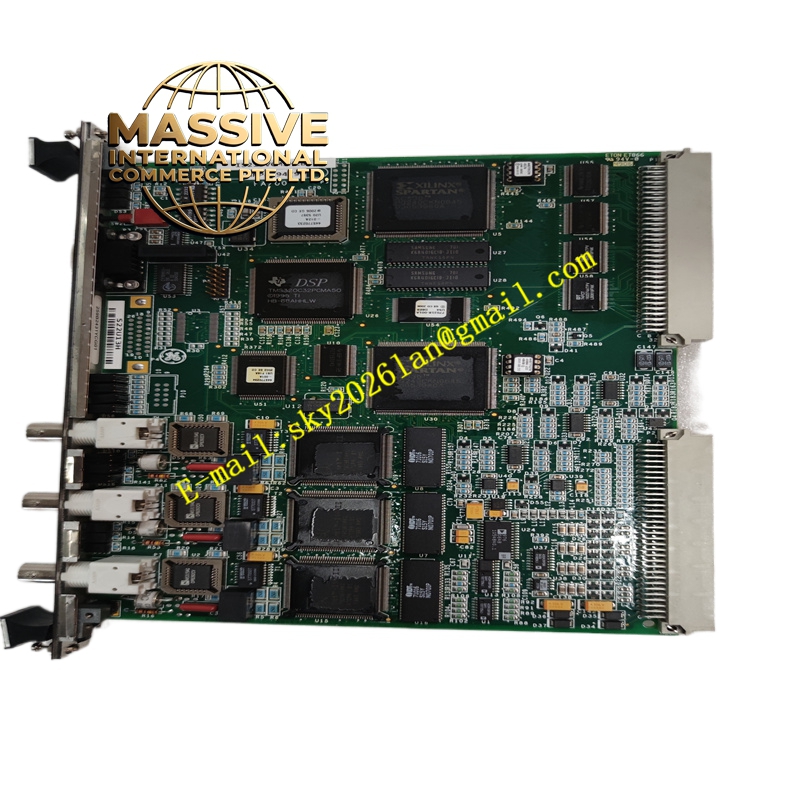
Structural Characteristics Low-profile board designed for VME rack mounting. The board features Ethernet connectors for IONet communication and status indicators for diagnostic purposes. The compact design minimizes installation space and disruption during setup.