



Description
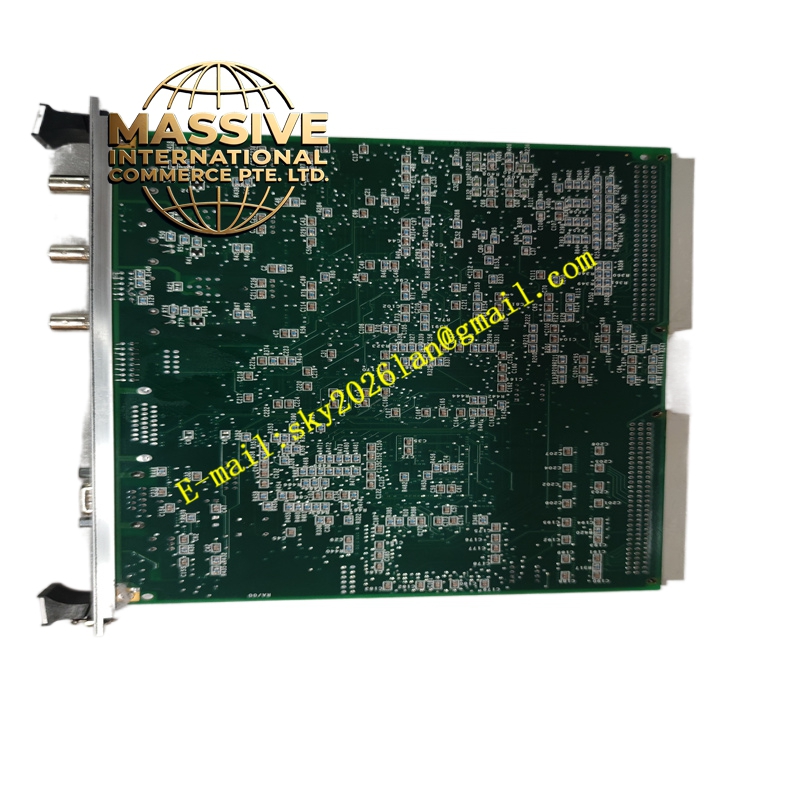
GE IS215VCMIH2CA / IS200VCMIH2CAA Technical Specifications:
- Manufacturer: General Electric.
- Product Line: VCMIH2 Series Communication Module.
- Compatibility: Cross-compatible within the VCMIH2 family (subject to firmware).
- Performance: Enhanced throughput and lower latency compared to earlier revisions.
Functional Features:
- Advanced Protocol Stack: Supports updated versions of industrial communication protocols.
- Redundant Communication: Supports redundant network paths for high availability.
- Diagnostics: Enhanced diagnostic capabilities for network troubleshooting.
- Backward Compatibility: Designed to work with existing system configurations.
Application Scenarios:
- Modernization of legacy control system communication.
- High-speed data acquisition for predictive maintenance.
- Integration with enterprise-level manufacturing execution systems (MES).
Material Composition & Structural Characteristics:
- Hardware Revision: Updated components for improved reliability and performance.
- Form Factor: Identical footprint to standard VCMIH2 modules for easy upgrades.
- Connectivity: Dual network ports for redundancy.
Working Principle: Operating similarly to the base VCMIH2 model, this module provides enhanced data processing and network management. It ensures deterministic communication, prioritizing critical control data while efficiently handling background data traffic.
Installation Requirements:
- Upgrade Path: Verify compatibility and upgrade procedures when replacing older VCMIH2 modules.
- Network Configuration: Reconfigure network settings to match the new module’s capabilities.
- Testing: Perform comprehensive network testing after installation.
Usage Precautions:
- Revision Check: Verify the exact hardware revision to ensure compatibility with the system software.
- Redundancy Testing: Test network failover mechanisms after installation.
- Documentation: Update system documentation to reflect the new module revision.