


Description
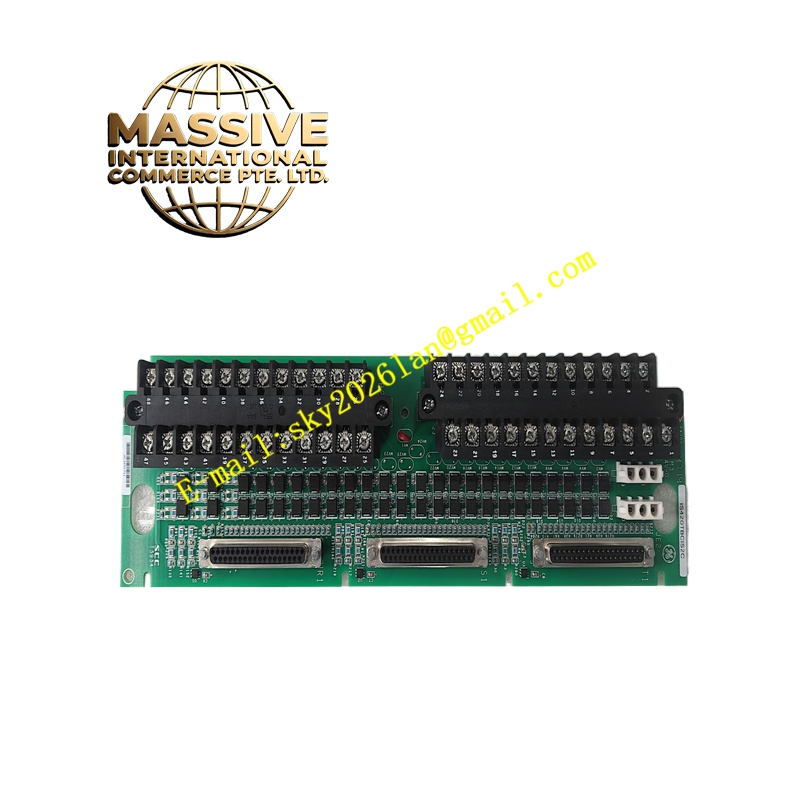
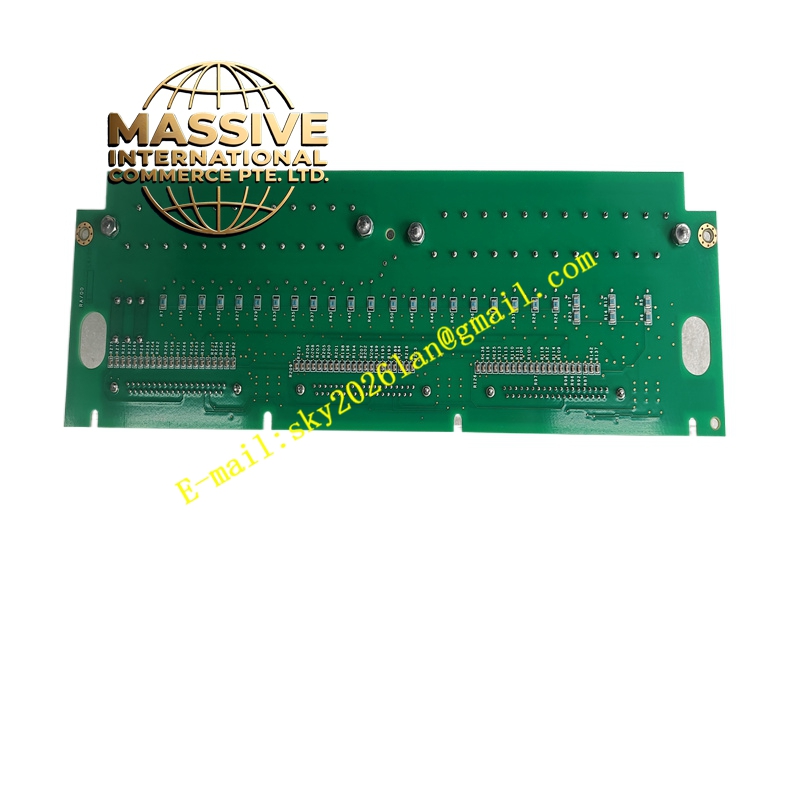
GE IS420TBCIS2C Technical Specifications:
- System Compatibility: Mark VIe / Mark VIeS Speedtronic Control System.
- Communication Protocol: Proprietary high-speed I/O bus and Ethernet.
- Network Topology: Supports redundant network configurations for maximum uptime.
- Data Transfer Rate: High-bandwidth backplane communication.
- Power Supply: Operates on standard industrial 24 VDC.
Functional Features:
- Redundant Data Paths: Provides dual-channel communication to eliminate single points of failure.
- Real-Time Data Transfer: Ensures deterministic, low-latency communication between I/O modules and the main processor.
- Hot-Swappable: Supports live replacement in redundant systems to minimize downtime.
- Advanced Diagnostics: Continuously monitors link status, packet errors, and communication integrity.
Application Scenarios:
- Gas and steam turbine control systems.
- Distributed I/O architectures in power generation plants.
- Critical industrial process control requiring high-availability communication.
Performance Parameters:
- Latency: Microsecond-level deterministic response time.
- Reliability: High Mean Time Between Failures (MTBF) designed for continuous 24/7 operation.
- Isolation: Galvanic isolation between communication ports and internal logic.
Material Composition & Structural Characteristics:
- Enclosure: Ruggedized industrial housing with EMI shielding.
- PCB Assembly: Multi-layer printed circuit board with conformal coating for harsh environments.
- Connectors: High-density, vibration-resistant backplane connectors.
- Indicators: Front-panel LEDs for link status, activity, and fault indication.
Working Principle: The IS420TBCIS2C receives data packets from local I/O packs via the internal backplane bus. It processes, buffers, and routes this data over the redundant Ethernet network to the main system controller. Conversely, it receives control commands from the controller and distributes them to the appropriate I/O packs. The module continuously validates data integrity using CRC checks and automatically switches to the redundant path if a communication fault is detected.
Installation Requirements:
- Slot Assignment: Install only in designated communication slots within the Mark VIe rack.
- Network Cabling: Use shielded, industrial-grade Ethernet cables for redundant network connections.
- Termination: Ensure proper network termination and grounding to prevent signal reflections.
- Software Configuration: Configure the module’s IP address and network parameters via the system configuration tool before commissioning.
Usage Precautions:
- Redundancy Check: Always verify that both redundant communication links are active before placing the system in service.
- ESD Protection: Use proper electrostatic discharge (ESD) precautions when handling the module.
- Firmware Matching: Ensure the module firmware is compatible with the system software version.
- Environmental Limits: Do not exceed the specified operating temperature and humidity ranges.