


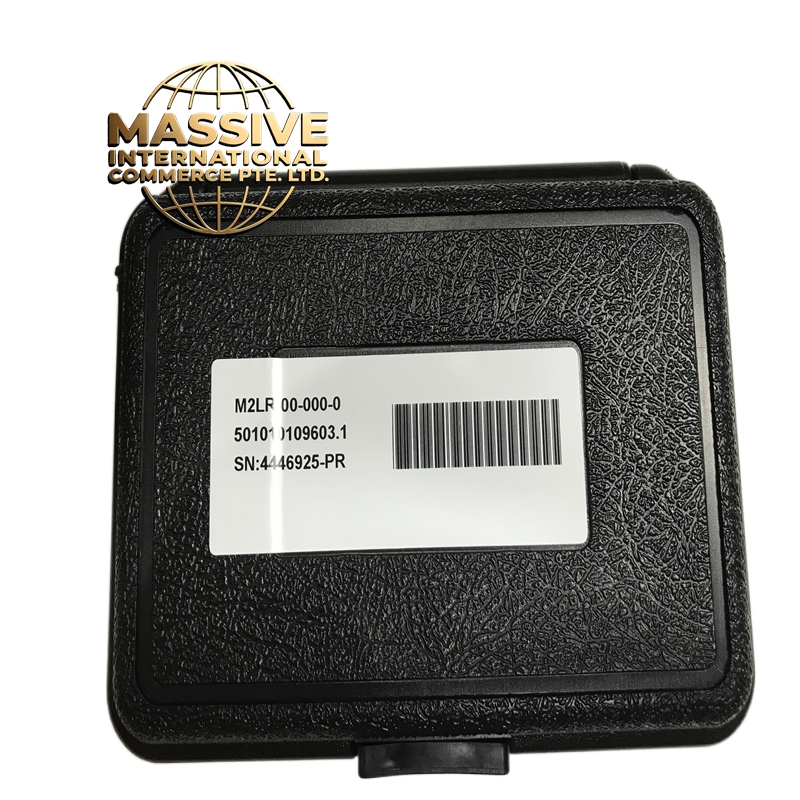
Description
GE M2LR-00-000-0 Technical Specifications:
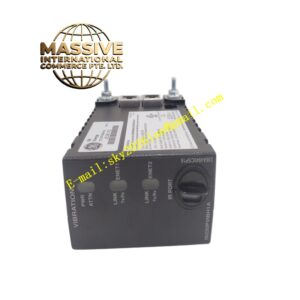
- Type: Relay / Motor Control Module.
- Contact Configuration: SPDT or DPDT (depending on variant).
- Voltage Rating: Compatible with standard industrial control voltages (24VDC, 120VAC, 240VAC).
- Current Rating: Rated for continuous industrial motor and solenoid loads.
- Form Factor: Plug-in modular design.
Functional Features:
- High-Capacity Switching: Designed to handle inrush currents of motors and solenoids.
- Electrical Isolation: Complete isolation between control coil and switched contacts.
- Visual Indication: Mechanical flag or LED to indicate relay status.
- Rugged Construction: Built to withstand industrial vibration and temperature extremes.
Application Scenarios:
- Motor starter and contactor coil control.
- Solenoid valve actuation in hydraulic and pneumatic systems.
- Alarm horn and beacon control.
- General-purpose industrial switching.
Material Composition & Structural Characteristics:
- Contacts: Silver-alloy contacts for high wear resistance and low contact resistance.
- Coil: High-temperature copper winding with epoxy encapsulation.
- Housing: Flame-retardant thermoplastic enclosure.
- Terminals: Screw or plug-in blade terminals for secure connections.
Working Principle: When the control circuit energizes the relay coil, it generates a magnetic field that mechanically moves the armature. This action closes or opens the contact points, switching the high-power load circuit. When the coil is de-energized, a spring returns the armature to its resting position.
Installation Requirements:
- Mounting: Securely mount on DIN rail or plug into designated socket base.
- Wiring: Use appropriately sized wire for the load current.
- Protection: Install snubbers or flyback diodes across inductive loads.
- Clearance: Maintain adequate spacing for heat dissipation.
Usage Precautions:
- Load Matching: Never exceed the rated voltage and current specifications.
- Inductive Loads: Always use suppression devices for inductive loads to prolong contact life.
- Inspection: Periodically check for contact pitting, carbon buildup, or coil discoloration.
- Replacement: Replace the entire module if contacts are welded or coil is open.