


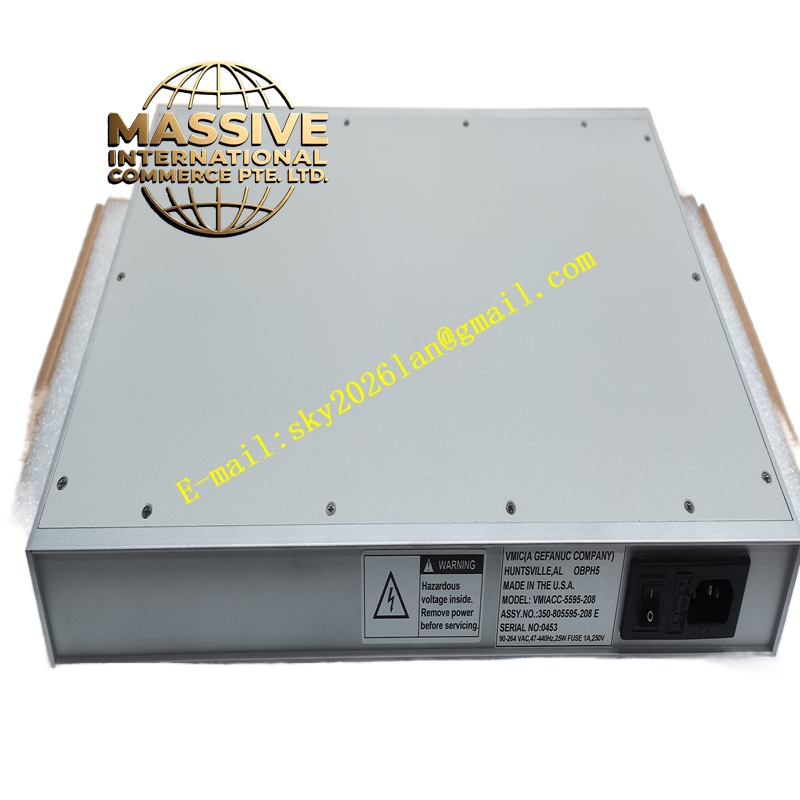
Description
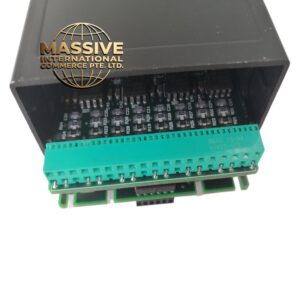
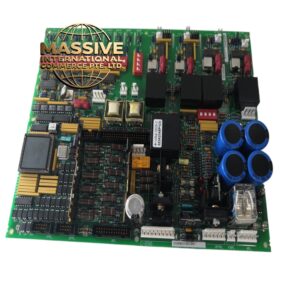
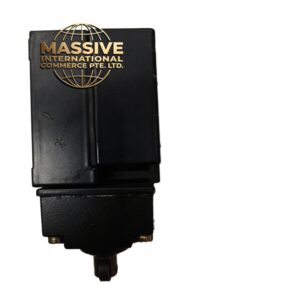
GE VMIACC-5595-208
- Technical Specifications:
- Function: Reflective memory hub with fiber interconnects
- Ports: Multiple fiber optic ports (specific count per variant; typically supports many nodes)
- Data rate: Typically high-speed serial fiber (e.g., 2.12/2.5 Gb/s; verify with datasheet)
- Form factor: Module suitable for rack mounting
- Compatibility: VMIC PCI/VME reflective memory node cards
- Functional Features:
- Ultra-low-latency data propagation across all connected nodes
- Deterministic transfer suitable for real-time simulation, control, and test systems
- No operating system overhead on data paths; reads/writes to local memory appear on all nodes automatically
- Fiber isolation increases EMI immunity and link distance
- Application Scenarios:
- Hardware-in-the-loop (HIL) test rigs
- Real-time simulators for power plants, turbines, and aerospace
- High-availability distributed control clusters requiring shared state
- Performance Parameters:
- Sub-microsecond latency typical; sustained throughput bounded by link speed and memory bandwidth
- Material and Structural Characteristics:
- Rugged metal enclosure with front-panel fiber optic connectors and status LEDs
- Internal high-speed backplane and buffer memory
- Working Principle: Each write to the reflective memory range is forwarded to the hub and broadcast to all other nodes; reads are serviced from local memory copy. This creates a mirrored memory region with very low access latency and no software protocol.
- Installation Requirements:
- Mount in a control rack; connect multimode or single-mode fiber cables per port type and distance
- Ensure proper fiber cleaning and connector seating
- Configure any node ID or address settings if applicable (depends on node card configuration)
- Usage Notes:
- Use matched fiber types and cable grades across all ports to avoid performance degradation
- Allow ample bend radius for fiber; avoid sharp bends or tension
- Monitor hub status LEDs for link integrity and errors