


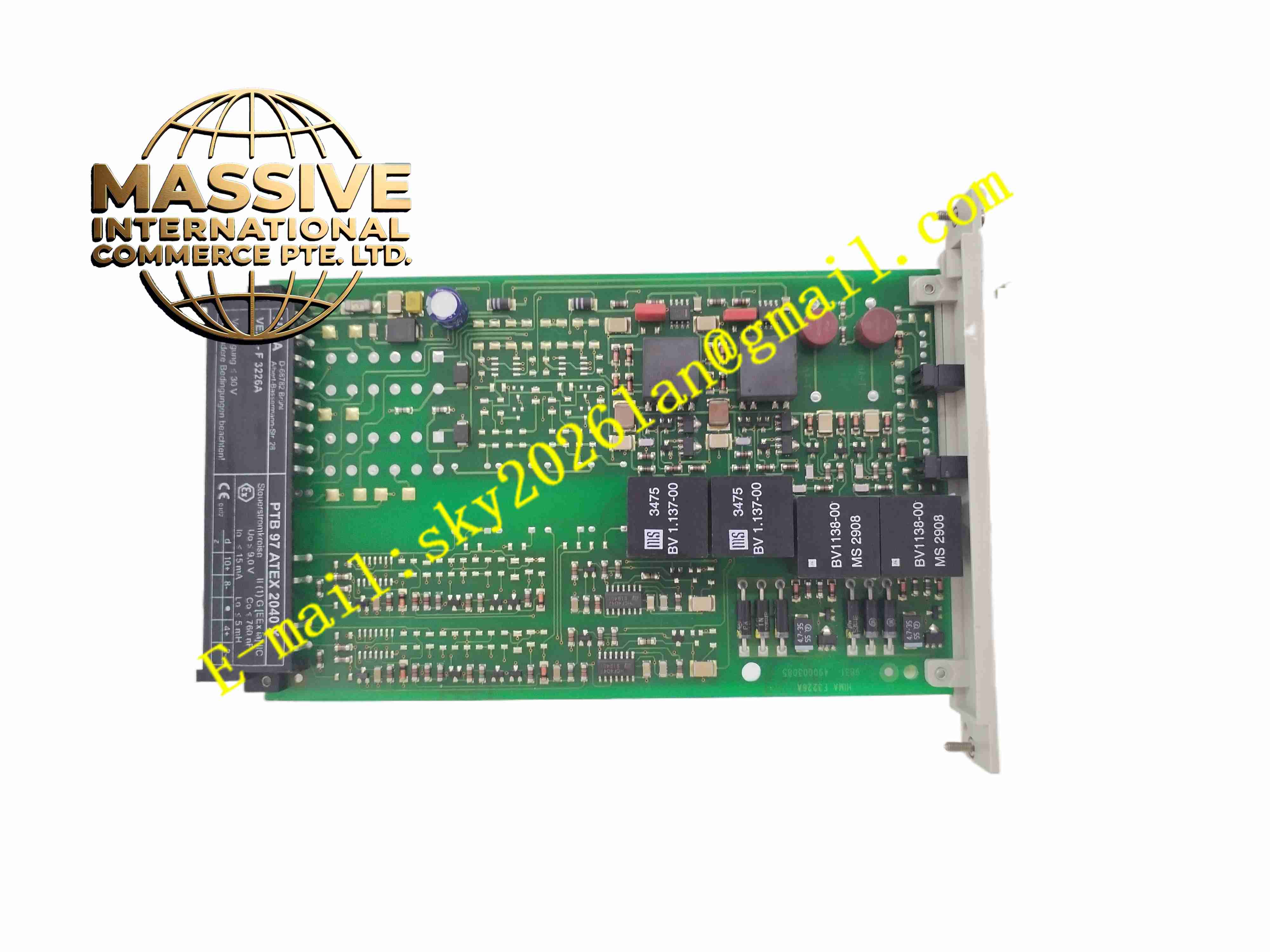
Description
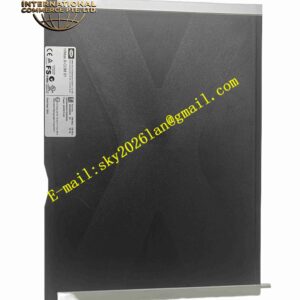
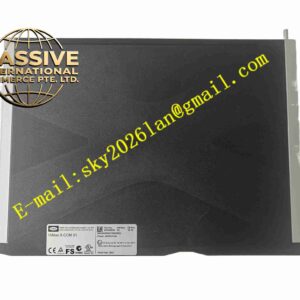
HIMA F3226A Safety Controller Module
Technical Specifications
- Brand: HIMA
- Model: F3226A
- Product Type: Safety controller module
- System Platform: HIMA safety instrumented system
- Architecture: Triple Modular Redundancy capable architecture
- Processor Configuration: Multiple synchronized processor channels for redundant execution
- Safety Rating: IEC 61508 SIL 3, with suitability for high-integrity safety applications
- Memory Configuration: Flash and RAM memory for operating system, user program, and data storage
- Communication Support: System backplane communication and industrial network interfaces depending on configuration
- Power Supply: 24 VDC system power through HIMA rack or power distribution module
- Operating Temperature: Industrial indoor environment, typically within HIMA system specifications
- Certification: Complies with IEC 61508 and related functional safety standards
Functional Features
- Triple Modular Redundancy: Uses three independent processor channels to maintain safe operation even if one or two channels fail.
- High Safety Integrity: Meets SIL 3 requirements for safety-critical process control.
- Real-Time Processing: Executes safety logic with deterministic response times.
- Redundancy Management: Automatically manages channel voting, fault isolation, and system recovery.
- Diagnostic Coverage: Provides continuous self-diagnosis for processors, memory, communication, and I/O paths.
- Network Integration: Supports connection to host systems, engineering tools, and industrial networks.
- Programmable Safety Logic: Allows configuration of safety interlocks, shutdown sequences, and alarm handling.
- High Availability: Maintains process operation during single or multiple component faults.
Application Scenarios
- Emergency shutdown systems in oil and gas plants
- Fire and gas detection and protection systems
- Burner management systems in power and process industries
- Chemical reactor protection and interlock systems
- Turbine and compressor safety control
- Pipeline and terminal safety systems
- Pharmaceutical and specialty chemical process safety
- Infrastructure and utility safety applications
Performance Parameters
- Processing Capability: High-speed execution of complex safety logic and algorithms.
- Redundancy Level: Triple modular redundancy for fault-tolerant operation.
- Safety Integrity Level: SIL 3 according to IEC 61508.
- Diagnostic Response: Continuous monitoring with fast fault detection.
- Communication Performance: Supports real-time data exchange with I/O modules and host systems.
- System Availability: Maintains safe operation during internal module faults.
Material Composition
- Controller Housing: Robust metal or industrial-grade enclosure for rack mounting.
- Processor Boards: Redundant microprocessor units with synchronized execution.
- Memory Modules: Flash and RAM for program storage, data retention, and diagnostics.
- Backplane Interface: High-reliability connector for system communication and power.
- Communication Interfaces: Ethernet, serial, or fieldbus interfaces depending on configuration.
- Protection Circuitry: Overvoltage, overcurrent, and thermal protection components.
- Status Indicators: LEDs for run, error, force, fault, and communication status.
Structural Features
- Rack-Mount Module Design: Installs into HIMA safety system chassis.
- Redundant Processor Slots: Supports triple-channel processing architecture.
- Front Panel Indicators: Provides clear visibility of module status and faults.
- Network Ports: Enables connection to engineering stations and host systems.
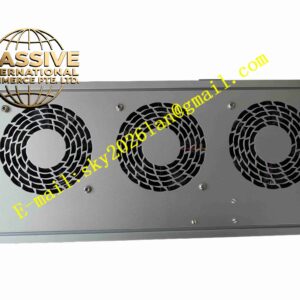
- Cooling Design: Supports adequate airflow within the safety rack.
- Serviceable Construction: Allows module replacement with minimal system disruption.
Working Principle
The F3226A executes safety programs across multiple synchronized processor channels. Each channel independently processes input data, evaluates safety logic, and calculates output commands. The results are compared through a voting mechanism to detect discrepancies caused by hardware faults or software errors. If a fault is identified, the affected channel is isolated while the remaining healthy channels continue safe operation. The controller continuously communicates with I/O modules, engineering tools, and host systems to maintain real-time process protection.
Installation Requirements
- Install only in compatible HIMA safety system racks.
- Ensure the rack power supply meets module requirements.
- Verify firmware compatibility with the safety project.
- Connect communication networks according to system design.
- Provide adequate ventilation and temperature control.
- Configure redundancy and voting parameters before commissioning.
- Perform functional testing after installation and configuration changes.
Precautions for Use
- Do not operate the module outside its specified environmental limits.
- Do not modify safety logic without proper change management.
- Avoid removing the module during active safety operation unless permitted.
- Verify network settings and IP addresses before integration.
- Keep safety project backups before maintenance or upgrades.
- Replace failed modules with the same model and firmware version.
- Only certified safety engineers should configure or maintain the system.