


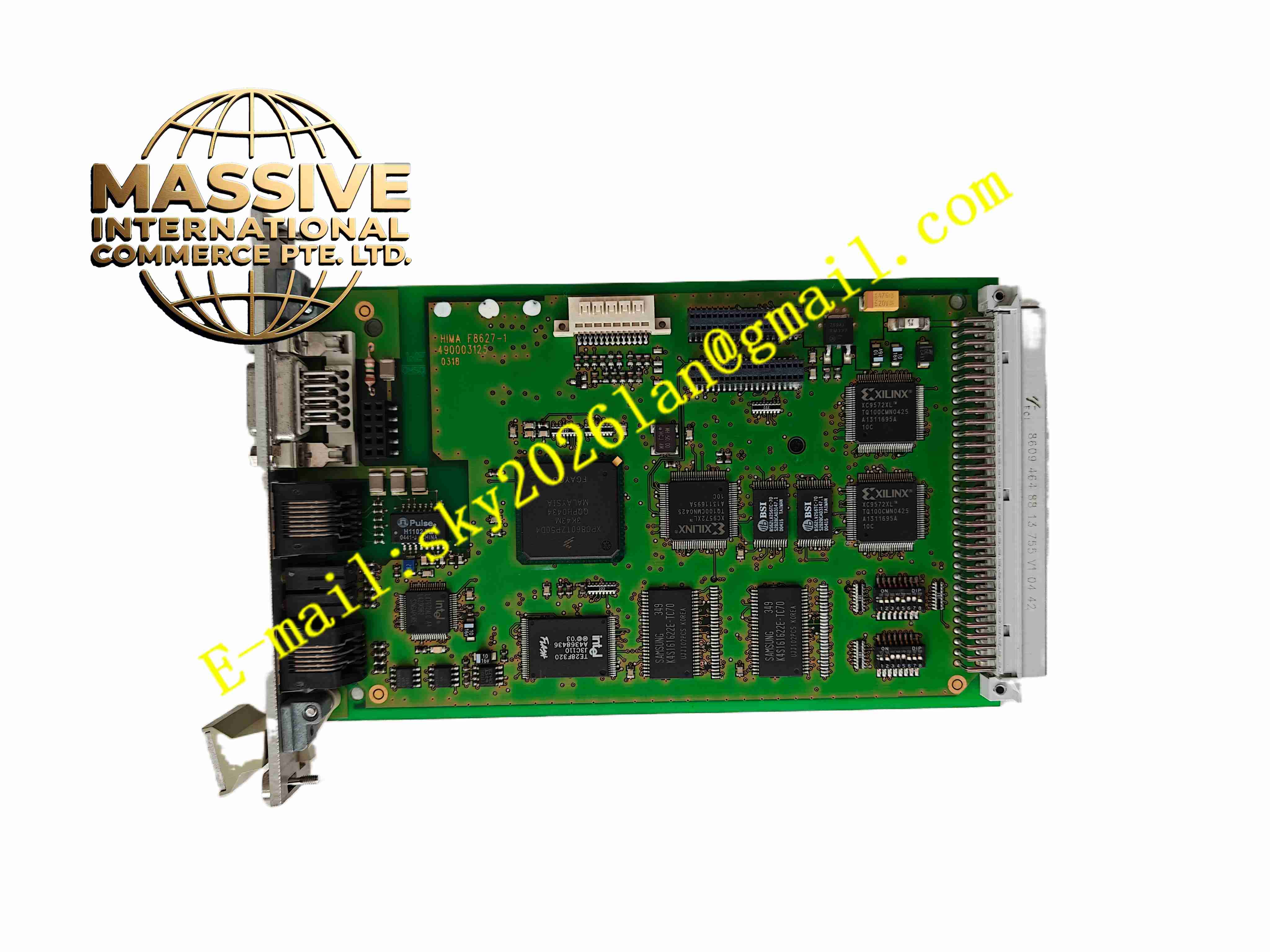
Description
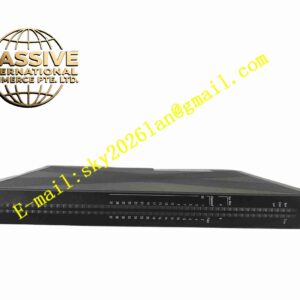
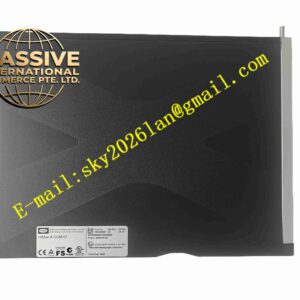
HIMA F8627 Communication / Processor Module
Technical Specifications
- Brand: HIMA
- Model: F8627
- Product Type: Communication module / processor module
- System Platform: HIMA safety instrumented system
- Processing Function: Supports data processing and communication within the safety system
- Communication Function: Enables connection to controllers, I/O modules, or external networks
- Interface Options: May include Ethernet, serial, or fieldbus interfaces depending on version
- Protocol Support: May support Modbus, Profibus, Ethernet-based protocols, or other industrial protocols
- Power Supply: Supplied via HIMA system rack or power distribution module
- Mounting Type: Rack-mounted module
- Environmental Suitability: Indoor industrial control cabinets
Functional Features
- System Coordination: Supports communication and data processing within HIMA safety systems.
- Network Integration: Connects safety controllers to host systems or field networks.
- Diagnostic Monitoring: Provides status feedback for communication and module health.
- Safety System Compatibility: Operates as part of HIMA safety architectures.
- Configurable Communication: Supports protocol and address settings according to system design.
- Industrial Durability: Designed for continuous operation in process safety environments.
- Modular Maintenance: Allows replacement without replacing the entire safety system.
Application Scenarios
- Emergency shutdown systems
- Fire and gas detection systems
- Burner management systems
- Chemical process safety systems
- Oil and gas production facilities
- Power generation and utility safety systems
- Pipeline and terminal automation
- Industrial process interlock and monitoring systems
Performance Parameters
- Communication Stability: Provides reliable data exchange within supported configurations.
- Processing Support: Assists with data handling and system coordination.
- Diagnostic Coverage: Supports fault detection and status reporting.
- Integration Flexibility: Compatible with HIMA controllers and industrial networks.
- Operating Life: Designed for long-term industrial service.
- Environmental Suitability: Suitable for indoor industrial control rooms.
Material Composition
- Module Housing: Industrial-grade enclosure for mechanical and electrical protection.
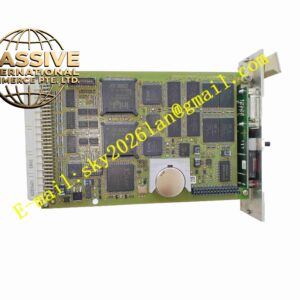
- PCB: High-reliability printed circuit board with processing and communication circuits.
- Processor Circuit: Microprocessor or communication processor for system tasks.
- Communication Interface: Ethernet, serial, or fieldbus interface components.
- Protection Components: Overvoltage, overcurrent, and transient suppression devices.
- Status Indicators: LEDs for power, operation, communication, and fault status.
Structural Features
- Rack-Mount Design: Installs into HIMA system chassis.
- Front Panel Interfaces: Provides access to communication and configuration ports.
- Status LEDs: Displays module operating condition and faults.
- Compact Industrial Layout: Fits standard HIMA system slots.
- Shielded Construction: Helps reduce electromagnetic interference.
- Serviceable Design: Supports maintenance and replacement.
Working Principle
The F8627 processes and exchanges data between the HIMA safety system and connected devices or networks. It receives input data, executes communication or processing tasks, and forwards validated information to the safety controller or external systems. The module continuously monitors communication links, internal circuits, and data integrity. If a fault is detected, it reports the condition to the safety controller so that alarms, diagnostics, or safety responses can be executed according to the configured logic.
Installation Requirements
- Verify compatibility with the HIMA system before installation.
- Install in a dry, clean, and well-ventilated control cabinet.
- Ensure the rack power supply meets module requirements.
- Connect communication cables according to the system design.
- Use proper grounding and shielding for network or serial interfaces.
- Configure communication parameters before commissioning.
- Perform functional testing after installation.