


Description
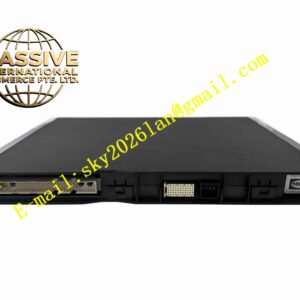
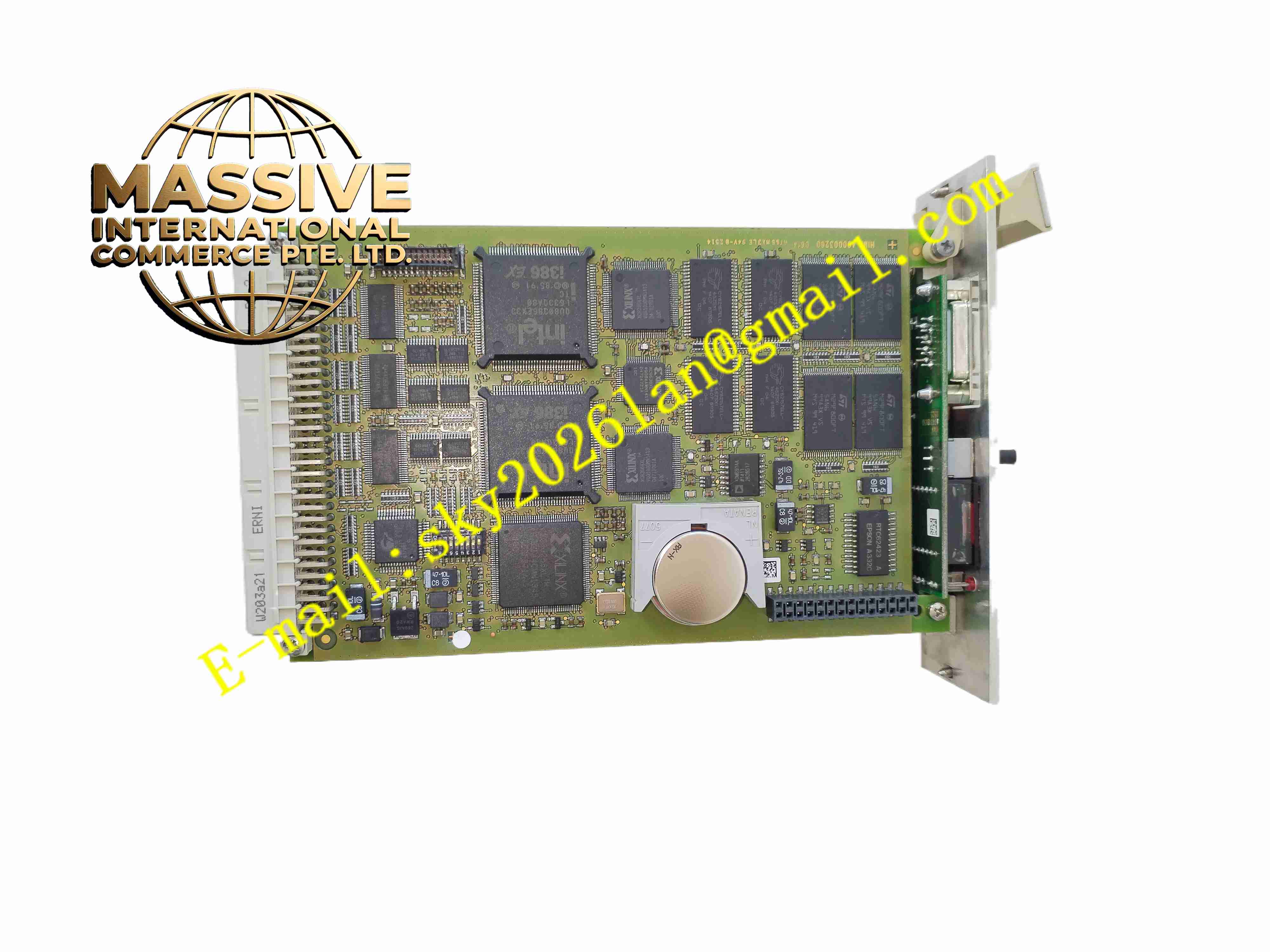
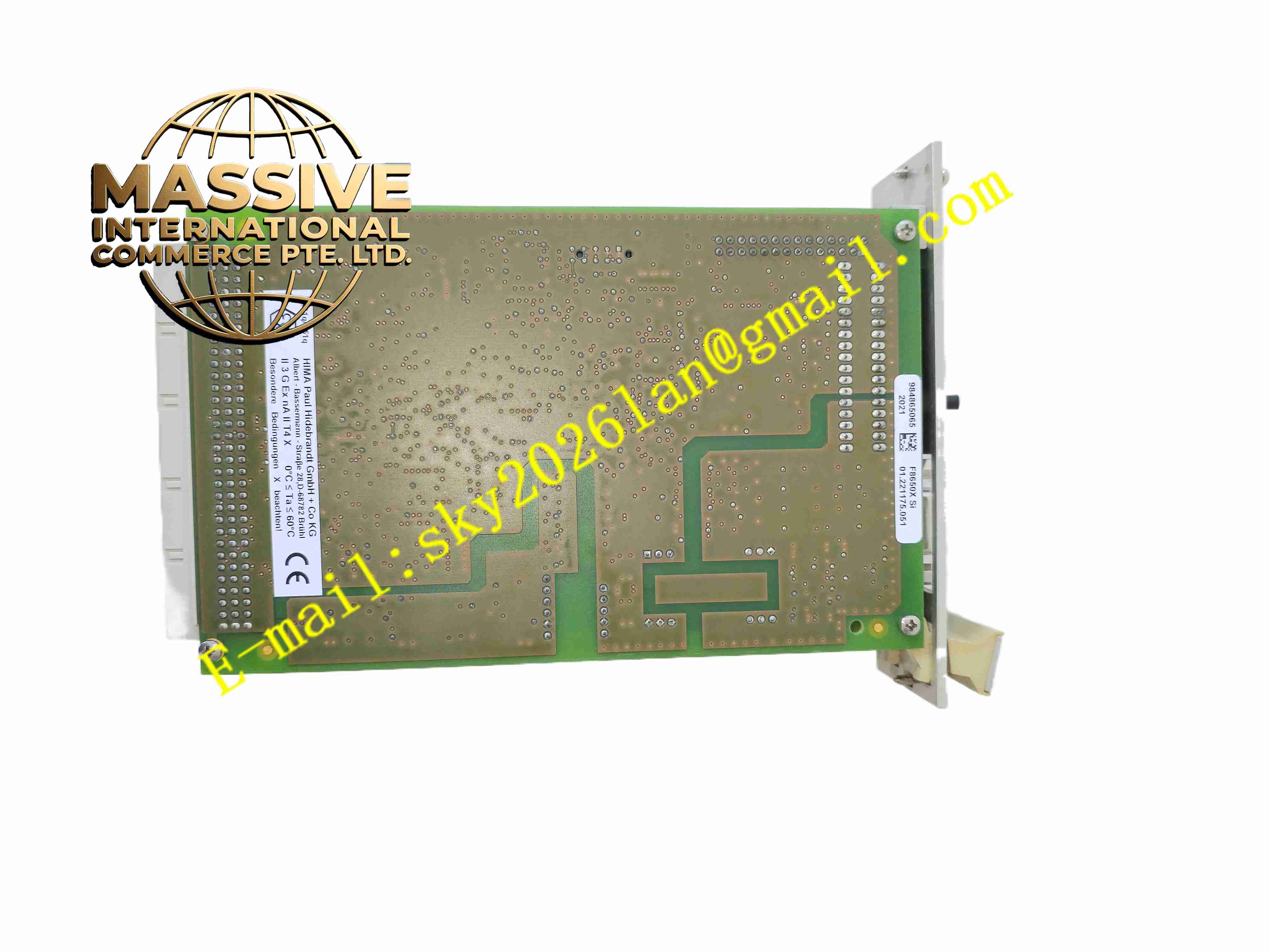
HIMA F8650X
Technical Specifications:
- Power Supply: 24 VDC, 18 VDC to 32 VDC
- Processor: Dual 25 MHz microprocessors
- Memory: 1 MB flash EPROM, 1 MB SRAM
- Communication Interfaces: Dual RS485 ports, redundant Ethernet
- Operating Temperature: -20 °C to +70 °C
- Storage Temperature: -40 °C to +85 °C
- Safety Certification: IEC 61508 SIL3, Category 4, TÜV certified
- Backplane Bus: HIQuad X high-speed internal safety bus
Function Features:
- Dual synchronous processor operation with inverted memory storage for fault detection
- Hardware comparator monitors all data access of both processors continuously
- Redundant hot standby function for non-stop safety system operation
- Independent watchdog circuit to trigger safe state on processor malfunction
- Cyclic self-test for memory, bus and internal electronic circuits
- Storage of event logs, fault records and safety trip history
- Support hot swap of redundant CPU without safety system shutdown
- Front panel LED indicators and 4-digit diagnostic code display
- Multiple protocol support for data exchange with DCS and HMI
Application Scenarios:
- Refinery emergency shutdown systems
- Petrochemical plant burner management systems
- Offshore oil and gas platform safety systems
- Power plant gas turbine protection systems
- High-risk chemical process safety interlock systems
Material Composition:
- Main PCB: Multilayer FR4 fiberglass board with conformal coating
- Core Components: Dual industrial microprocessors, flash memory, SRAM chips
- Communication Chips: Isolated RS485 transceivers and Ethernet controllers
- Front Panel: Flame retardant plastic with display window and LED indicators
- Connectors: Gold-plated edge connector for rack backplane
- Passive Components: High temperature resistors, capacitors and surge suppression diodes
Structural Features:
- Eurocard plug-in card form factor for HIQuad X rack
- Front panel with diagnostic code display and status LED indicators
- Rear gold-plated edge connector for power, internal safety bus and communication
- Internal metal shielding for electromagnetic interference suppression
- Plastic locking latch for easy insertion and extraction
- Isolated circuit partitioning between safety logic and communication circuits
Working Principle: Two microprocessors run identical safety program, while one processor stores normal data and the other stores inverted data. Hardware comparator compares output results of both processors in every cycle. Any mismatch indicates hardware fault and triggers safety trip logic. The module collects process data from I/O modules via internal backplane bus and executes safety interlock logic. Redundant CPU pair monitors each other continuously. When primary CPU fails, standby CPU takes over all safety tasks without interruption. All fault and trip events are stored in non-volatile memory.
Installation Requirements:
- Install F8650X module into HIQuad X rack designated CPU slot
- Wear anti-static wristband during module handling
- Use shielded twisted pair cables for RS485 fieldbus
- Use shielded Ethernet cables for upper system communication
- Implement reliable protective earth for safety rack
- Maintain cabinet ventilation and temperature control
- Separate safety communication cables from high power cables
Usage Notes:
- Download validated safety program and complete configuration before commissioning
- Execute full safety proof test after module replacement
- Backup program and configuration to external storage media
- Never modify safety logic without safety review and approval
- Disconnect rack power before removing module unless hot swap is required
- Read front panel diagnostic codes to locate faults during system anomalies