


Description
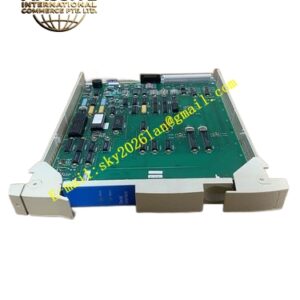
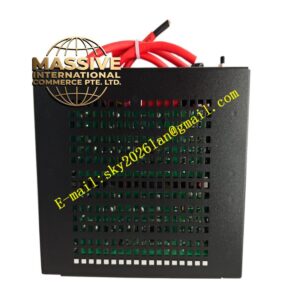
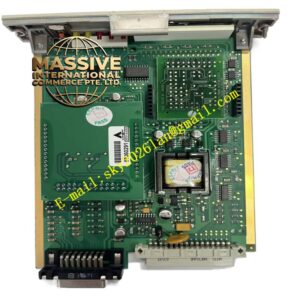
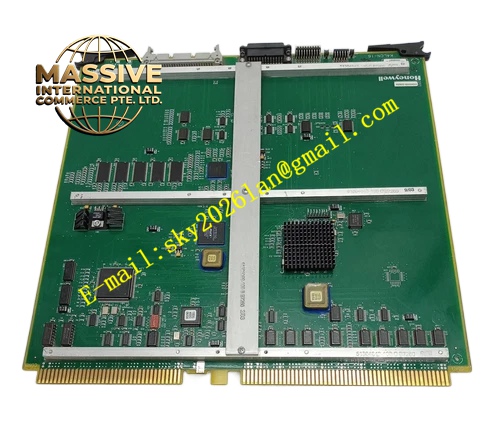
Honeywell 51403519-160 K4LCN-16
Technical Specifications Main CPU Motorola 68040; on-board memory 16MB; LCN bus speed 5Mbps; backplane operating supply 5VDC; on-board ECC memory protection; hardware watchdog timer; operating temperature 0℃ to 60℃; storage temperature -40℃ to 85℃; humidity 5% to 95% non-condensing; firmware loaded from on-board non-volatile memory; supports LCN global time synchronization.
Functional Features It runs the node operating system firmware and user applications resident on the LCN node. It receives, parses and transmits LCN network packets through the paired CLCN interface board. It performs ECC memory checking and corrects single-bit memory errors in real time. It maintains LCN wide time synchronization across all network nodes. The hardware watchdog resets the processor if program execution stalls. It performs comprehensive power-up self-test of CPU, memory and bus interfaces. It supports on-line firmware download for node maintenance.
Application Scenarios Core processor for TDC3000 NIM network interface manager nodes; Universal Station operator node CPU; History Module node computation board; replacement upgrade for older K2LCN processor cards in refinery TDC3000 racks; spare CPU for petrochemical TPS system maintenance.
Performance Parameters Processor clock rate delivers full LCN packet processing throughput for large process point counts; ECC correction latency is microsecond scale; watchdog timeout is fixed to prevent hung node; LCN packet forwarding delay is deterministic for real time control.
Material Composition Multi-layer FR4 high speed PCB with G3 conformal coating; gold plated backplane edge connector; industrial wide temperature memory and logic chips; aluminum heat spreader over the main CPU; cold rolled steel front panel with anti-corrosion coating.
Structural Characteristics Standard TDC3000 long-format vertical plug-in card; front panel includes power, run, LCN communication and fault LED indicators; elastic locking latches on both sides; on-board configuration DIP switches for node address setting; passive convection cooling without fan.
Working Principle After power on, the K4LCN-16 loads its operating firmware from non-volatile memory and runs power-up self-tests. It continuously receives LCN network frames from the CLCN interface board, parses packet headers and dispatches messages to resident node applications. It assembles outgoing packets and forwards them through the CLCN board to the LCN coaxial trunk. The ECC logic monitors memory content continuously. The watchdog circuit resets the board if firmware ceases responding.
Installation Requirements Insert vertically into the designated processor slot of a TDC3000 LCN node rack. Set the node address DIP switches to a unique value on the LCN network. Mate the backplane gold fingers firmly with the rack backplane connector. Maintain free airflow around the card slot. Cabinet grounding resistance must be ≤4Ω.
Usage Notes Verify firmware version matches the TPS system software release before commissioning. Do not install two nodes with identical LCN addresses on the same network. Wear anti-static wrist strap during insertion and extraction. Keep card slots dust free to maintain reliable backplane contact.