


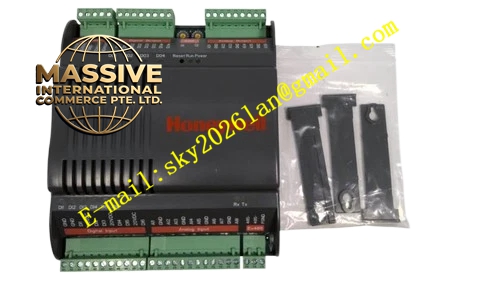
Description
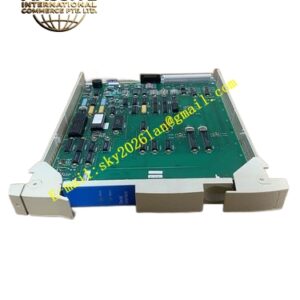
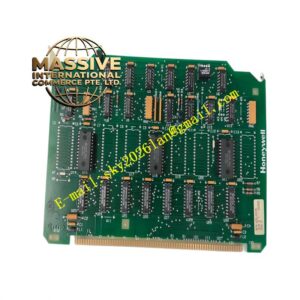
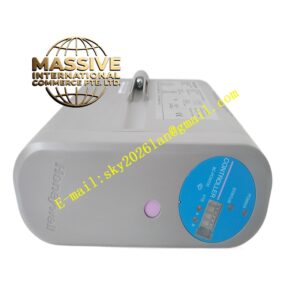
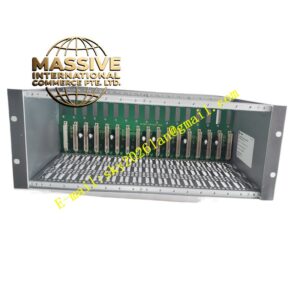
Honeywell CP-EXPIO
Technical Specifications
- Host Interface: Internal controller backplane bus
- Remote I/O Bus: Proprietary high speed differential serial bus
- Bus Isolation: 500V AC isolation between controller side and remote bus side
- Bus Baud Rate: Fixed high speed differential clock rate
- Maximum Remote Rack Quantity: Defined by system configuration
- Operating Temperature: -0°C to +60°C
- Power Supply: 24V DC or backplane 5V DC
- Diagnostic LED: Power, bus transmit, bus receive, fault indicator
Functional Features Differential bus driver with common mode noise rejection for long distance remote I/O wiring. Packet frame checksum verification for all remote I/O bus messages. Remote rack power and module health status collection and forwarding to host controller. Bus fault detection including cable break, termination resistor missing and bus collision. Bus communication watchdog triggers communication fault alarm when frame timeout occurs. Supports hot insertion of remote I/O racks under predefined system mode.
Application Scenarios Distributed remote I/O expansion for Honeywell CP controller Long distance field I/O rack connection for large process plant Building management system distributed I/O network Controller remote I/O communication fault replacement spare System capacity expansion adding new remote I/O racks
Performance Parameters
- Bus communication latency: Deterministic fixed scan interval
- Maximum bus cable length: Limited by cable type and baud rate
- Frame error rejection rate: 100% for checksum failure frames
- Bus fault report latency: Less than one scan cycle
Material Composition FR4 multilayer PCB, differential bus transceiver IC, protocol logic FPGA, optocoupler isolation components, TVS surge protection diodes, precision termination resistors, screw terminal bus connector, gold plated backplane edge connector, flame retardant plastic housing.
Structural Features Standard plug-in rack module form factor for CP controller main rack slot. Front panel equipped with power, TX, RX and fault LED indicators. Two screw terminals for differential remote bus wiring. Internal isolation barrier between controller backplane circuit and remote field bus circuit. Anti-keying notch to prevent reverse insertion into rack slot.
Working Principle Main controller sends I/O scan request through internal backplane bus to CP-EXPIO module. Onboard FPGA encapsulates request into differential bus frames and transmits to remote I/O racks. Remote I/O response frames are received, validated by checksum and parsed before sending measurement and status data back to controller. Bus monitoring circuit continuously checks signal integrity and termination condition. Loss of valid frames within timeout window triggers communication fault flag.
Installation Requirements Remote bus cable must be twisted pair differential cable. Install matching termination resistor at physical far end of remote bus trunk. Separate remote bus cable from high voltage power wiring. Verify bus node address setting on each remote I/O rack before commissioning. Ground module chassis to cabinet protective earth.
Usage Notes Bus A and B differential lines cannot be swapped, reversed wiring causes total communication failure. Do not tap multiple branches from main differential trunk bus. Surge transient on field bus can damage transceiver circuit without proper external surge protection. Bus termination resistor must not be duplicated at both ends of short stub branches.