



Description
Honeywell MU-TMCN02 51196094-100
Technical Specifications: Operating supply voltage: 5V DC from DCS backplane Working temperature range: 0℃ ~ +60℃ Storage temperature range: -40℃ ~ +85℃ Relative humidity: 5% to 95%, non-condensing Network interface: DCS proprietary control network interface Backplane interface: Honeywell TDC3000 standard chassis backplane connector Data transmission rate: DCS network fixed high-speed transmission rate Module slot form: Single slot plug-in installation Protection grade: IP20 for module body Vibration resistance: Comply with IEC60068-2-6 industrial vibration standard
Functional Features: Realize bidirectional high-speed data transmission among all nodes on TDC3000 control network. Complete data packet receiving, verification, parsing and forwarding automatically. Continuous monitoring of network communication quality and node online status. Built-in network fault diagnosis and fault code recording function. Support hot swapping operation under system normal running state. Isolation circuit to suppress electromagnetic interference on communication lines. Store network configuration parameters and retain configuration data after power off.
Application Scenarios: Thermal power plant DCS control rooms, petrochemical refining control systems, chemical process control, pharmaceutical continuous production control, oil and gas processing plant distributed control systems, pulp and paper mill process automation.
Performance Parameters: Data transmission latency: Fixed low latency for real-time process control. Maximum connected network nodes: Support full network node access matching TDC3000 system. Fault recording capacity: Store historical communication fault logs for maintenance analysis. Continuous running time: Support 24 hours uninterrupted long-term operation. Network recovery speed: Automatic network link recovery after temporary communication interruption.
Material Composition: Circuit substrate: FR-4 high temperature resistant glass fiber epoxy printed circuit board. Main electronic components: Industrial grade communication processing chip, memory chip, isolation optocoupler. Front panel: Black flame retardant ABS plastic with silk screen marking. Backplane connector: Gold plated copper alloy contact pins with anti-oxidation treatment. Solder: Lead-free industrial tin solder.
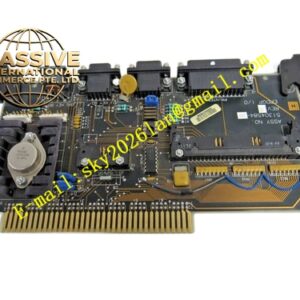
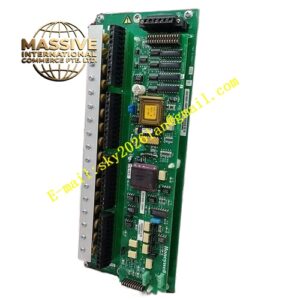
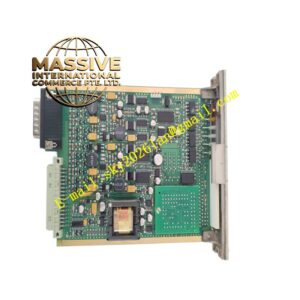
Structural Features: Standard single-slot rectangular plug-in board structure matching Honeywell DCS chassis. Front panel equipped with multiple LED indicator lights for power, network transmission and fault state. Internal circuit layout is divided into backplane power area, network signal processing area and memory storage area. Built-in mechanical locking buckle to fix module in chassis slot. Internal metal shielding layer to reduce electromagnetic crosstalk of high-speed signals.
Working Principle: The module obtains working power through DCS chassis backplane. It receives data packets sent by each node on the control network, verifies data integrity, parses target address information, then forwards valid data packets to the target DCS node. The module uploads field process data from controller to workstation, and transmits operator control commands downward to field controllers. The real-time network monitoring circuit judges link abnormality and records fault information once communication error occurs. All network configuration parameters are saved in on-board non-volatile memory.
Installation Requirements: Insert the module into the designated empty single slot of Honeywell TDC3000 DCS chassis. Lock the front panel mechanical buckle to ensure stable contact between backplane connector and chassis backplane. Complete network address configuration before system power on commissioning. Ensure the control cabinet is reliably connected to protective earth ground. Keep sufficient air circulation around chassis for heat dissipation. Separate network communication cables and high-power power cables in different cable ducts.
Usage Notes: Cut off the power supply of corresponding chassis slot only when non-hot-swap operation is needed. Do not touch gold-plated connector pins with bare hands to avoid static damage and oxidation. Prevent conductive dust, metal debris and liquid from entering module circuit area. Backup network configuration parameters before module replacement or parameter modification. Wear anti-static wristband during maintenance or module replacement. Regularly inspect LED status and connector tightness to prevent poor contact caused by long-term vibration.